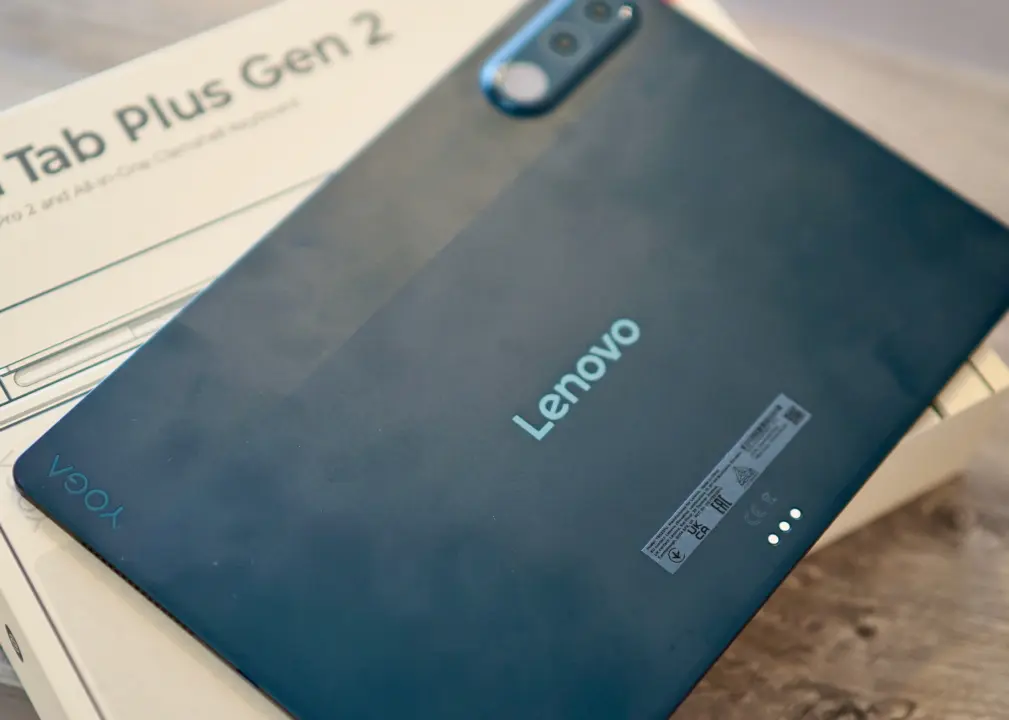
The way Lenovo is supporting the software on their new tablet is different. It's important because you don't need to switch to a new device every couple of years.
Lenovo promises seven years of software support for the new tablet
Lenovo has a 7 years update policy for the Yoga Tab Plus Gen 2. This is a really long time compared to the typical 3 or 4 years that a product lasts. The extended update policy means that you get the most out of your investment and maybe even less negative environmental effects due to replacing your device often.
The OS for the Yoga Tab Plus Gen 2 is Android. Lenovo promises new android updates until at least v. 24. This means that the tablet will be compatible with the latest apps and security for a large part of the next decade. So you should not need to switch the hardware by the early 2030s because it will still be working and safe to use.
Lenovo will support security updates until early 2033. So there's a specific date by which you can maintain your device. They are supporting the device with updates for 7 years.
This is longer than the 5 years that's the minimum for similar devices in the European union. The 7 year support policy is for the full lifetime of the tablet, starting from when the product is released. So you know what you're in for when you want to use it for the long term.
It is priced at US$ 799. This is how much it is now. This price tells you something about the long term value you're getting out of this.
The product is priced at US$ 799, with 7 years of software updates included. This is unique in the tablet market. So if you want to buy an Android tablet with long term software support then this price is interesting to know about for your decision making.
This announcement shows that Lenovo wants to support their products for a long time with updates. 7 years is the amount of updates Lenovo supports. This is in response to consumer interest in long term usability of devices. The updates for the Yoga Tab Plus Gen 2 are for 7 years. This is similar to the amount of support that's common for many smartphones.
Source: NotebookCheck


Discussion
0 comments