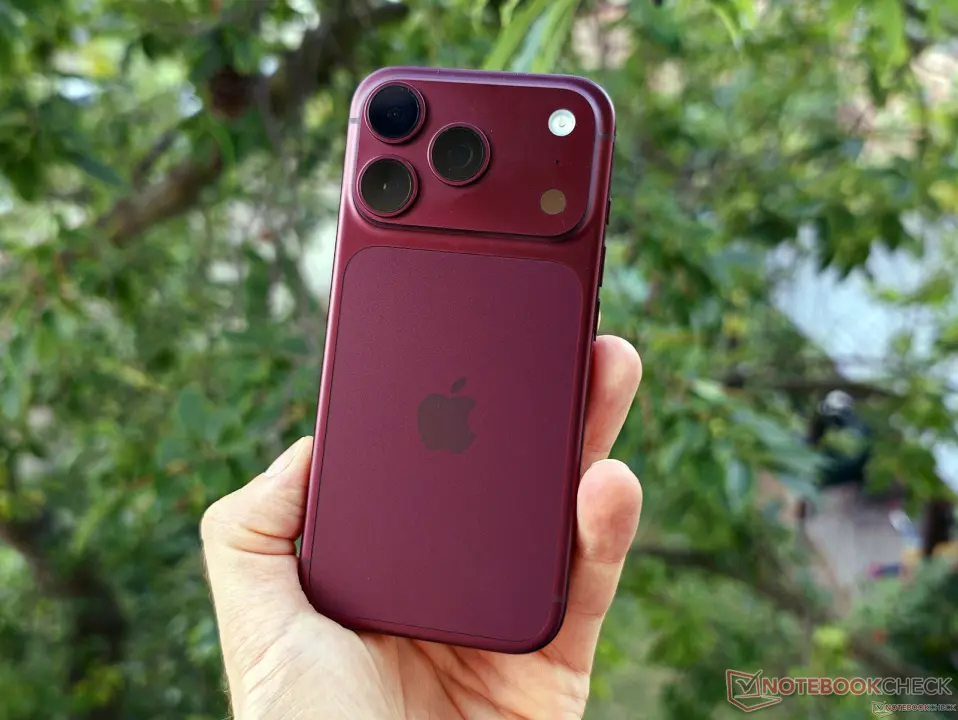
Apple is set to make a major design update to the 20th anniversary iPhone, the iPhone 20, by ditching the physical buttons and embracing a sleek all-screen design. This shift is significant as it points towards solid-state button implementations, which could change the way you interact with your iPhone. Prospective buyers looking for a minimalist design should be aware that the physical Action Button seen on recent iPhones is likely going to be obsolete.
Apple reportedly plans to remove the physical Action Button from the iPhone 20, merging it with the Camera Control key to create a flush, all-screen design using solid-state haptic feedback for all side buttons. The device is expected to launch in 2027 with a 6,000 mAh silicon-carbon battery and a new LOFIC camera sensor.
The iPhone 20 is set to launch in 2027, a two year jump from the iPhone 19 to mark the 20th anniversary of the first iPhone. Apple is looking to make this landmark a milestone release with an overhaul of their hardware with a focus on an all-screen design with a seamless display. This gives us insight that Apple is taking the time to address technical hurdles with a button-less device.
iPhone 20 Expected Specifications
- Battery Capacity: 6,000 mAh
- Display Type: Edge-to-edge quad-curved display
- Button Configuration: Solid-state buttons with haptic feedback; Action Button merged with Camera Control
- Camera Sensor: New LOFIC camera sensor
The iPhone 20 will feature a 6000mAh battery built using Silicon-Carbon technology and an edge to edge display that will curve at the edges in a quad-curved display. The power button, volume buttons, and Camera Control will feature haptic feedback to mimic travel but still lay flat on the device. Apple has reportedly solved problems with solid state button technology (project 'Bongo') to enable mass production of the technology.
In addition, Apple will introduce a new LOFIC sensor to improve dynamic range in difficult lighting conditions. The physical Action Button will be combined with the Camera Control button to streamline the sides of the device, but still allow for fast and easy access to the camera. All of these updates show a clear desire to reduce the number of moving parts and instead switch to digital feedback technology.
Source: NotebookCheck

Solid state buttons are the only way forward. Physical switches fail mechanically. This design simplifies the chassis and improves water resistance.
Will the haptic travel feel distinct enough to press by accident or will we lose tactile confirmation entirely on the volume rocker
Apple has spent years refining the Taptic Engine for this. The feedback loop is tuned to mimic mechanical travel without the physical actuator. It should feel precise once the driver calibration settles.
guess the action button is dead then 💀 merging it with camera control sounds confusing for quick access
I suspect the LOFIC sensor claims are overblown. Dynamic range improvements are marginal in real world lighting. The 6000 mAh battery is the only realistic gain here from the silicon carbon shift.
I really hope the quad curved edges are comfortable to hold. That 6000 mAh battery sounds amazing for long gaming sessions. Are we getting the new sensor in the base model too