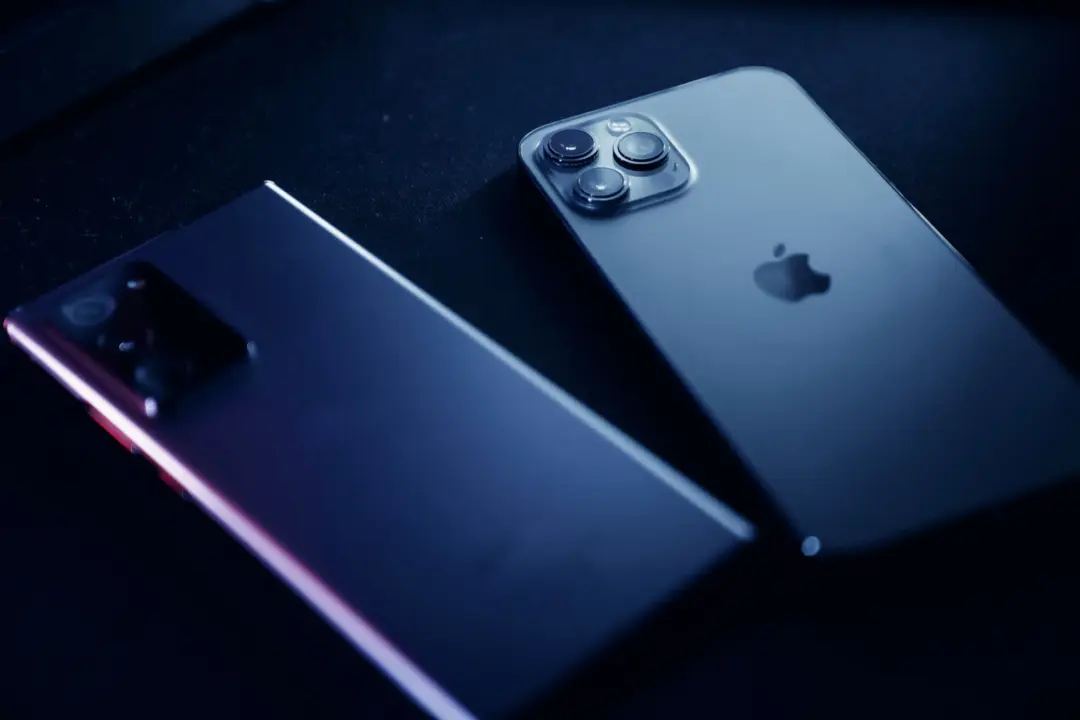
The global smartphone market hit a 14-year low in the third quarter of 2026, with total shipments dropping 20% compared to the previous year. This sharp contraction matters because it signals a significant shift in consumer spending and device replacement habits. Buyers are holding onto their phones longer, which puts pressure on manufacturers to innovate or lower prices to maintain volume.
Apple hits historic milestone as DRAM costs drive market contraction
Apple capitalized on this challenging environment by capturing a record 22% of the global market share during the quarter. This milestone marks the first time the company has surpassed the 20% threshold in a third quarter. Samsung remained the market leader with 23% share, but its unit sales declined relative to the prior year, indicating that even top players are feeling the strain.
The primary driver behind this market downturn is a DRAM crisis that has pushed average smartphone prices up by 20%. Higher component costs have made devices more expensive, particularly in the entry-level and mid-range segments. Xiaomi saw its sales drop by 30%, while Oppo and Vivo each declined by over 20% as consumers avoided these price-sensitive categories.
Despite the overall decline, demand for premium smartphones remained stable throughout the quarter. Consumers appear willing to spend more on high-end devices even as they extend their replacement cycles. This trend suggests that the market is polarizing, with buyers consolidating their spending into fewer, more expensive units rather than upgrading frequently.
Source: NotebookCheck
Discussion
0 comments