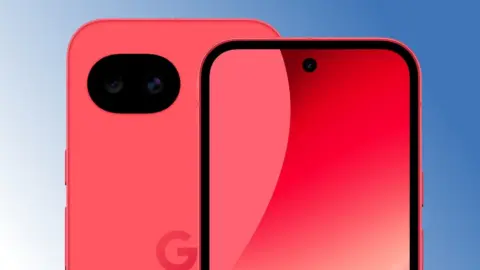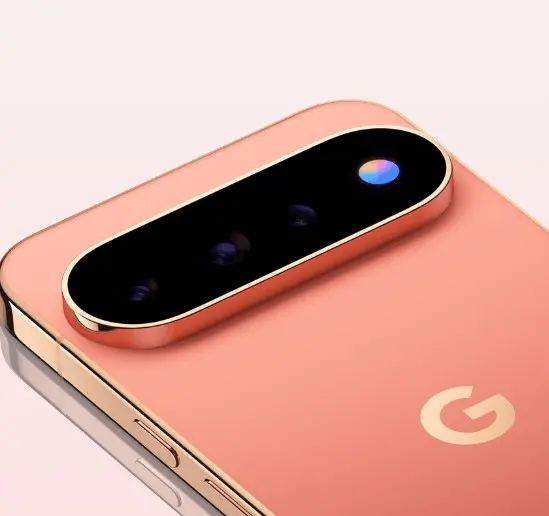
Google's upcoming Pixel 11 smartphone will lack a key security feature that privacy-focused Android users rely on. GrapheneOS, the hardened operating system fork, says it cannot support the new device because the Tensor G6 chip is missing hardware support for Memory Tagging Extension. This omission breaks a security standard that has been present in every Pixel phone since the Pixel 8 launched in 2023. Buyers who prioritize memory safety and secure enclaves will find the Pixel 11 incompatible with their preferred security stack.
Leaked documents reveal Google removed Memory Tagging Extension from Tensor G6
The core issue centers on the Tensor G6 processor, which Google codenamed Malibu. Leaked internal documents from Google's gChips team show that engineers originally planned to include Memory Tagging Extension in this chip. The feature was struck from the final specification before the device went to production. GrapheneOS developer Romashka searched the Pixel 11's bootloader for any trace of the feature and found nothing.
Memory Tagging Extension adds a layer of protection by marking memory regions with tags that the hardware checks during access. Implementing this feature typically requires about 3.125% of total memory capacity. The overhead comes from storing four bits of metadata for every 16 bytes of system memory. Enabling the feature in synchronous mode can slow down memory-heavy benchmarks by up to 6.64 times. Even in lighter modes, standard processor cores can experience slowdowns of up to 1.82 times.
GrapheneOS stated that it cannot properly support the new Pixel 11 series due to this hardware gap. The team suspects Google removed the feature to cut costs, though Google has not commented on the decision. To fill the void, GrapheneOS is working with Motorola on a future device called Wukong. This phone will use the Qualcomm Snapdragon 8 Elite Extreme Gen 6 chip, which includes full MTE support. We looked at the last Pixel 11 update earlier while tracking these security developments.
The Pixel 11 will launch without a critical security layer that previous models included by default. GrapheneOS users will need to stick with older Pixel hardware or wait for the Motorola Wukong device. Google has not explained why it dropped the feature from the Tensor G6 specification.
Source: NotebookCheck