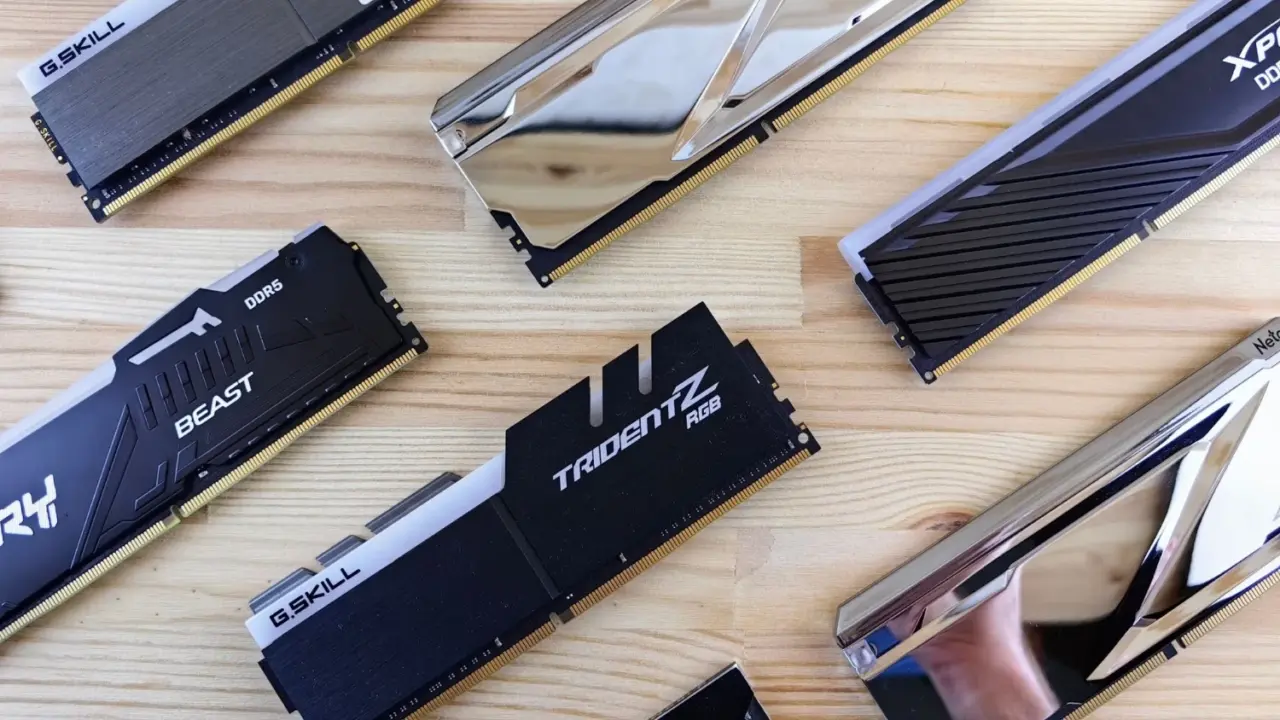
The global shortage of memory chips is tightening significantly, with reports indicating that all DRAM and High Bandwidth Memory (HBM) capacity for 2027 has already been allocated. This development matters to PC builders and tech buyers because it signals a prolonged squeeze on component availability that will likely extend into the next year. We are looking at a scenario where supply constraints could dictate production schedules for consumer electronics well beyond the current cycle.
AI demand drives long-term contracts that reduce consumer hardware supply
Samsung, alongside SK hynix and Micron, has reportedly sold out its entire output for the 2027 calendar year. The primary driver behind this aggressive allocation is the surging demand from artificial intelligence companies. These firms are competing for HBM, a specialized memory type essential for training large language models and running AI workloads. The competition has become so intense that some industry observers describe AI firms as "begging" for supply, according to a report by DigiTimes.
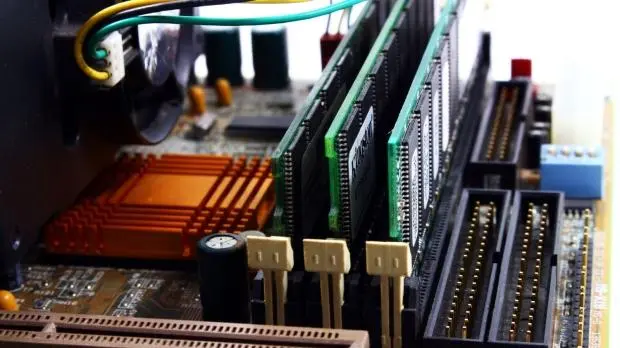
The technical reality is that hyperscalers and AI startups are securing long-term agreements (LTAs) that stretch up to five years. These contracts lock in capacity at premium prices, effectively removing that inventory from the open market. This practice prioritizes high-margin AI infrastructure over standard consumer memory modules. Consequently, the volume of DRAM available for general computing devices is expected to drop significantly compared to 2026 levels.
Consumer hardware manufacturers face a difficult choice as they plan their 2027 product lines. The reduction in available DRAM means that PC, laptop, and smartphone makers may need to reduce unit counts or adjust configurations. NAND flash memory for SSDs is also facing similar constraints, with reports suggesting that capacity will be fully booked by the end of August 2026. This dual squeeze on both DRAM and NAND creates a complex supply environment for device makers.
We are tracking these supply chain shifts closely as they impact the practical availability of hardware components. The current trend suggests that securing memory inventory will become a critical strategic priority for electronics manufacturers. Buyers should anticipate potential delays or reduced stock for new devices as the industry navigates this tight market. The focus remains on how long these allocation patterns will persist into the future.
Source: TweakTown