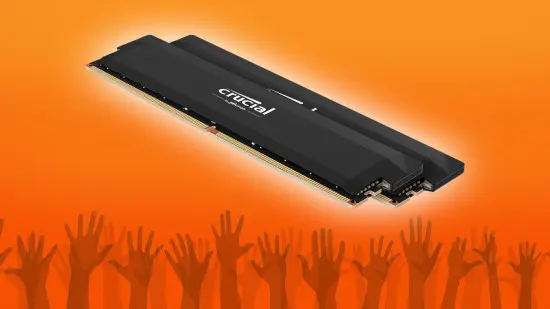
Micron's latest earnings report signals that PC RAM prices will remain elevated for the foreseeable future, a development that directly impacts builders and upgraders facing higher component costs. The company reported record revenue and profits for its third quarter, driven by strong demand that has outpaced available supply. This financial performance highlights the current imbalance in the memory market, where consumer and enterprise demand continues to strain production capabilities.
Long-term contracts lock in elevated memory costs for five years
The core of this pricing pressure stems from new long-term contracts Micron signed with sixteen strategic customers. These agreements lock in both floor and ceiling prices for memory modules for a period of five years. By securing these terms, Micron aims to stabilize revenue streams while ensuring customers have guaranteed access to supply during tight market conditions. This structural shift moves the industry away from volatile spot pricing toward more predictable, albeit higher, long-term costs.
CEO Sanjay Mehrotra stated that supply shortages in memory and storage will take considerable time to improve. He described the supply chain as structurally constrained, noting that the company's efforts to build new chip fabs have not yet been sufficient to meet industry demand. This constraint means that production capacity remains a bottleneck, preventing a rapid return to lower price levels that characterized earlier market periods.
Micron expects industry supply to improve gradually in 2028, but the company currently lacks visibility on when supply will fully catch up with demand. This timeline suggests that the high-price environment will persist for several more years before any significant relief arrives. Buyers looking to upgrade storage or memory should anticipate that costs will remain high until production capacity expands enough to absorb current demand levels.
Source: PCGAMESN