SanDisk has moved its experimental 3D Matrix Memory technology from the lab bench to standard manufacturing lines. This shift matters because it proves the company can produce prototype chips on the same 300-mm silicon wafers used for mainstream memory. Readers interested in next-generation storage should watch this development, as it targets a significant gap between expensive DRAM and slower flash memory.
Prototype chips on standard wafers aim for 4x capacity and lower price
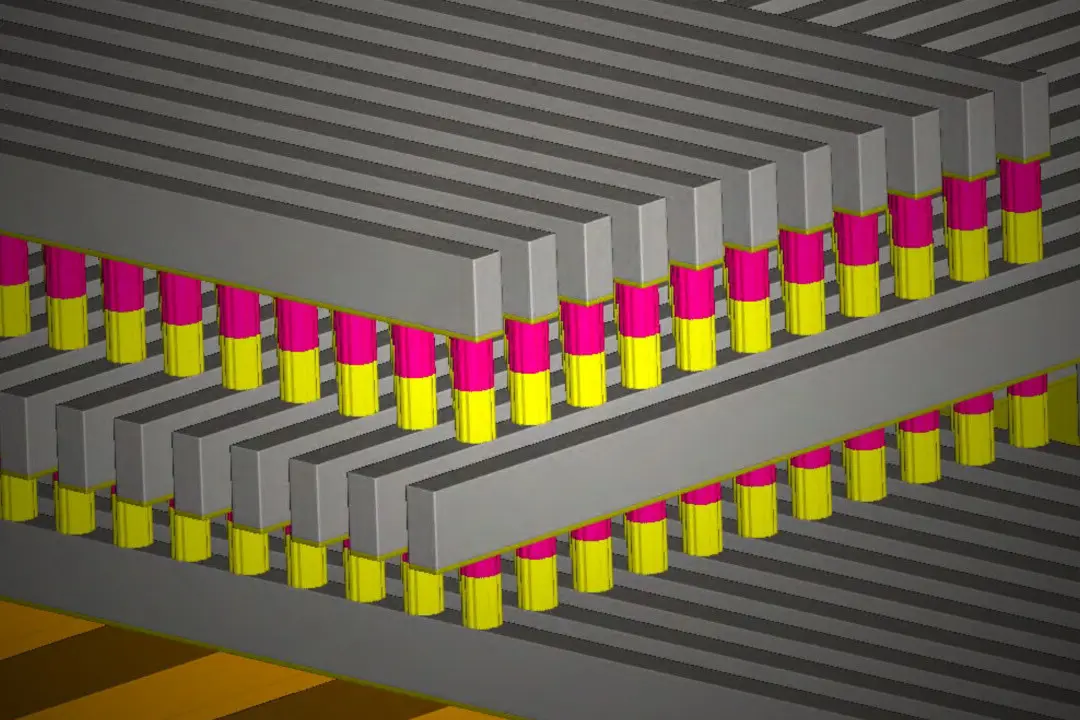
The product in question is 3D Matrix Memory, a new class of storage technology designed to bridge the performance and capacity divide. SanDisk aims to deliver speeds similar to traditional DRAM while offering up to four times the storage capacity. This approach could eventually provide a more cost-effective alternative for high-performance computing tasks that currently rely heavily on expensive memory modules.
- Technology: 3D Matrix Memory
- Manufacturing Process: Standard 300-mm silicon wafers
- Capacity: Several gigabits
- Performance Target: Approaching DRAM specifications
- Cost Target: Half the cost per bit of DRAM
Current prototypes are already capable of storing several gigabits of data. The performance of these early chips is approaching the specifications planned for the final product. SanDisk plans to cut the cost per bit by half compared with traditional DRAM. These targets suggest a technology that is both faster and cheaper than existing high-end memory solutions.
SanDisk CTO Alper Ilkbahar confirmed that the project is moving forward but emphasized it remains a long-term initiative. He stated that the company will continue to keep users updated on progress as development continues. The technology is not yet ready for commercial launch, and it may be quite some time before it reaches the market. SanDisk is also developing High Bandwidth Flash, which is closer to commercialization than the 3D Matrix Memory prototype.
The company has not provided a specific release date for 3D Matrix Memory. The focus remains on refining the technology to meet its ambitious performance and cost targets. Until a commercial product is announced, the technology remains an experimental milestone rather than a purchasable component.
Source: NotebookCheck