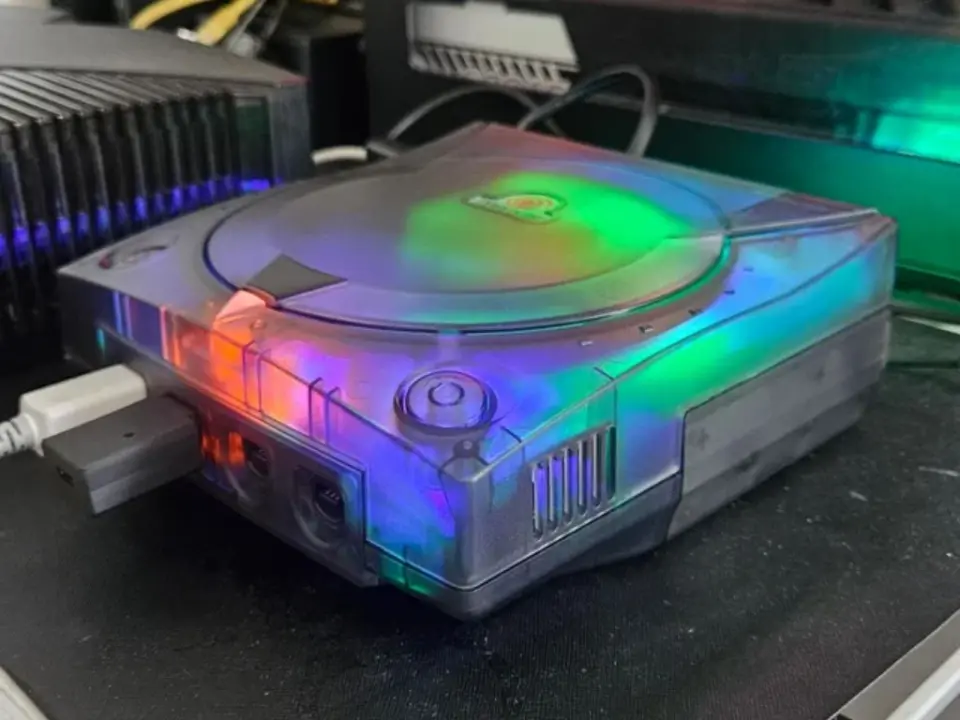
The MiSTer FPGA community has expanded its retro gaming library with DreamSTer, a new hybrid emulator that brings Sega Dreamcast titles to the platform. This update matters because it offers a different technical approach to emulation on the DE10-Nano hardware, potentially providing better performance than previous attempts for compatible games. Users interested in playing classic Dreamcast discs on FPGA hardware now have a new, albeit experimental, option to test.
New hybrid emulator targets Sega Dreamcast on DE10-Nano hardware
DreamSTer was introduced by developer skmp, who previously worked on the Reicast Dreamcast emulator. The project integrates directly into the MiSTer FPGA scene, which runs on the DE10-Nano board. The DE10-Nano board provides the hardware foundation for the emulation, enabling users to run various retro console cores. The new emulator targets the specific architecture of the Dreamcast console.
The emulator uses a hybrid setup that pairs polly2-rtl with minicast to handle processing. This architecture splits the workload between the DE10-Nano’s onboard ARM processor and a custom FPGA recreation of the Sega Dreamcast’s PowerVR2 graphics chip. By splitting the processing workload between the DE10-Nano's onboard ARM processor and a custom FPGA recreation of the PowerVR2 graphics chip, the project aims to replicate the original console's behavior more accurately. This technical split is the core of the DreamSTer design.
The latest r1 pre-release, published on July 17, shows significant performance improvements over the past week according to community updates. However, compatibility remains limited to a small number of Dreamcast titles, and performance is inconsistent across them. Users must launch DreamSTer manually rather than using the official MiSTer menu, which adds a step to the workflow. HDMI output reportedly fails to work for many users in this testing phase.
We looked at the last MiSTer FPGA update earlier while tracking platform changes, and similar stability themes often appear with new cores. DreamSTer currently requires manual BIOS and game image imports to function. The project is in a pre-release state, meaning it is not yet ready for general daily use. Users should expect to troubleshoot compatibility and display issues as the code matures.
DreamSTer represents an active development effort to bring Dreamcast emulation to the MiSTer FPGA platform. The project relies on a hybrid CPU and GPU architecture to handle the complex processing requirements. Current limitations include manual launching procedures and reported HDMI output failures. The emulator is available for testing but is not yet stable for all titles.
Source: NotebookCheck