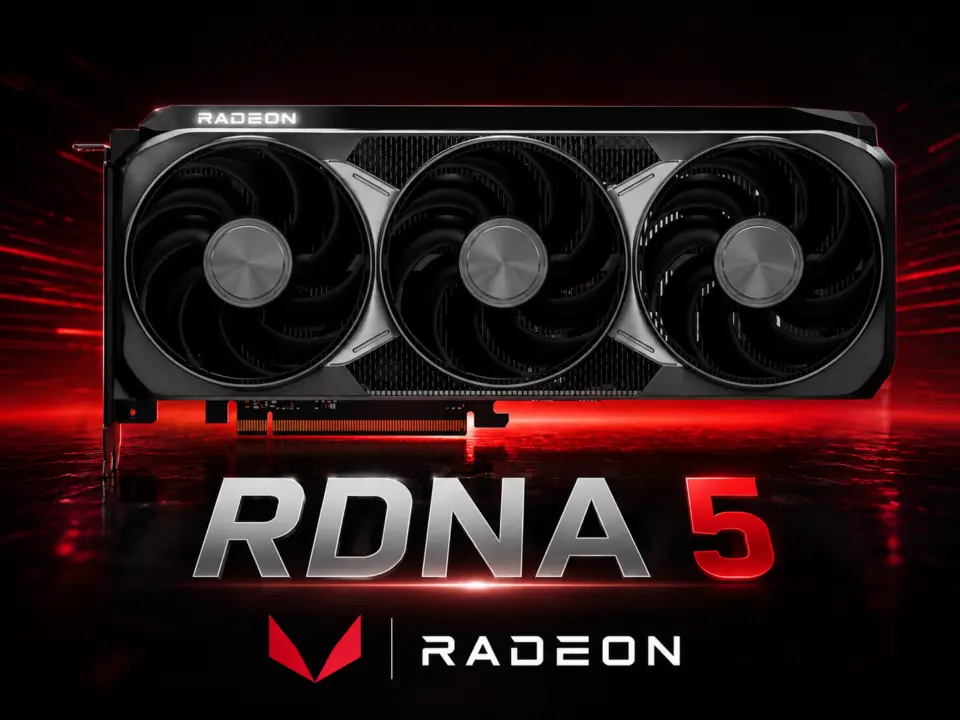
AMD is preparing to launch its next-generation Radeon RX 10000 series desktop graphics cards, built on the new RDNA 5 architecture. This shift matters because the company aims to close the performance gap with Nvidia in both rasterization and ray tracing. Buyers looking for high-end gaming hardware should watch for these rumored specifications before making purchasing decisions.
Rumored specs show AMD targeting Nvidia RTX 50 series performance with new architecture
The upcoming lineup includes several distinct SKUs, each targeting a specific segment of the market. The flagship Radeon RX 10090 XT will utilize the full AT0 die, while mid-range and entry-level options like the RX 10070 XT and RX 10050 XT use cut-down variants. This tiered approach allows AMD to cover a wide range of price points and performance expectations.
- GPU Architecture: RDNA 5 (AT series)
- Manufacturing Node: TSMC N3P
- Flagship SKU: Radeon RX 10090 XT (AT0)
- Flagship CU Count: 96 Compute Units
- Flagship VRAM: 24-36 GB GDDR7
Technical details reveal a move to TSMC's N3P manufacturing node for improved efficiency. The flagship RX 10090 XT is rumored to pack 96 Compute Units and up to 36 GB of GDDR7 VRAM. Meanwhile, the entry-level RX 10050 XT will surprisingly use 12-16 GB of LPDDR5X memory, a departure from standard desktop GPU designs.
Performance targets suggest significant gains, particularly in ray tracing workloads. The RX 10070 XT aims to match the raster performance of the GeForce RTX 5080, while the flagship approaches RTX 5090 levels. Pricing rumors place the top-tier card between $1,000 and $1,200, with lower tiers starting around $300.
These details come from industry leakers and remain unconfirmed until AMD provides official specifications. The use of LPDDR5X on a desktop card raises questions about power and thermal management that have not yet been addressed. We will wait for official announcements to verify these claims and assess the final product lineup.
Source: NotebookCheck