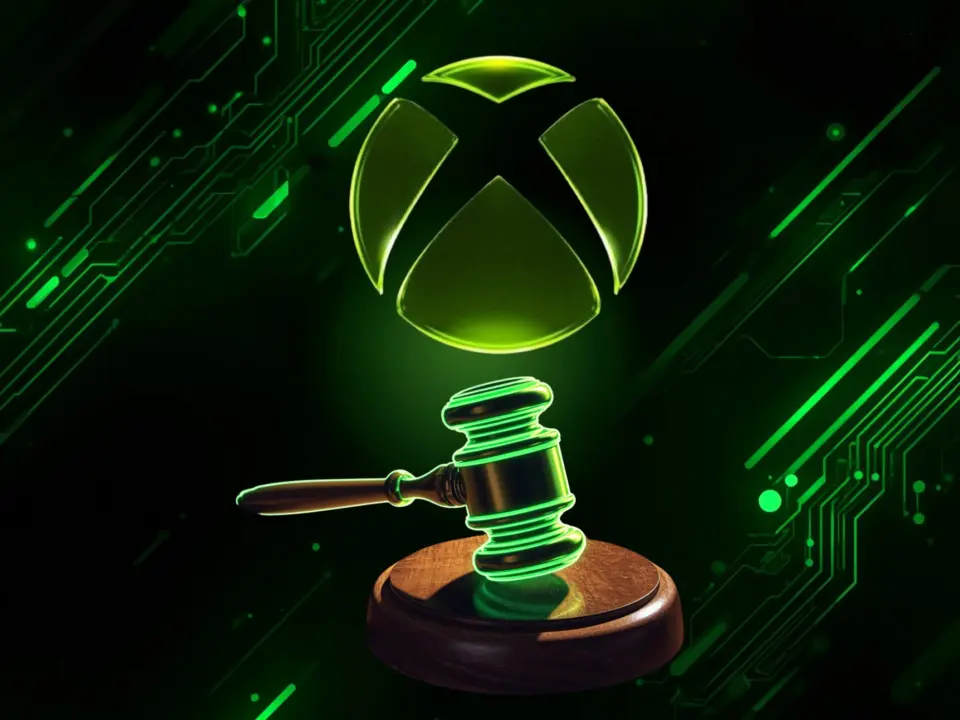
A Brazilian court has ruled that Microsoft must restore an Xbox account it blocked for suspected hacking, even though the owner had two-factor authentication enabled. This decision matters because it challenges the company's standard practice of locking accounts to protect users, setting a legal precedent for digital ownership rights in the region. Buyers with active Xbox accounts should note that account security measures do not guarantee automatic restoration if the platform flags suspicious activity.
Brazilian court rules Microsoft must restore blocked Xbox account
The lawsuit was filed by a user known as Ordo_Liberal, who lost access to his account after Microsoft detected potential unauthorized access. Microsoft deployed twelve attorneys to defend its position, arguing that it has the right to disable accounts suspected of being compromised to protect the broader user base. The court rejected this defense, finding that the automated block violated consumer protection laws regarding digital marketplace abuse.
The judge ordered Microsoft to unfreeze the account within fifteen days or face financial penalties for non-compliance. The court also awarded the plaintiff approximately $400 in moral damages for the distress caused by the loss of access. This ruling emphasizes that Brazilian consumer law prioritizes individual access rights over platform security protocols when those protocols result in unjustified account suspension.
We looked at Xbox closely — see our earlier coverage on Halo: Combat Evolved PS5 Players Must. The case highlights the tension between automated security systems and user rights in digital marketplaces. Microsoft must now comply with the court order to restore the account and pay the damages.
This legal outcome confirms that platform providers cannot unilaterally lock accounts without facing legal consequences under local consumer protection statutes. The ruling provides a clear framework for how digital service disputes are handled in Brazil, affecting how companies manage account security and user appeals.
Source: NotebookCheck