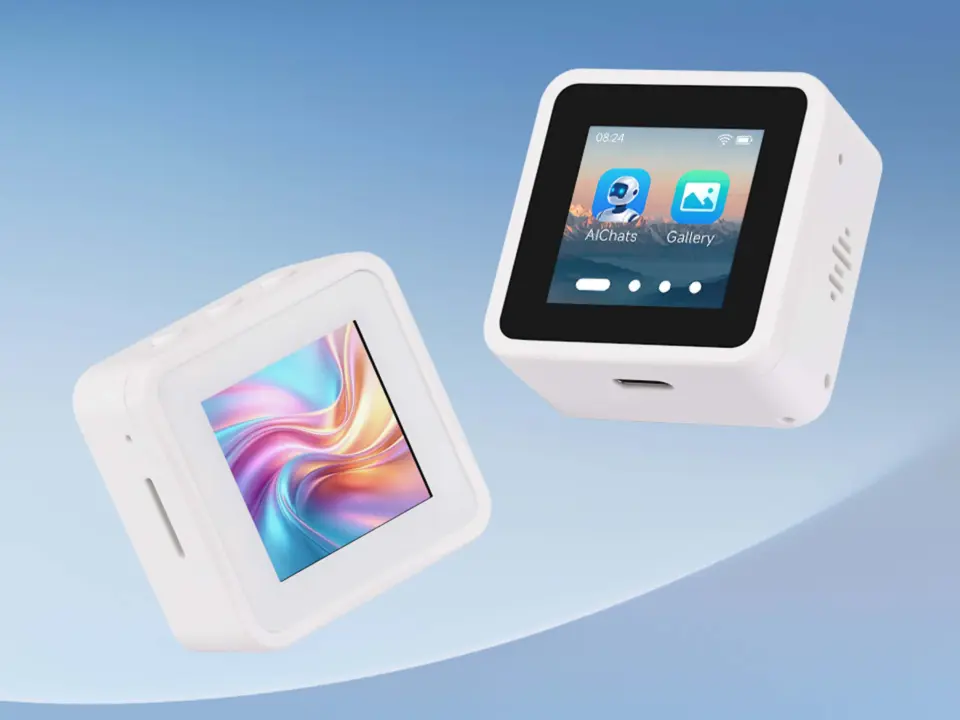
Waveshare released a new development board that combines an ESP32-C6 processor with a 1.54-inch LCD display for makers and hobbyists. This compact device matters because it brings wireless connectivity and visual feedback to small embedded projects without requiring external screens. The integrated design simplifies prototyping for users who need to monitor data or control devices remotely. Buyers interested in low-power IoT solutions will find this board useful for building connected sensors or smart home nodes.
Compact dev kit integrates Wi-Fi, Bluetooth, and sensors for prototyping
The core of the device is the ESP32-C6 processor, which runs at speeds of up to 160 MHz. This chip provides the necessary computing power for handling wireless protocols and managing the display interface. Waveshare designed the board to support 2.4 GHz Wi-Fi and Bluetooth 5, allowing it to connect to local networks or other Bluetooth devices. These connectivity options enable the board to function as a standalone node in larger wireless systems.
Specifications
- Processor: ESP32-C6, up to 160 MHz
- Display: 1.54-inch LCD
- Connectivity: 2.4 GHz Wi-Fi, Bluetooth 5
- Power Interface: USB Type-C
- Sensors: Gyroscope, Accelerometer, Microphones
Programming and power are delivered through a USB Type-C port, which simplifies the development workflow for engineers. The board includes a microSD card slot for storing data or running code from external storage. It also integrates several sensors to enhance its capabilities in physical computing projects. These sensors include a gyroscope and an accelerometer for motion detection, as well as built-in microphones for audio input.
Waveshare lists the ESP32-C6 1.54-inch LCD Display Development Board at a starting price of $15. This affordable entry point makes it accessible for students and independent developers working on tight budgets. The company also offers alternative versions of the board, including models with round displays for different form factors. These options allow users to choose the hardware that best fits their specific design constraints.
The device is aimed at makers and requires programming effort for use, which distinguishes it from plug-and-play consumer electronics. Users must write code to utilize the display and sensor features effectively. This approach appeals to developers who want full control over their hardware behavior. The combination of low cost and flexible connectivity makes it a practical tool for rapid prototyping.
Source: NotebookCheck