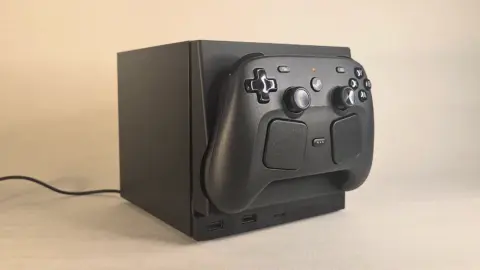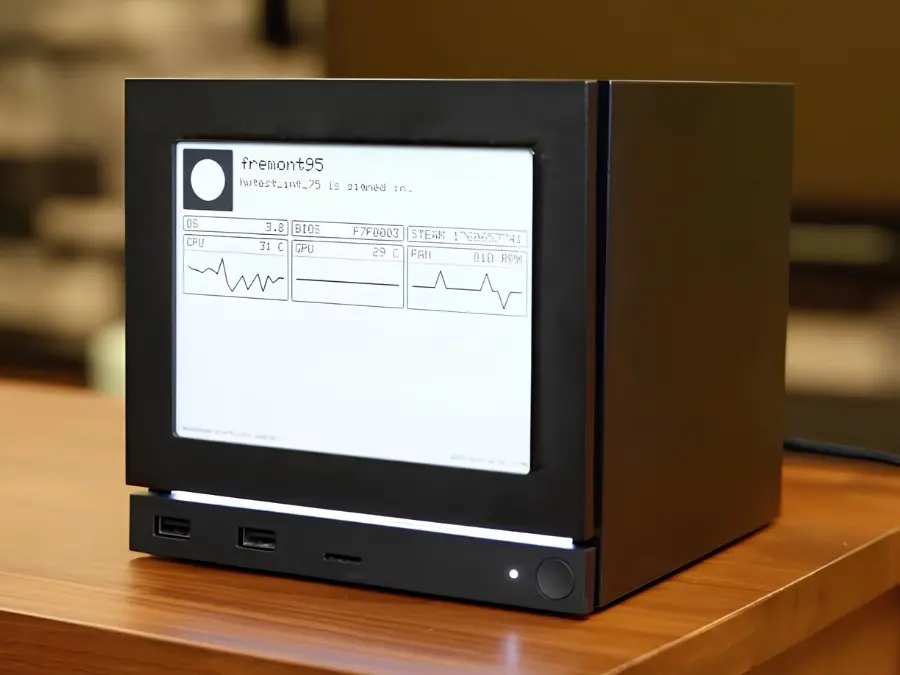
Valve has released the complete open-source files needed to build a custom e-ink faceplate for the Steam Machine, turning a previously teased hardware feature into a doable project for owners. This release allows users with 3D printers to create their own display accessory using official instructions, which removes the need to wait for a commercial product that may never arrive. The move matters because it gives Steam Machine owners immediate control over their device's exterior interface and status monitoring capabilities.
DIY owners get official instructions for custom display accessory
The project relies on a standard ESP32 microcontroller board that connects to the Steam Machine over Bluetooth. Valve provides the necessary CAD files and assembly guides to help users construct the physical housing for the display. This hardware setup enables the faceplate to communicate wirelessly with the main system for real-time data updates.
- Faceplate Type: e-ink
- Connectivity: Bluetooth
- Microcontroller: ESP32
- Software Interface: AppImage (temporary), Steam App (future)
Users can currently configure the display by building their own AppImage software package to show hardware statistics or custom images. The GitHub repository includes firmware instructions and setup documentation to guide the installation process. Valve plans to release an official app on Steam in the future to simplify this configuration step for non-technical users.
The release includes a video guide and PDF documents to assist with the physical assembly of the faceplate components. This comprehensive documentation ensures that builders can replicate the design accurately without guessing at the mechanical fit. The official nature of the files means the community is working from Valve's own engineering specifications rather than third-party reverse engineering.
We looked at the last Steam Machine update earlier while tracking NVIDIA launches, and several of the same balance and stability themes came up in that discussion. This new faceplate project continues Valve's strategy of opening up the hardware ecosystem to the maker community. Owners can now expect a more personalized and functional exterior for their living-room PC setup.
Source: NotebookCheck