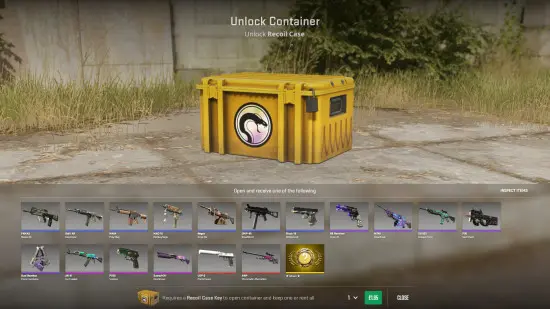
Valve filed a motion to dismiss a lawsuit in New York on May 18, 2026. The state Attorney General accused the developer of promoting unregulated gambling through Counter-Strike 2 Cases. These virtual item crates allow players to purchase randomized rewards that hold resale value on the Steam Marketplace.
Developer argues virtual item crates mirror standard retail practices like baseball cards and cereal toys amid ongoing legal battle.
New York Attorney General Letitia James claims Valve profits billions by targeting teenagers and younger users with these gambling mechanics. The lawsuit seeks triple damages based on case profits and demands a ban on selling Cases within New York state boundaries. A separate legal action in the United Kingdom challenges alleged anti-competitive Platform Parity Obligations against the company.
Valve argues that selling randomized items mirrors standard retail practices like buying baseball card packs or cereal box toys. The developer warns that regulating virtual loot boxes creates a slippery slope for broader consumer goods litigation. The outcome of this motion to dismiss remains unknown as legal proceedings continue.
The case highlights growing regulatory scrutiny over digital item monetization in major gaming titles. Developers face increasing pressure to clarify how randomized purchases function within existing gambling frameworks across different jurisdictions.
Source: PCGAMESN