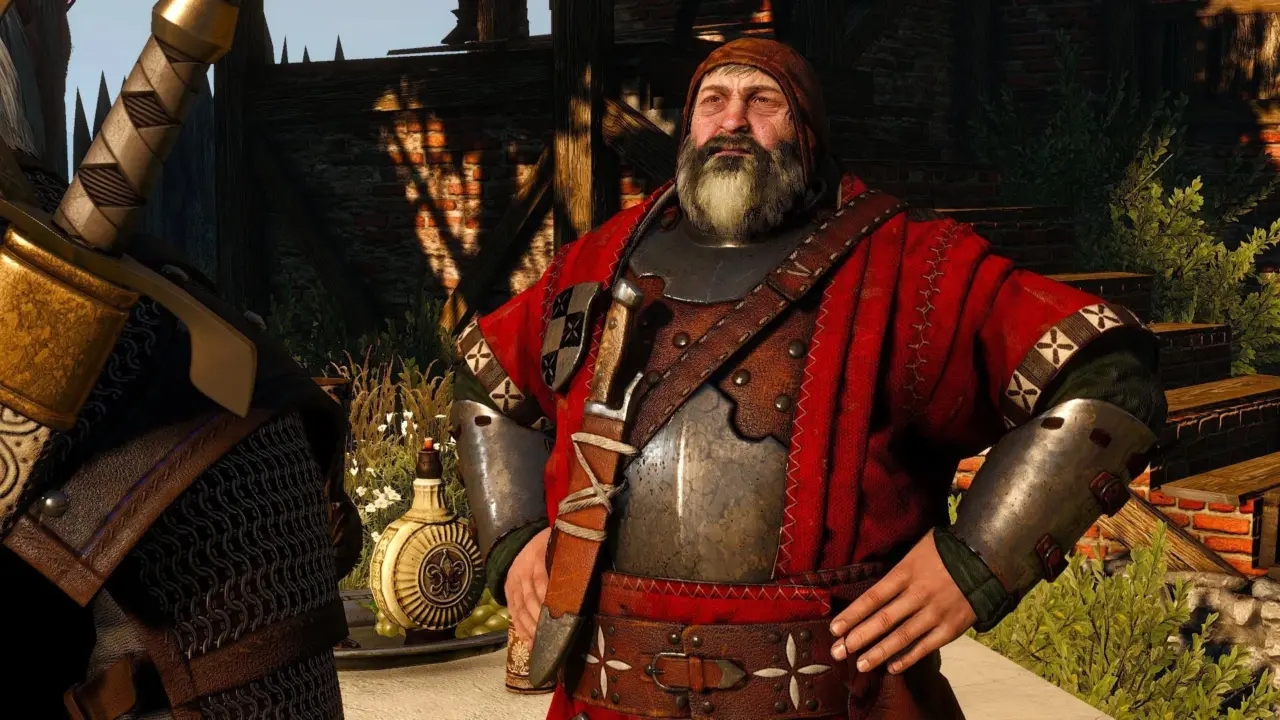
The Witcher 3: Wild Hunt continues to shape how players engage with narrative-driven games through its uncompromising approach to decision-making. CD Projekt story director Marcin Blacha argues that the most memorable quests are those that force players to pause their gameplay and reflect on the moral weight of their actions. This philosophy prioritizes deep contemplation over rapid button-mashing, ensuring that significant choices feel consequential rather than incidental.
CD Projekt story director Marcin Blacha explains the design philosophy behind the upcoming Songs of the Past expansion
Blacha emphasizes that a truly great RPG quest should never present an obvious or easy answer to the player. He believes that important decisions must carry enough emotional and narrative weight to make players consider the fate of characters and broader world issues. This design standard ensures that every major choice feels like a genuine dilemma rather than a simple puzzle to solve.
The upcoming expansion Songs of the Past will adhere strictly to this established design philosophy. CD Projekt intends to include difficult choices in the new content that may lead to player regret and encourage reloading saves to explore different outcomes. This commitment reinforces the game's reputation for delivering high-stakes narrative experiences that challenge player agency.
Marcin Blacha defines the ideal moment of impact as one where the player puts the controller away, stands up, and starts walking while thinking about the choice. This physical reaction signals that the game has successfully created a moment of genuine engagement and reflection. The studio maintains that such pauses are essential for validating the narrative stakes of The Witcher 3.
Source: NotebookCheck

Discussion
0 comments