Synology updated its DiskStation Manager software to prioritize local artificial intelligence workflows. The changes shift processing away from external cloud services toward on-device execution. This approach addresses growing privacy concerns by keeping sensitive data within the user's infrastructure. The update introduces new tools for managing AI models across different server architectures and databases.
Updated DiskStation Manager software prioritizes on-device artificial intelligence workflows for enhanced privacy and security.
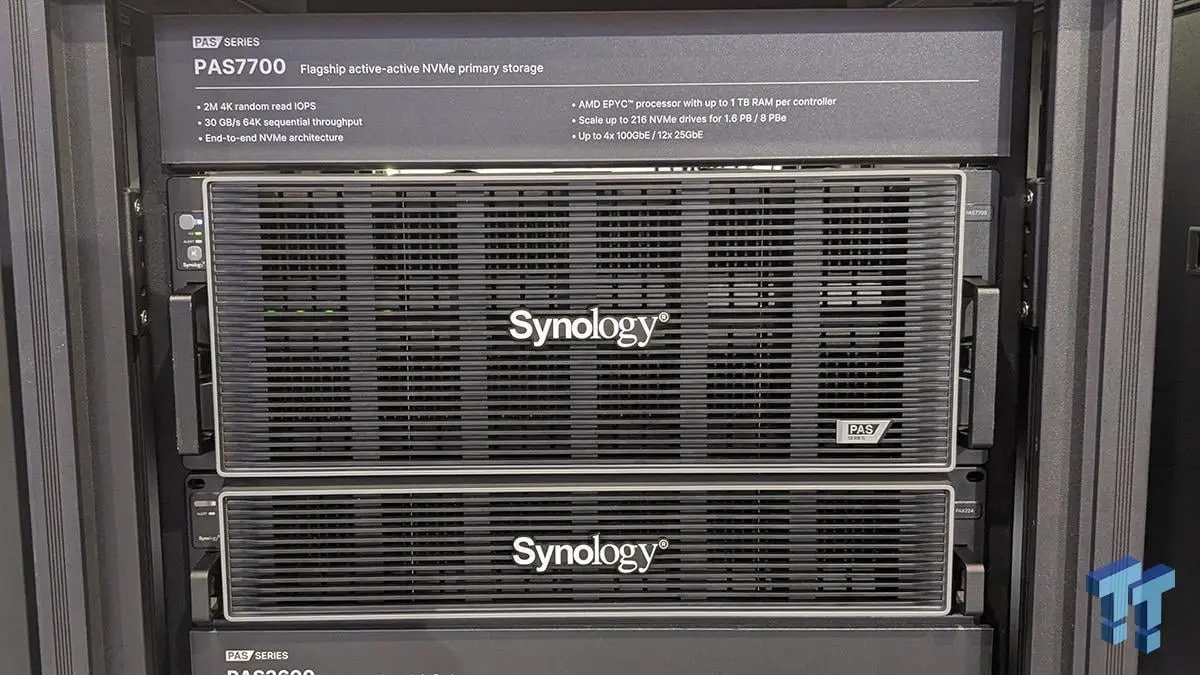
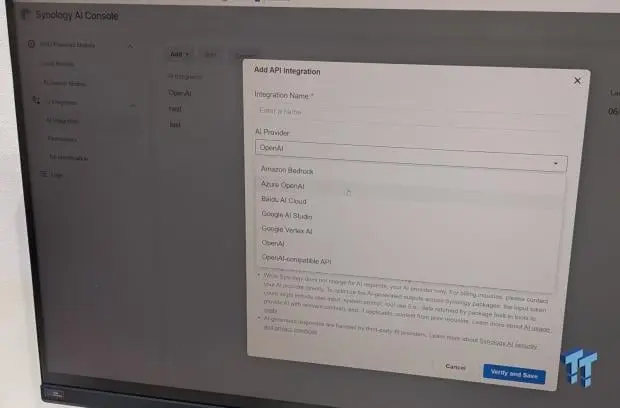
The software runs on Synology NAS devices, including the PAS7700 flagship model. The PAS7700 hardware supports up to 216 NVMe drives in a single system. This configuration enables high-density storage arrays that feed data directly into local AI workloads. The operating system provides controls for integrating various AI models across virtual machines and cloud services.
The PAS7700 delivers up to two million random read operations per second for 4K file sizes. Sequential throughput reaches thirty gigabytes per second on the same device. These performance metrics apply specifically to the hardware running the updated software. The system handles large data volumes required for local AI processing without external bottlenecks.
ActiveProtect Manager 2.0 adds artificial intelligence-assisted threat detection to the suite. The new module identifies anomalous files and quarantines them automatically. This feature aims to improve cyber-resilience by reducing manual intervention during security events. The DSM assistant also automates administrative tasks, searches files, generates emails, and performs translations locally.
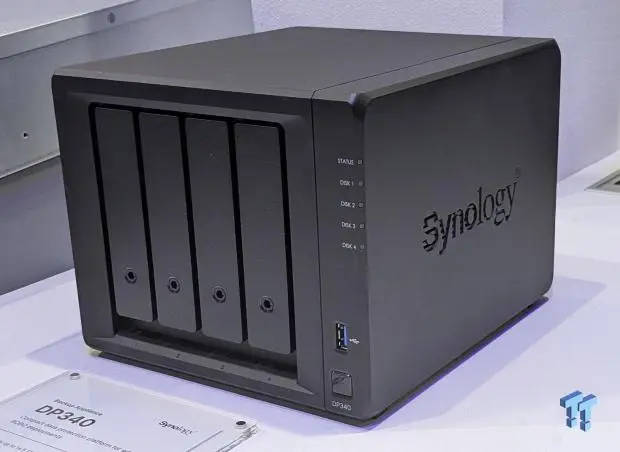
Synology showcased these updates at Computex 2026 as part of its next-generation software strategy. The company positioned the changes around local AI execution rather than cloud dependency. No pricing or availability details were provided for the updated DiskStation Manager version. The announcement focused on technical capabilities and security enhancements instead of commercial terms.
The update confirms Synology's shift toward on-device AI processing with specific hardware support. Local execution remains the primary focus for privacy-sensitive deployments. ActiveProtect Manager 2.0 introduces automated threat response without requiring external services. The PAS7700 specifications demonstrate the storage and throughput capacity needed to sustain these workloads.
Source: TweakTown