Nintendo Switch 2 games are hitting 60 FPS through a technical workaround that blends two competing upscaling technologies. This hybrid approach lets developers stretch the console's capabilities, but it introduces latency and visual compromises that players will notice. The method matters because it reveals how hardware limitations force creative, and sometimes imperfect, engineering solutions on the new platform.
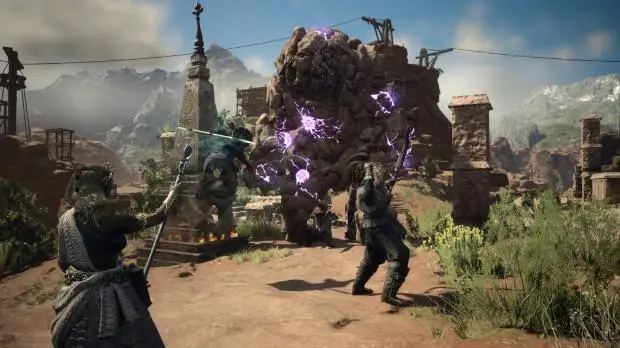
Hybrid upscaling technique introduces input lag and visual artifacts
The technique relies on a specific combination of tools from NVIDIA and AMD. Developers render the base game at 30 FPS using NVIDIA's custom DLSS Super Resolution. They then feed that 30 FPS output into AMD's FSR 3.1 Frame Generation to interpolate the final 60 FPS image.
This setup bypasses the fact that DLSS Frame Generation is not officially supported on the Switch 2's Ampere hardware. The hardware simply cannot run the native frame generation pipeline, so teams use FSR as a bridge. The result is a 60 FPS mode that exists only through interpolation rather than native rendering.
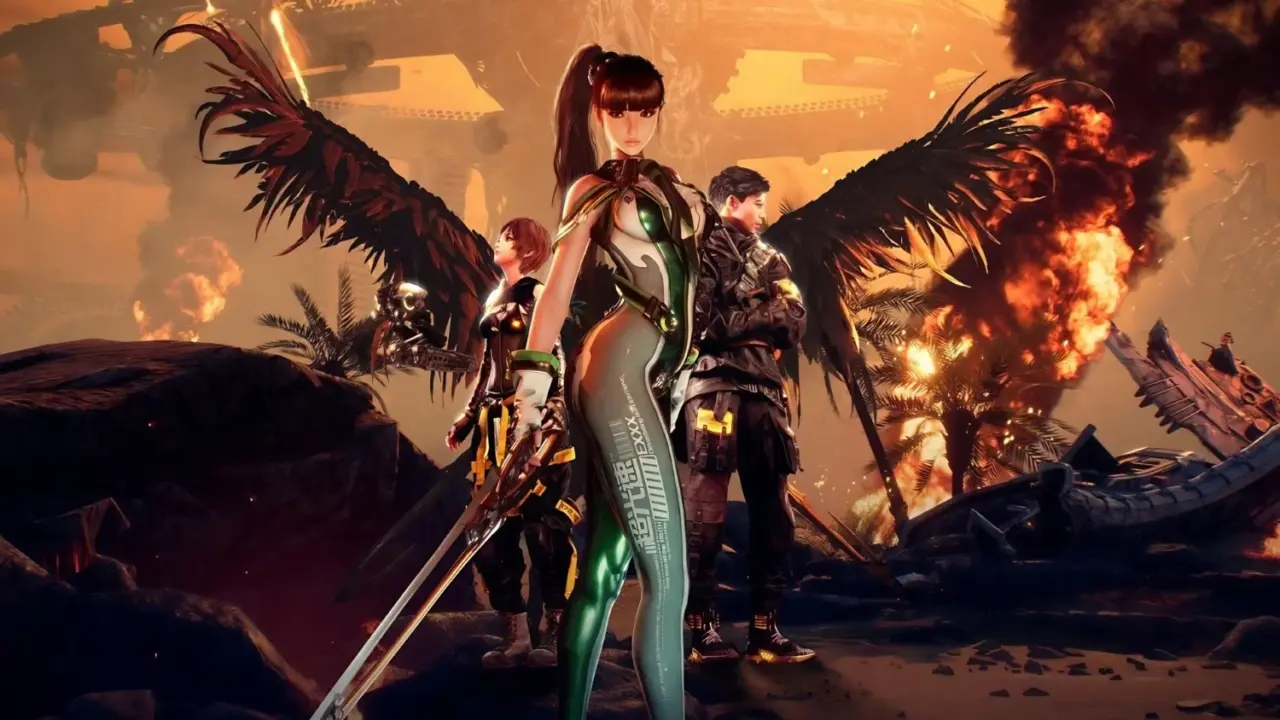
Digital Foundry tested this implementation in the Nintendo Switch 2 Stellar Blade demo and found mixed results. The interpolated frames do not feel like native 60 FPS gameplay. Input latency remains tied to the 30 FPS base render, making controls feel sluggish. The process also introduces visual artifacts in particles and animations.
This technical workaround highlights the constraints of the Switch 2's GPU architecture. While frame counts increase, the experience does not match the responsiveness of true native performance. Players should expect input lag and potential visual glitches in titles using this specific hybrid method.
Source: TweakTown


Discussion
0 comments