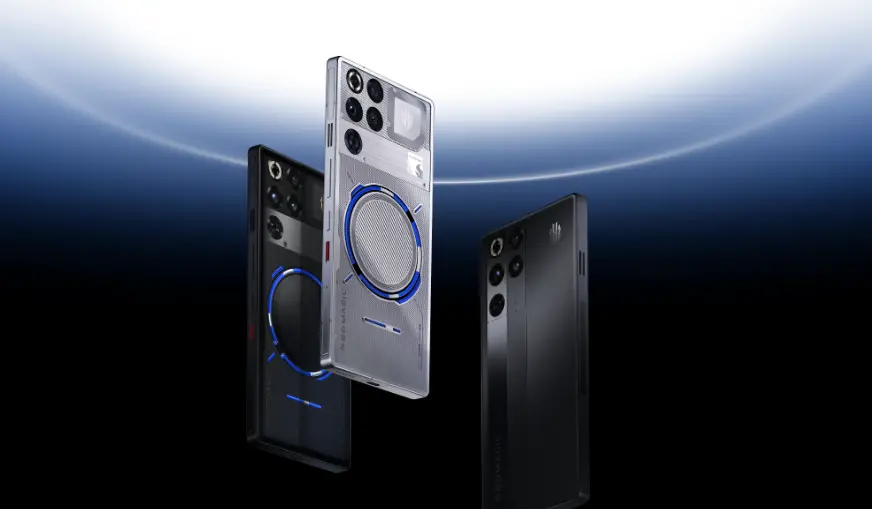
Samsung is assembling a dedicated research team to investigate active liquid cooling for future Galaxy smartphones, signaling a potential shift in how the company manages thermal performance. Researchers are evaluating both sealed coolant loops and air-based solutions, with the former taking priority due to its superior heat dissipation capabilities. This effort aims to address thermal throttling during intensive tasks like gaming, video editing, and on-device AI processing.
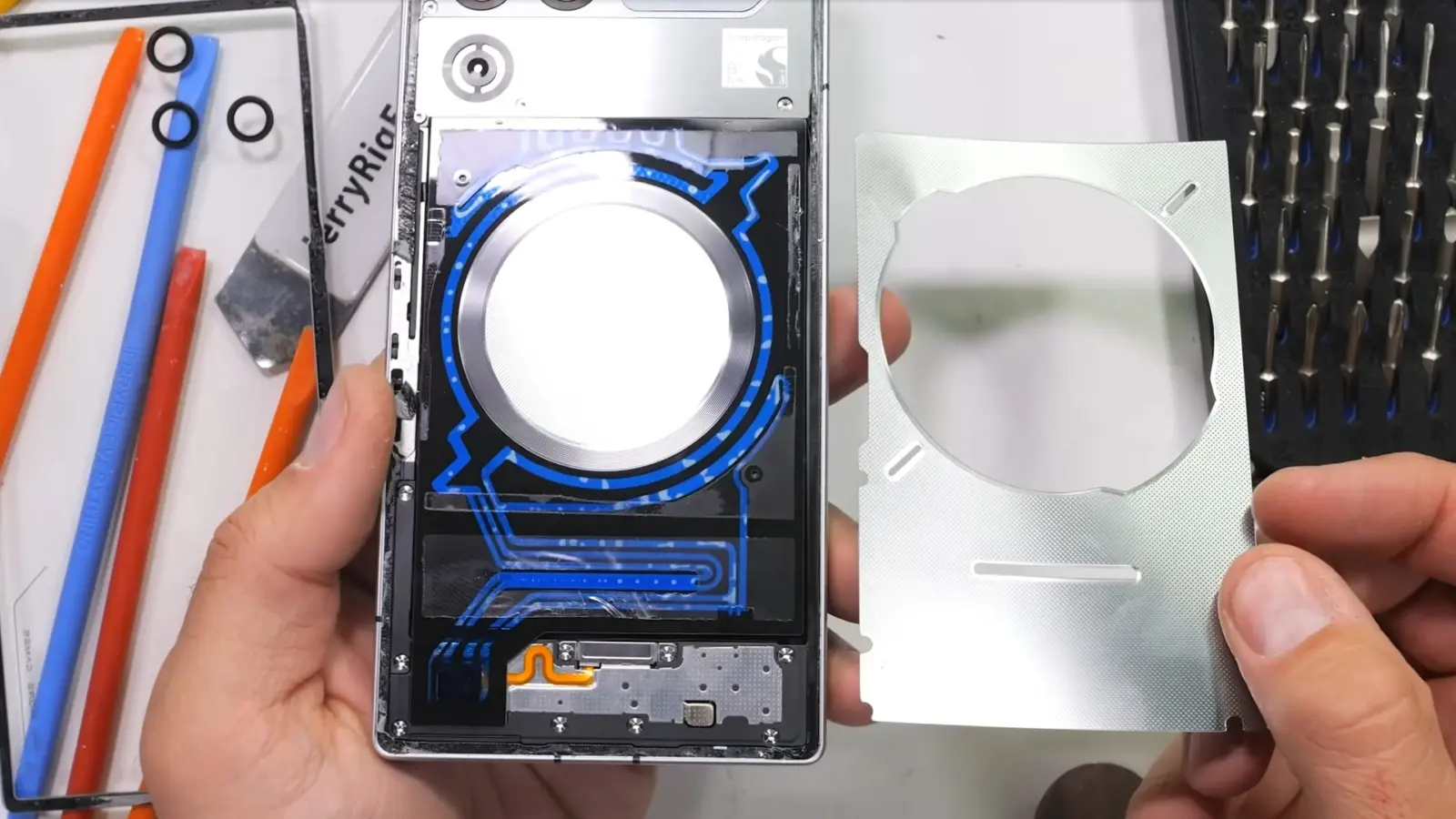
Researchers evaluate sealed coolant loops to sustain peak performance during intensive tasks like gaming and AI processing.
The initiative targets flagship Galaxy devices that currently rely on vapor chambers for passive cooling. Samsung's internal team is exploring active liquid systems that circulate coolant through sealed channels to maintain consistent GPU and CPU temperatures under load. The company is also testing active air cooling alternatives, though these face hurdles related to dust resistance, acoustic noise, and mechanical complexity.
Key technical details include the use of piezoelectric ceramic micropumps for closed-loop coolant circulation, a method already deployed by gaming-focused brands like RedMagic in its 11 Pro series. Samsung's approach prioritizes sealed loops over open designs to prevent leaks and ensure long-term reliability. The research focuses on sustaining peak performance without compromising device durability or water resistance ratings.
Additional research focuses on how these cooling systems can fit within the physical design of future Galaxy devices and work alongside established heat dissipation methods. Active air cooling remains under exploration but is viewed as less viable due to its susceptibility to environmental contaminants and higher maintenance demands compared to liquid systems. Samsung's testing phase emphasizes balancing performance gains against potential trade-offs in device thickness or battery capacity.
This development aligns with broader industry efforts to improve device durability and maintain performance levels during prolonged use by addressing heat-related limitations. By prioritizing sealed coolant loops, Samsung aims to deliver a solution that maintains performance consistency without introducing reliability risks associated with open-loop designs or complex air-based alternatives.
Source: GIZMOCHINA