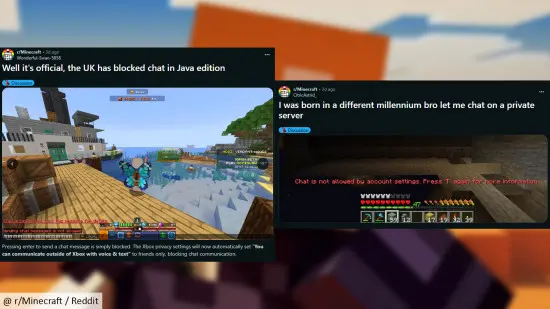
Microsoft has tightened age verification rules for Xbox users in the United Kingdom, triggering an immediate backlash from the gaming community. The new restrictions limit social interaction for unverified players under 18 by blocking chats with non-friends. This policy change directly impacts Minecraft, one of the most popular titles on the platform, by isolating younger players from their peers. Gamers who rely on open chat for cooperative play now face significant barriers to communication.
UK enforcement blocks unverified under-18s from non-friend chats
The enforcement stems from the UK's Online Safety Act, which requires digital services to protect minors from harmful content. Xbox implemented these measures by restricting messaging capabilities for accounts that have not passed age verification. Minecraft players on PC have responded by developing and distributing modifications designed to circumvent these chat blocks. These mods allow users to restore full communication features despite the platform-level restrictions.
The core technical conflict involves the disconnect between Xbox's server-side age verification and client-side game modifications. Unverified users under 18 cannot initiate or receive messages from players outside their friend list. This limitation applies specifically to social features within Minecraft and other Xbox ecosystem titles. The mods exploit this gap by intercepting or bypassing the verification check before the chat request reaches the server.
The UK government is currently evaluating stricter regulations that could further limit online interactions for users under 16 starting next year. This potential escalation has intensified the debate over digital privacy and the effectiveness of age verification systems. One Reddit user highlighted the tension by criticizing the use of child protection as a pretext for surveillance. The community remains divided on whether these measures enhance safety or restrict legitimate social interaction.
Microsoft maintains that the restrictions are necessary to comply with legal obligations and protect younger users. The current implementation focuses on chat functionality rather than restricting access to the game itself. Players who have completed verification can continue to interact normally with all other users. The situation highlights the ongoing challenge of balancing regulatory compliance with user experience in online gaming.
Source: PCGAMESN