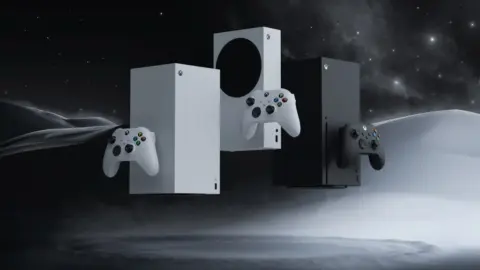
Microsoft is developing a next-generation Xbox console codenamed Project Helix, a move that signals a strategic shift toward affordability in response to rising hardware costs. The company aims to unify PC and console gaming libraries on a single device, potentially simplifying the ecosystem for buyers who currently navigate separate platforms. This consolidation could reduce the friction of owning multiple systems, though the final configuration remains unconfirmed by Microsoft.

Xbox CEO cites rising component costs driving next-gen design
Xbox CEO Asha Sharma highlighted the economic pressures driving this development, stating that the industry is currently in the middle of a "RAMocalypse" that is inflating component prices. She emphasized that all manufacturers need to innovate on affordability and efficiency, noting that such cost-focused engineering has not been a primary requirement in recent generations. These comments suggest that Project Helix will prioritize cost-effective design over raw, unbridled hardware expansion.
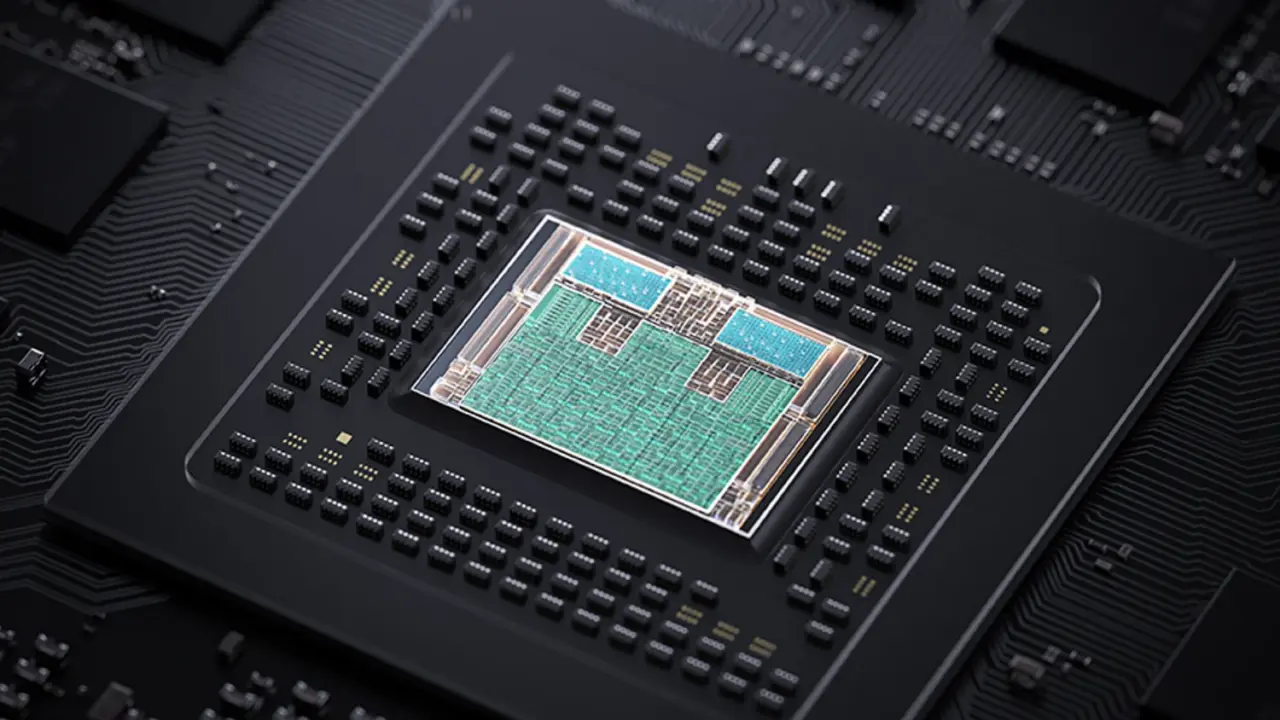
Reports indicate that the Helix device may support both Windows PC and Xbox console games, a feature that would blur the lines between traditional gaming categories. Microsoft is also integrating AI tools into the development process to improve performance and streamline workload generation for the new system. While specific technical specifications are not yet public, the focus on efficiency implies a redesign of how the console handles memory and processing tasks.
Industry observers have inferred that original equipment manufacturers like ASUS may be involved in the development of Project Helix, based on hints from leadership about broader industry collaboration. This potential partnership could influence the physical design and manufacturing scale of the console. We have been tracking Project Helix closely and previously covered reports suggesting the console might block Steam to further cut costs.
Source: TweakTown