Linux 7.2 removes a long-standing compatibility layer for x86 processors by making the Time Stamp Counter (TSC) a mandatory requirement. This change matters to users because it ends decades of code designed to support older hardware that lacked reliable timing capabilities. System builders and enterprise administrators must now ensure their x86 CPUs provide TSC support to run the latest kernel.
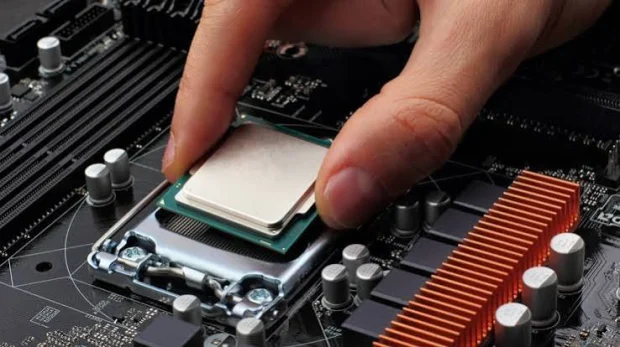
Kernel removes optional timer logic to prioritize modern hardware precision
The Linux Kernel project committed this update under the title 'x86/cpu: Make CONFIG_X86_TSC unconditional'. The configuration flag CONFIG_X86_TSC is no longer optional and is now enforced for all x86 builds. This structural change simplifies the kernel codebase by removing conditional logic that previously handled missing or unreliable timers.
TSC-based timer reads take tens to hundreds of CPU cycles, according to TweakTown. Motherboard-based timers take roughly 0.8 to 1.0 microseconds, which is significantly slower for high-resolution timing tasks. The kernel now relies on TSC for precision timing, replacing fallbacks like HPET or ACPI PM timers that were necessary on older hardware.
Linux 7.0 previously dropped support for Intel 486 processors, signaling a continued move away from legacy x86 architectures. The removal of TSC compatibility code marks the next step in this transition. Users with very old x86 hardware that lacks a reliable Time Stamp Counter will need to stick with older kernel versions or upgrade their systems.
This update confirms that the Linux kernel is prioritizing modern hardware performance over backward compatibility for legacy x86 systems. The mandatory TSC requirement streamlines the kernel while leaving older hardware behind. We looked at previous kernel updates while tracking these compatibility changes.
Source: TweakTown