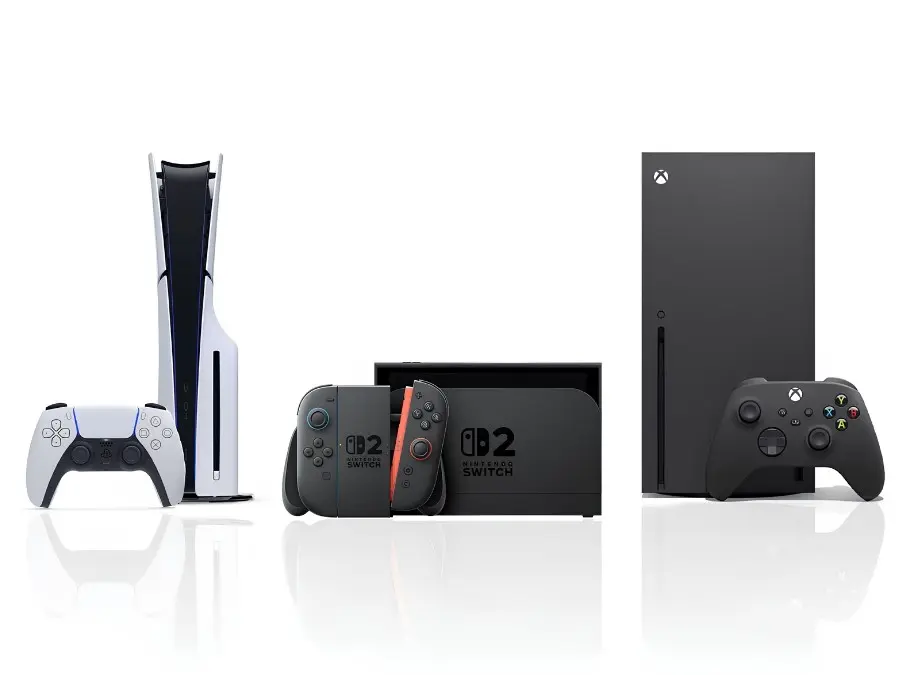
Gaming console buyers should prepare for another round of price increases as memory costs are projected to spike sharply in the coming years. A new analysis from Jefferies Equity Research indicates that the supply of DRAM and NAND flash memory will remain tight, forcing manufacturers to pass higher component costs onto consumers. This trend follows previous price hikes from Sony, Microsoft, and Nintendo, suggesting that the current cost of owning a next-generation console is unlikely to stabilize anytime soon.
Memory prices projected to spike twice in 2026
The core issue driving these potential increases is a severe imbalance between memory supply and demand. Artificial intelligence and cloud computing providers are currently securing 50 to 70 percent of the available memory supply through long-term agreements. This aggressive procurement strategy leaves significantly less inventory for consumer electronics manufacturers, including those producing gaming consoles. The result is a constrained market where hardware makers have limited options to source components at previous price points.
Jefferies projects that memory prices will surge by 40 to 50 percent in the third quarter of 2026 compared to current levels. A second wave of inflation is expected in the fourth quarter of 2026, with prices rising an additional 30 to 40 percent. Looking further ahead, year-over-year memory price increases of 40 to 45 percent are anticipated throughout 2027. These figures represent a significant deviation from the stable pricing trends seen in earlier years.
Manufacturing capacity constraints are expected to delay any relief from these high prices until 2028. Martin Hiegl, Executive Director at Lenovo, recently stated that DRAM and NAND prices are unlikely to return to their early 2025 levels in the near future. This sentiment aligns with the broader market analysis, indicating a prolonged period of elevated component costs. Consumers may need to adjust their purchasing expectations as the hardware industry navigates this supply chain bottleneck.
The gaming console market faces a challenging outlook as component costs continue to rise. With major manufacturers already implementing price hikes, further increases appear inevitable given the projected memory shortages. Buyers should anticipate higher retail prices for upcoming console releases and potential updates to existing models. The industry will likely remain under pressure until supply constraints ease in 2028.
Source: NotebookCheck