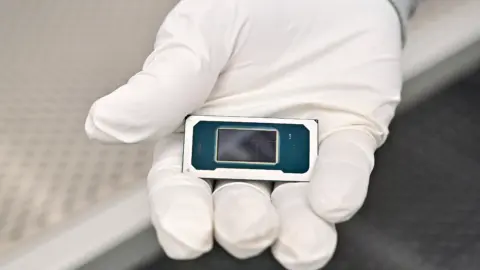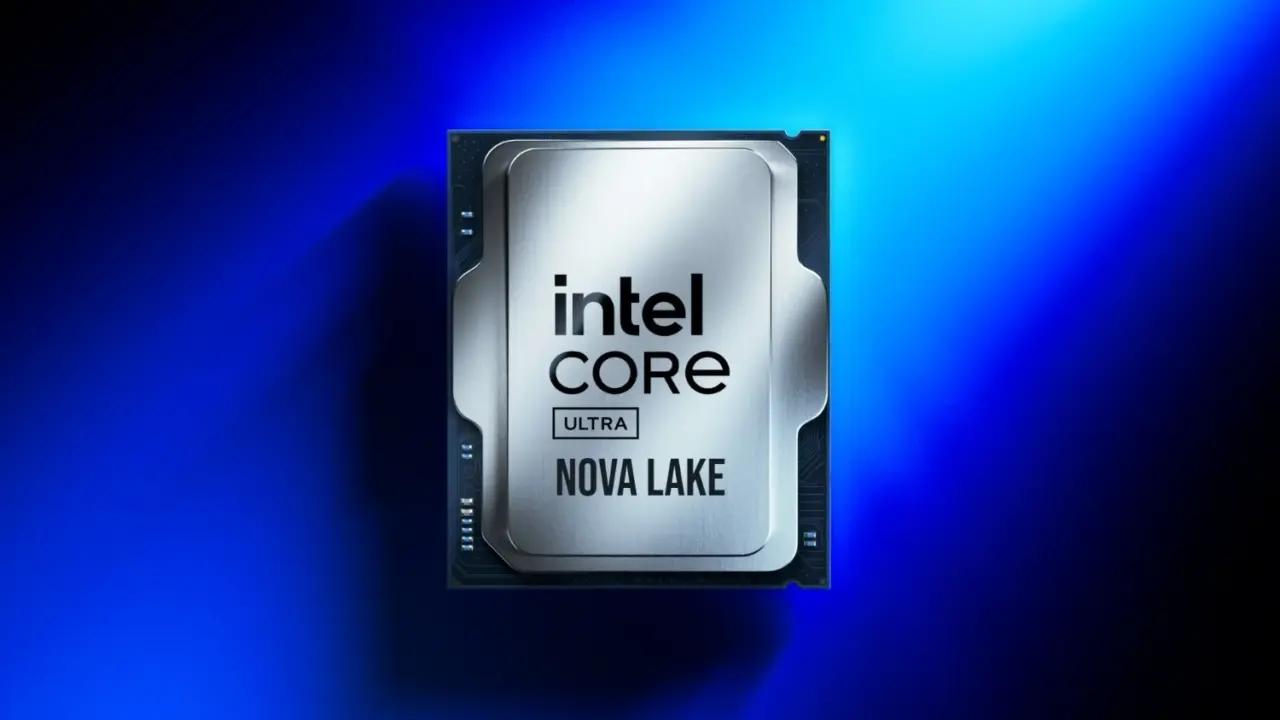
Intel is moving the bulk of its next-generation Nova Lake-S desktop processor production from TSMC to its own 18A manufacturing node. This shift matters because it reduces Intel's reliance on external foundries and signals confidence in its internal fabrication capabilities. Buyers watching for next-gen desktop chips should note that this internal transition aims to secure supply and potentially lower costs by avoiding third-party markup.
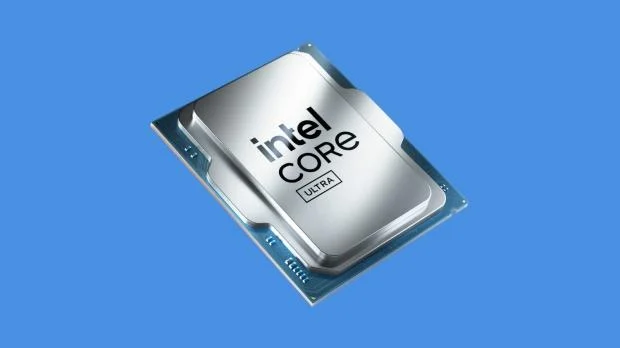
Intel moves desktop CPU manufacturing to 18A node as yields improve
The Nova Lake-S line targets the high-end desktop and gaming market with a focus on core density and cache performance. Intel currently uses its 18A process for Panther Lake mobile processors, establishing a baseline for the technology's viability. The desktop variant is expected to launch later this year or in early 2027, giving the foundry team time to stabilize the new node.
A key driver for this manufacturing change is the reported improvement in 18A node yields, which have risen from 65% to 85% in recent months. Improved manufacturing yields generally enhance cost efficiency and product consistency for consumers. Intel plans to manufacture the majority of Nova Lake-S CPUs in-house on this improved process, according to a new report.
The move also reflects pricing dynamics at external foundries, where TSMC has reportedly offered less favorable terms for its 2nm (N2) process to Intel compared to other clients. Shifting production to its own facilities allows Intel to manage costs more effectively and retain greater control over its development timeline. This move supports Intel's long-term objective of operating a competitive manufacturing business for its own products and outside clients.
We have been tracking Nova Lake-S closely and previously covered details on its 22-core configuration and 108MB cache for PC gaming. The reported transition to 18A manufacturing represents a notable development in Intel's planning for upcoming desktop processors.
Source: TweakTown