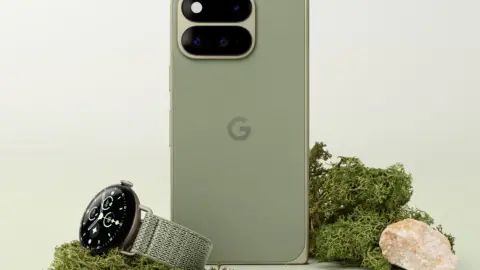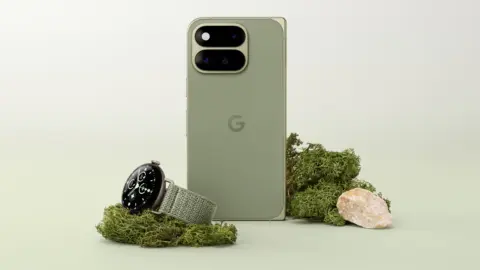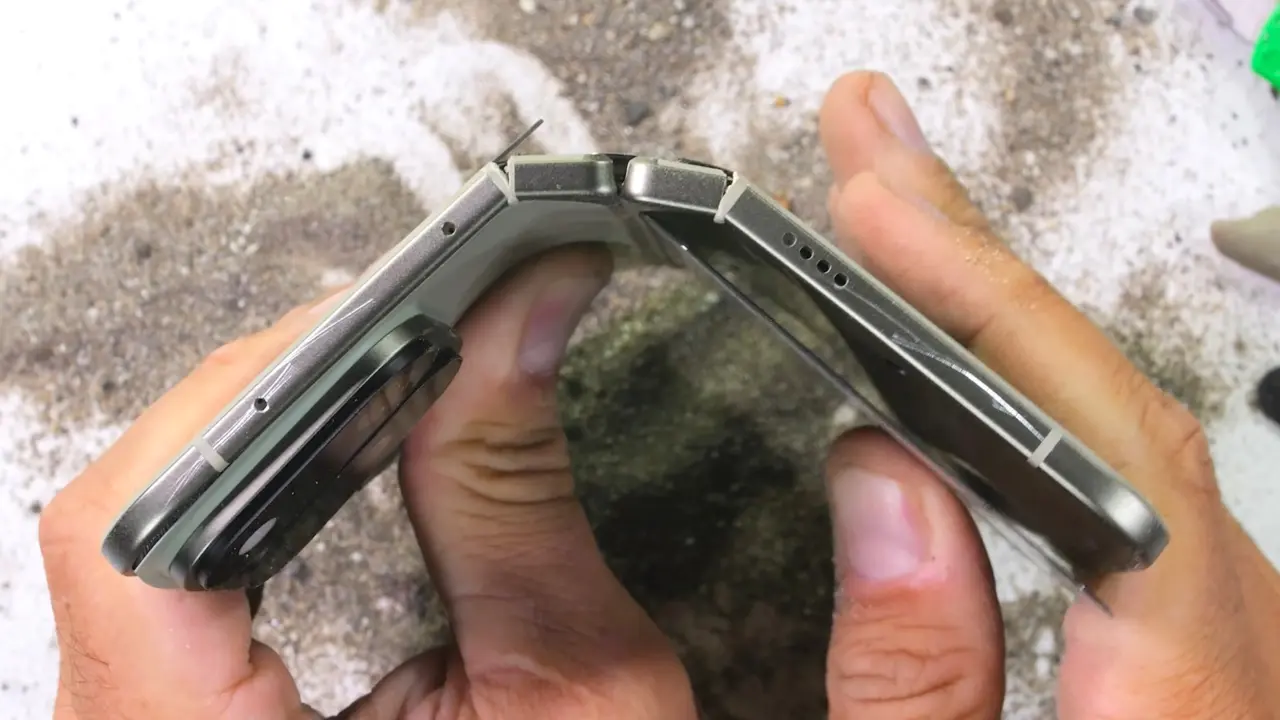
The Google Pixel 11 Pro Fold failed a durability bend test despite Google claiming the device is three times more durable than its predecessor. This result matters to buyers because it challenges the marketing narrative around the phone's structural resilience. Although the Google Pixel 11 Pro Fold was marketed as being three times more durable than its predecessor, durability testing revealed structural weaknesses that contradict these claims. The failure highlights a gap between promotional claims and real-world stress testing.
Bend test reveals structural weaknesses near hinge and dust ingress issues
Google designed the Pixel 11 Pro Fold to be thinner and lighter than previous models. The device runs on the Tensor G6 processor and features a non-modular hinge design. This hinge structure differs from the approach used by Samsung in its Galaxy Z Fold series. The device features a thinner, lighter, non-modular hinge design that testers identified as having structural weaknesses near the antenna lines.
- Durability Claim: Three times more durable than predecessor
- Design Changes: Thinner, lighter, non-modular hinge design
- Front Display Behavior: Did not crack during bend test, fell off as single piece
- Back Material: Plastic
- IP Rating: IP68
Durability testing revealed specific structural weaknesses in the phone's chassis. The antenna lines, which serve as the weakest points of the case, are located right next to the hinge. This placement requires the most structural support, yet the design leaves them vulnerable. The front display glass did not crack during the bend test. Instead, the glass fell off as a single piece when the stress became too great.
The back panel of the Pixel 11 Pro Fold uses plastic rather than glass. The back panel is constructed from plastic rather than glass, and despite an IP68 rating, dust and dirt can still enter the hinge mechanism. Tests show that dust and dirt can still enter the hinge mechanism. This ingress can cause audible problems and long-term damage to the folding mechanism. The flexible display is also soft enough to be scratched by fingernails.
Zack Nelson of JerryRigEverything concluded that Google does not prioritize hardware refinement. He stated that Google cannot be bothered with hardware details. This criticism points to a lack of attention in critical areas like hinge sealing and antenna placement. We have tracked the Pixel 11 Pro Fold closely since its unveiling, noting the thinner design and Tensor G6 chip. Our earlier coverage on the Google Pixel 11 Pro Fold Unveiled highlighted these initial specifications.
The Pixel 11 Pro Fold enters the market with significant durability concerns. The bend test failure and dust ingress issues contradict the three-times-durability claim. Buyers relying on IP68 ratings for peace of mind should note the hinge vulnerabilities. The device ships with a plastic back and a non-modular hinge that lacks robust sealing.
Source: NotebookCheck