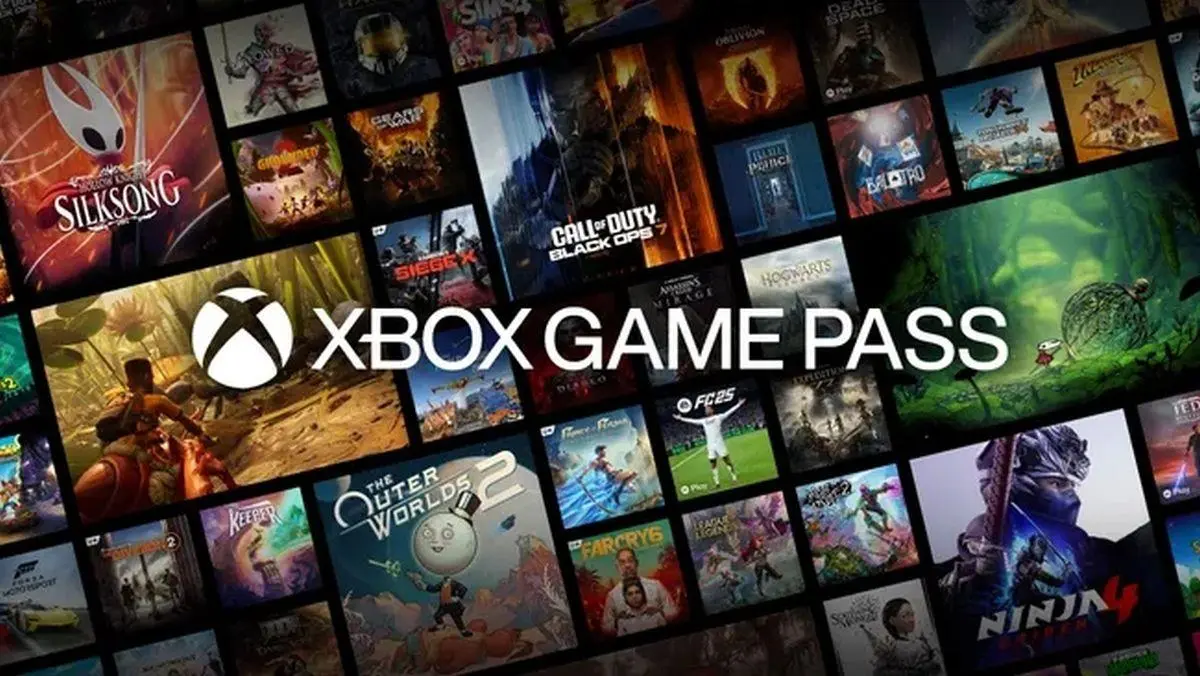
The Xbox Game Pass subscription model faces renewed scrutiny from industry veterans regarding its financial impact on game developers. Former Sony Interactive Entertainment head Shawn Layden argues that the service structure restricts third-party studios from maximizing earnings on day-one releases. This commentary highlights a fundamental tension in modern gaming: the trade-off between consumer access for players and revenue potential for creators. Buyers should note that while the service offers broad access, the underlying economics may influence which titles receive full-price support.
Former Sony executive Shawn Layden argues subscription economics hurt developer profits
Layden, a former executive at Sony, provided this critique in an interview discussing the broader console gaming landscape. He specifically targeted the subscription economy, contrasting it with the traditional retail model that has long defined the industry. His comments focus on the Xbox Game Pass service offered by Microsoft, positioning the discussion within the context of console business strategies. The former executive’s perspective adds weight to ongoing debates about how digital distribution changes developer profitability.
The core of Layden’s argument rests on the speed of cost recovery for game studios. He notes that traditional $70 game sales allow developers to recoup their investment much faster than through fixed subscription payments. Under the subscription model, revenue is distributed over time and volume, which he suggests dilutes the financial reward for successful titles. He compared Microsoft’s revenue model to a casino, stating that ultimately only the owner of the establishment wins, implying that developers see a smaller slice of the pie compared to direct sales.
Layden also reflected on his own previous estimates regarding the scale required for subscription models to thrive. He recalled his earlier projection that 500 million subscribers were needed for the model to become fully self-sufficient, describing that figure as somewhat exaggerated. This admission suggests a recalibration of his views on the market's capacity to support such services. The discussion underscores the complex financial realities facing both platform holders and the studios that create content for them.
Source: IXBT



Discussion
0 comments