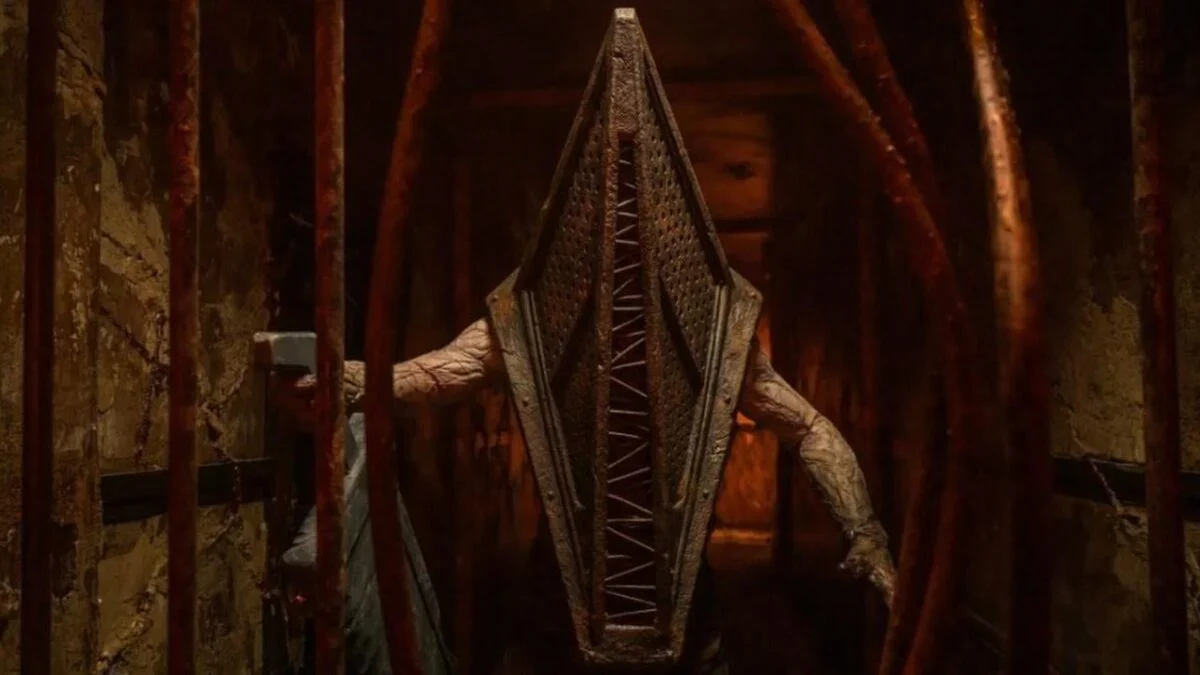
Konami has revealed a specific development rule for the Silent Hill franchise that prioritizes creative freedom over strict continuity. This approach allows multiple studios to interpret the horror series independently, which explains the distinct settings and tones of recent releases. Players can expect varied storytelling experiences rather than a single rigid narrative thread across different games.

Konami keeps developers away from lore bible to ensure fresh perspectives
The core of this strategy is an internal 'lore bible' that defines the essential elements of the Silent Hill universe. Motoi Okamoto, a key figure in the franchise's management, confirmed the existence of this document during a recent interview. The bible serves as a reference point for the brand's identity without dictating the plot of individual titles.
Okamoto stated that the company intentionally restricts access to the lore bible for development teams. He explained that distributing the document too widely would hinder the organic research process that developers need to create unique stories. The goal is to let each studio figure out what is symbolic to them rather than following a prescribed path.
This method has already yielded distinct entries such as Silent Hill f, which is set in 1960s Japan, and Silent Hill Townfall, set in 1990s Scotland. The strategy appears to be working commercially, as Silent Hill f sold one million copies in its first week. We have been tracking Silent Hill closely and noted earlier coverage on Konami Plans Annual Silent Hill Releases.
Konami continues to use this decentralized creative model to manage the franchise's growth. The company plans to release Silent Hill titles annually while maintaining this specific development philosophy. This structure ensures that each new entry feels fresh while remaining part of the broader series.
Source: TweakTown


Discussion
0 comments