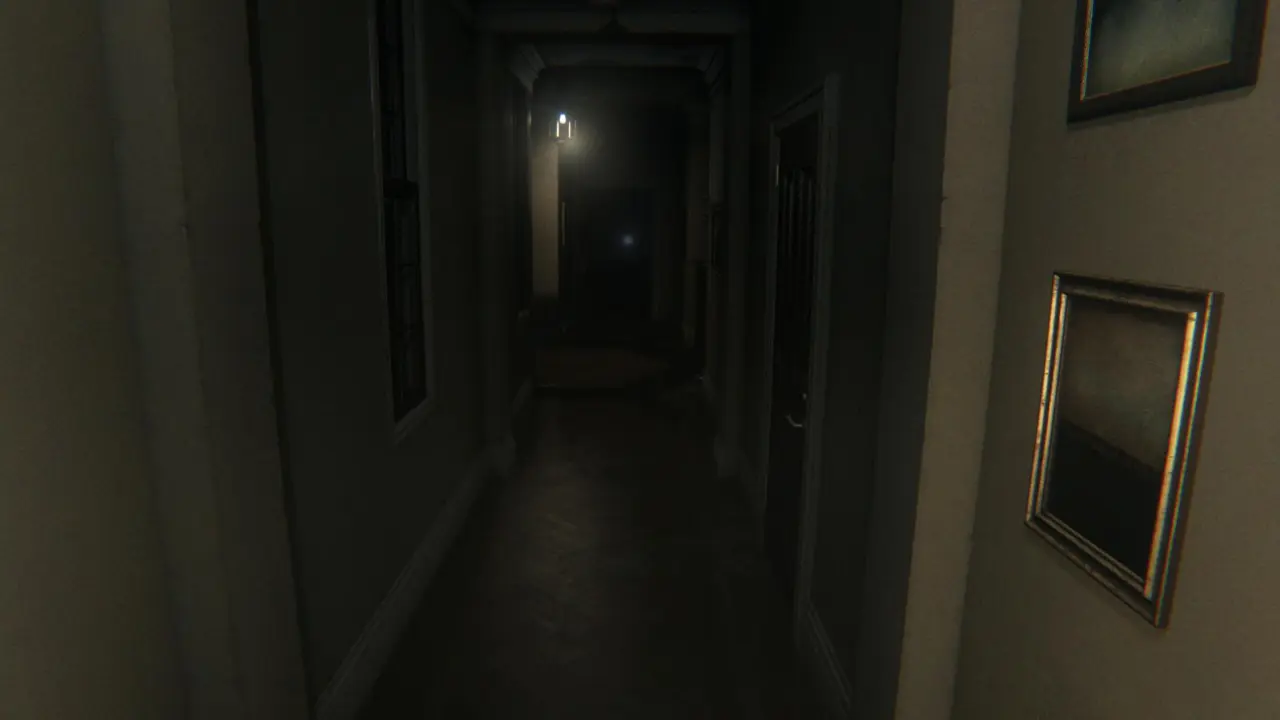
A fan-made port of P.T. brings Hideo Kojima's canceled Silent Hills demo to native Windows, offering PC players access to the iconic horror experience without relying on emulation. This development matters because it provides a stable, high-performance alternative to existing emulator solutions, allowing users to run the game at higher frame rates with modern upscaling technologies. Users seeking an alternative to PlayStation 4 emulation can now test a version that aims to replicate the original console behavior using modern graphics APIs.

Native Windows prototype uses C++ and Vulkan for high performance
Developer LoreanXavier built this project using C++ and the Vulkan rendering API, explicitly avoiding emulator or wrapper middleware. The team reverse-engineered the original PlayStation 4 executable file to recreate the game logic and rendering pipeline from scratch. Operating as a native Windows application rather than a translation layer typically reduces overhead and improves hardware compatibility. LoreanXavier emphasizes that this is neither an emulator nor a remake, but a direct recreation of the original code.
The technical implementation focuses on accuracy and performance, with the developer verifying 1-to-1 visual fidelity by comparing rendered frames against recordings from the shadPS4 emulator. During the process, the team identified and fixed a texture streaming bug present in the shadPS4 emulator, improving visual stability for the port. The project supports frame rates above 60 FPS and integrates AMD FSR 3.1 upscaling technology, allowing users to scale the resolution for better performance on various hardware configurations.
LoreanXavier states that the project avoids copyright infringement by requiring users to provide their own game assets, as the distribution archive does not include the original image files. The developer's legal approach assumes that providing only recreated code and logic, without protected intellectual property, mitigates infringement risks. The developer has not confirmed a release date, and no pricing information is available for this community-driven project. Users interested in testing the port will need to source the necessary assets independently to complete the installation.
The port demonstrates notable technical progress in preserving canceled gaming projects through reverse engineering. Bypassing emulation layers allows the project to demonstrate how native ports can provide improved performance and stability for legacy titles. The Vulkan-based implementation offers a reference point for developers interested in porting PlayStation 4 software to modern Windows systems. As a prototype, the project's long-term viability depends on the continued efforts of the developer and the community.
Source: IXBT

Discussion
0 comments