NVIDIA is releasing a new version of its DLSS technology that significantly reduces the computational burden on graphics cards. This update matters because it allows games to run at higher frame rates without requiring more expensive hardware or sacrificing visual clarity. Players with current-generation GPUs can now access improved performance through a software update rather than a new purchase.
NVIDIA shrinks model size and cuts VRAM usage by 20% at 4K resolution
The DLSS 5 update introduces a 3D-Guided Neural Rendering model that shrinks the parameter count to 118 million. This represents a 24% reduction in the model size compared to the previous September version. NVIDIA states that the performance of this new model is improving by two times compared to earlier iterations. The update also cuts virtual memory usage by 20% at 4K resolution.
These technical changes result in a 50% reduction in GPU load compared to the previous DLSS version. NVIDIA App beta users can enable a new Preset C for Frame Generation to boost performance in DLSS Frame Generation, Multi Frame Generation, and Dynamic Multi Frame Generation. This preset is available for both RTX 40 and RTX 50 series graphics cards.
In testing on an RTX 5080, NBA 2K27 reached 300 FPS at 4K with DLSS 5, up from 240 FPS with the previous version. The game uses DLSS Performance Mode and MFG X6 for these results. NVIDIA confirmed that 2K Games will release the DLSS 5 update for NBA 2K27 on October 16. We do not have real performance numbers for DLSS 5 without MFG X6, so the standalone gains remain unclear.
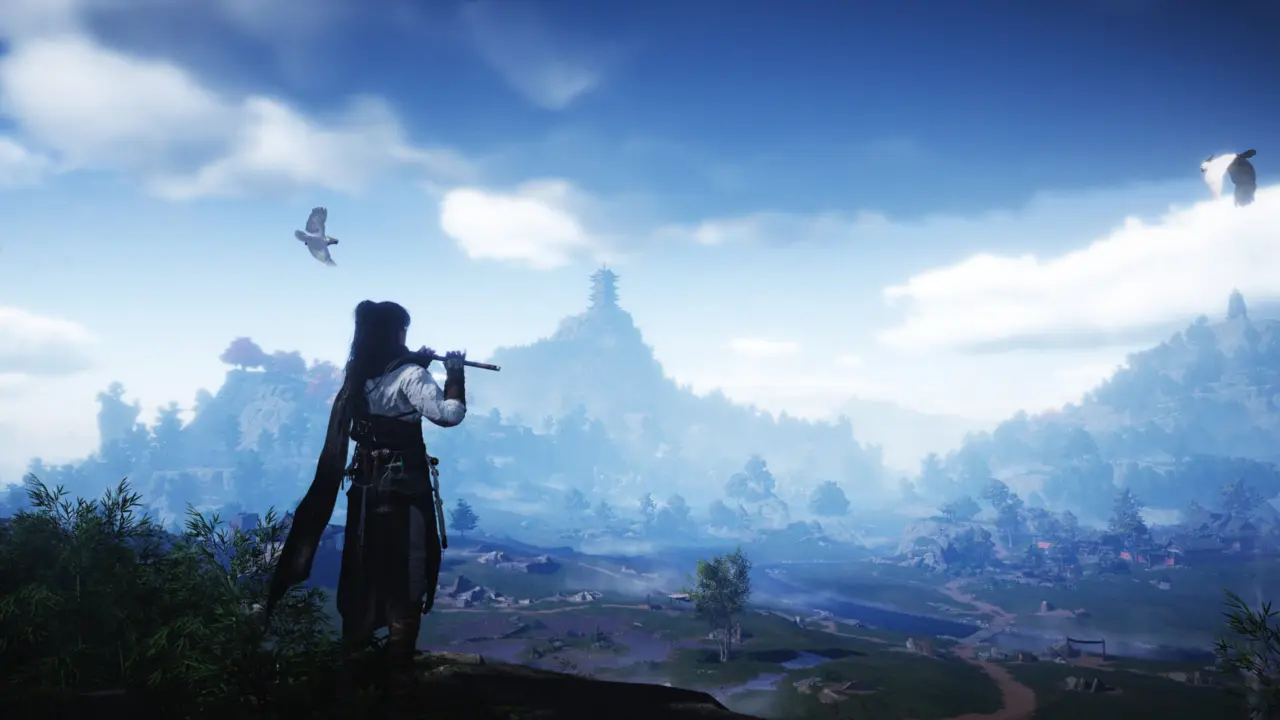
Hogwarts Legacy will receive DLSS 5 support on November 5, and Where Winds Meet will get it later in November. NVIDIA announced these titles will be the first to feature the new technology this month. A modder recently demonstrated that DLSS 5 can also work on legacy software like DOS Doom. This confirms the technology's flexibility across different game engines and eras.
NVIDIA is rolling out DLSS 5 to major titles starting in mid-October and November. The update focuses on reducing computational overhead while maintaining image quality. Gamers can expect higher frame rates on supported hardware through these software patches.

Discussion
0 comments