Memory costs for PC builders are climbing again after a long period of stability, and the trend shows no signs of slowing down. Buyers relying on older DDR4 platforms face higher component prices as supply constraints tighten across the industry. This shift impacts anyone planning a budget build or upgrading a system with standard DRAM modules.
Legacy memory costs surge as AI chip production consumes wafer capacity
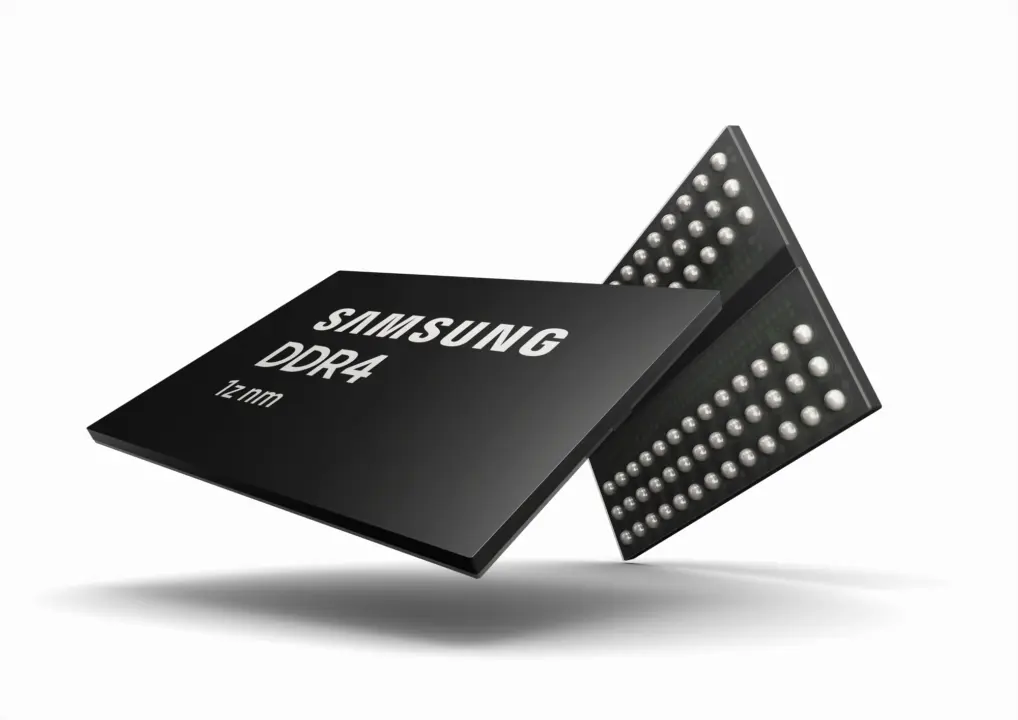
TrendForce reports that the average contract price for a standard 8Gb DDR4 DRAM chip reached $25 in August 2026. This figure represents a 4.17% increase from the previous month and marks a significant departure from historical pricing levels. The data highlights how legacy memory markets are reacting to current semiconductor production realities.
- Average contract price (8Gb DDR4): $25
- Price increase vs June 2016: 8.6x
- August price increase: 4.17%
- Q3 Price Forecast Increase: 18–23%
- Global Laptop Shipments Forecast (2026): -10.5% YoY
Current prices stand at approximately 8.6 times the levels seen in June 2016, reflecting a decade-long structural shift in memory economics. HBM demand for AI accelerators is consuming wafer capacity, which squeezes conventional DRAM supply and drives up costs for standard chips. PC manufacturers are building inventories of over 10 weeks to hedge against these persistent supply fears.
The industry has seen DDR4 prices rise for 11 consecutive months from April 2025 through February 2026, establishing a clear upward trajectory. TrendForce has raised its forecast for PC DRAM contract prices in the third quarter to an 18–23% increase. These figures suggest that cost pressures will continue to affect system pricing well into the fall.
We looked at DDR4 pricing trends earlier while tracking semiconductor market shifts. The data confirms that legacy memory is no longer a cheap commodity, and builders should expect continued price volatility. System costs will likely reflect these component increases as manufacturers adjust their bills of materials.

Source: NotebookCheck