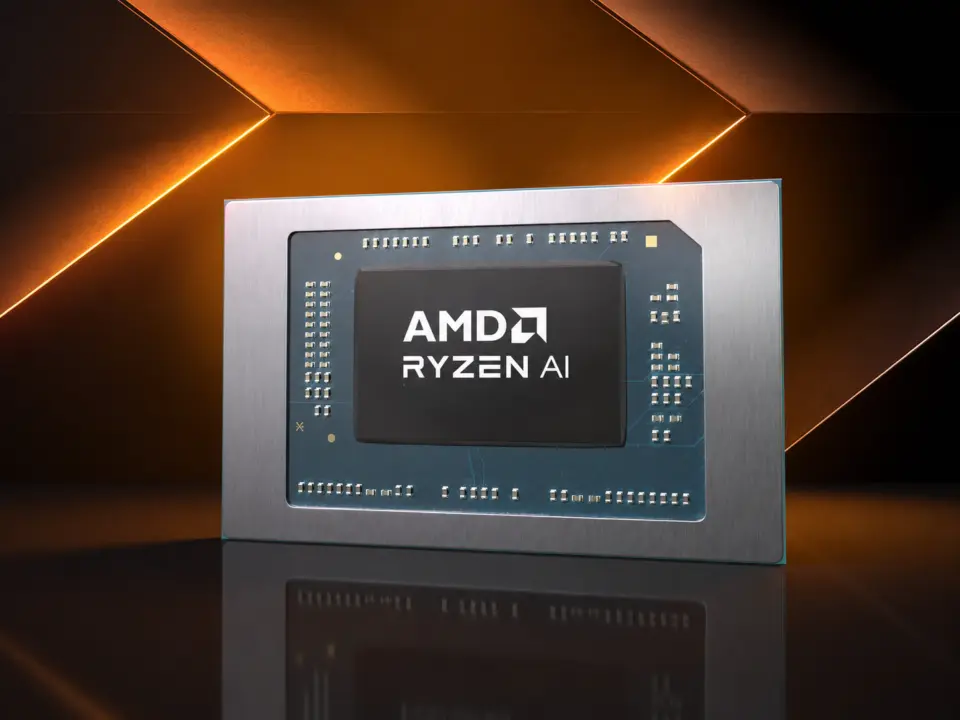
AMD’s next-generation Zen 6 mobile processors are showing their teeth in early benchmark leaks, and the single-core numbers are worth watching. The Medusa Point engineering sample hits a Geekbench single-core score of 3,174, which marks a clear step up from the current Ryzen AI 9 465. The improved single-core performance indicates that future thin-and-light laptops may handle everyday tasks and light workloads more quickly than current models. Users seeking responsive performance in portable devices may find these early benchmark results relevant.
Engineering sample scores 11 percent higher than current Ryzen AI 9 465 in single-core tests
The chip we are looking at carries the engineering sample ID 100-000001713-33_N and runs on a 10-core configuration. AMD has arranged these cores in a 4-plus-6 layout, which likely combines high-performance Zen 6 cores with efficiency-focused clusters. The specific product name is not officially confirmed, but the specifications strongly imply this is the Ryzen AI 9 565. The specifications suggest the chip is positioned within the upper tier of AMD’s upcoming AI-focused mobile lineup.
Medusa Point Specifications
- CPU Architecture: Zen 6
- Core Configuration: 10 cores (4+6 layout)
- Clock Speed: 2.0 GHz
- Geekbench Single-Core Score: 3,174
- Geekbench Multi-Core Score: 15,092
The clock speed is a notable aspect of these benchmark results. The processor is running at a relatively low 2.0 GHz during these tests, yet it still delivers strong performance. The single-core score of 3,174 represents approximately an 11 percent improvement over the Ryzen AI 9 465, which scored 2,857 at the same task. The results suggest that the new Zen 6 architecture delivers improved performance per clock cycle.
Multi-core performance shows a different trend compared to single-core results. The Medusa Point sample scored 15,092 in multi-core tests, which is only negligibly better than the 14,315 achieved by the Ryzen AI 9 465. The six-core cluster may contain a mix of Zen 6c and low-power Zen 6 cores, which could explain why the multi-core gains are not as dramatic as the single-core leap. Higher clock speeds or optimized software may be required to fully utilize the core count in final products.
These benchmarks come from the Geekbench database and were shared by leaker 9550pro. The benchmark data demonstrates Zen 6 performance capabilities, though final product specifications may change before launch. AMD has not yet released official pricing or availability dates for the Medusa Point lineup. The observed single-core efficiency gains may influence competitive dynamics in the upcoming year.
Source: NotebookCheck