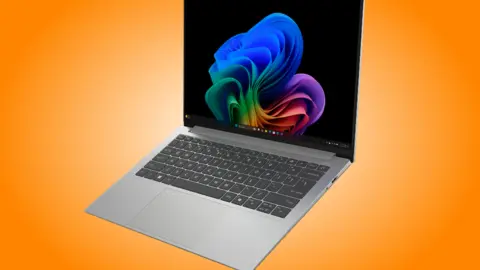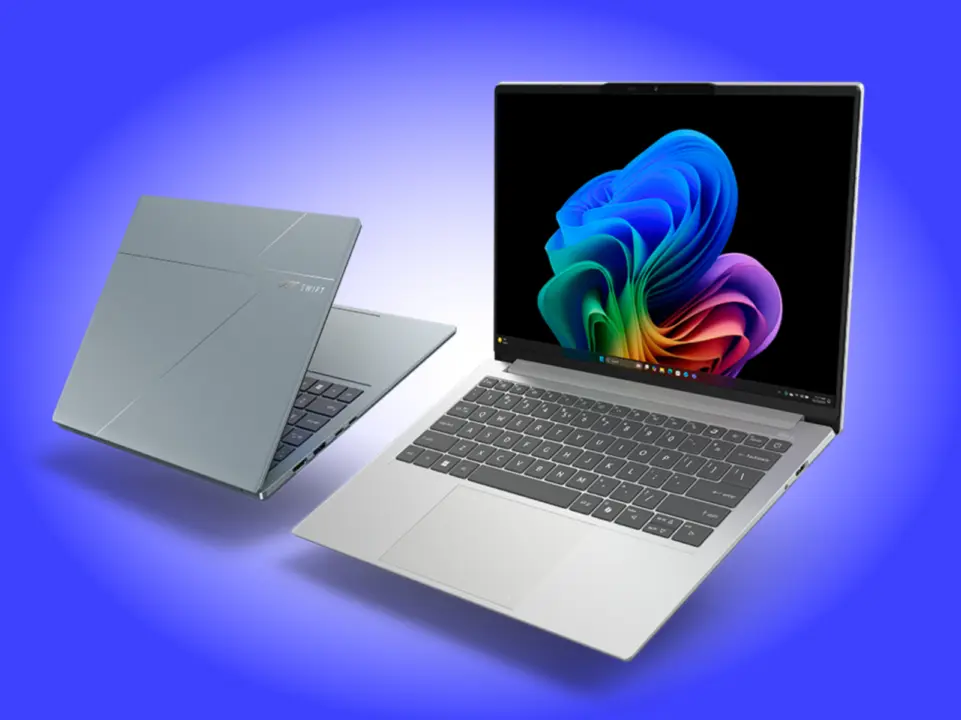
Acer has released the Swift Go 14 laptop internationally, bringing a lightweight OLED option to European and UK markets. The laptop appeals to buyers who prioritize portability and screen quality without paying for premium weight. The device joins a crowded segment of thin-and-light laptops, with features that may suit travelers and remote workers. International launches provide context for comparing global pricing and availability to domestic releases.
Lightweight laptop ships in Europe and UK with Core Ultra processors
The laptop, identified as model SFG14-I71, arrives with a 14-inch 1200p 60 Hz OLED display across all configurations. Acer designed the chassis to weigh just 1.12 kg, with dimensions of 310 x 218.9 x 15.6 mm. The Swift Go 14 offers a portable alternative to heavier performance machines. The OLED panel offers high contrast, which is suitable for users who consume media or work with visual content.
Specifications
- Model: Swift Go 14 SFG14-I71
- Weight: 1.12 kg
- Dimensions: 310 x 218.9 x 15.6 mm
- Battery: 71 Wh
- Battery Life Claim: up to 22 hours
Under the hood, the Swift Go 14 offers a range of Intel Core Ultra processors. The base configuration includes a Core Ultra 5 325 processor with 16 GB of RAM and a 512 GB SSD. Mid-tier buyers can opt for the Core Ultra 7 355, which retains the same 16 GB memory setup. Top-end models feature the Core Ultra 9 386H, paired with 32 GB of RAM and a 1 TB SSD. These options allow users to scale performance based on their specific workload needs.
Connectivity on the Swift Go 14 includes dual Thunderbolt 4 ports, dual USB 3.2 Type-A ports, an HDMI 2.1 port, and a 3.5 mm audio jack. The device houses a 71 Wh battery, which Acer claims can last up to 22 hours on a single charge. The claimed battery life supports extended use away from a power outlet. The port selection supports compatibility with a wide range of peripherals and displays.
Pricing for the Swift Go 14 starts at 1399 EUR (around $1,599) in Europe for the base model with the Core Ultra 5 325. In the UK, the mid-tier Core Ultra 7 355 model costs 1199 GBP (around $1,607). The top-tier Core Ultra 9 386H configuration is priced at 1899 GBP (around $2,545). The listed prices correspond to the international launch, with availability currently limited to Europe and the UK.
The Swift Go 14 is not currently listed on Acer's US store, despite earlier indications of a global release at CES 2026. The device is not currently available in the US, with no official release date announced. We looked at Acer Predator Helios Neo 18 PHN18-I71 in our earlier Acer coverage while tracking similar launches. For now, the Swift Go 14 remains an international offering with confirmed specs and pricing in Europe and the UK.
Source: NotebookCheck