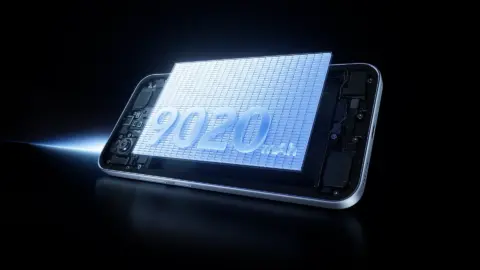
The cost of memory chips has surged dramatically, fundamentally altering the economics of modern smartphone manufacturing. RAM and storage modules now consume more than half of a phone’s total bill of materials, according to Nothing CEO Carl Pei. This shift means component prices for memory are driving device costs higher than ever before.
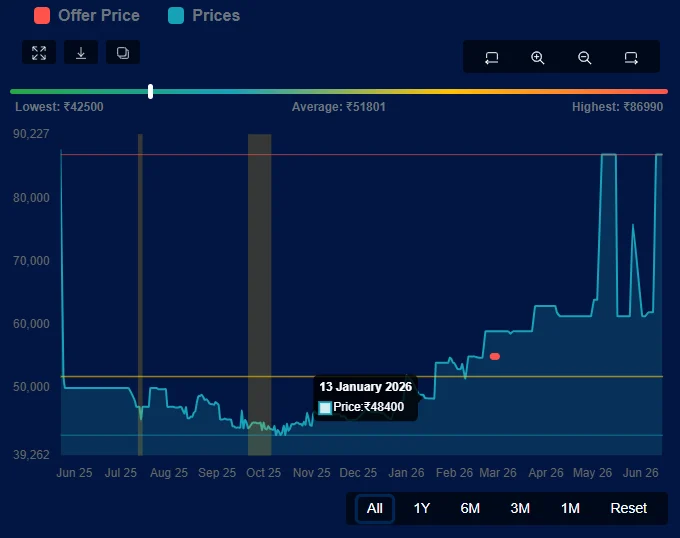
Memory modules drive device costs higher as AI demand pushes DRAM prices up 30 percent in 2026
Nothing recently launched its Phone (4a) and Phone (4a) Pro models in March. The company adjusted the pricing for these devices shortly after their release due to rapid changes in market conditions. These models join a broader industry trend where manufacturers are struggling with rising component expenses.
A sharp increase in global demand for artificial intelligence hardware has pushed DRAM prices up by 10 to 30 percent in 2026. This supply chain pressure has forced smartphone makers to absorb significantly higher costs for memory modules. The price hikes have been particularly severe for budget and mid-range devices that rely on standard components.
Smartphones launched since February are now approximately $100 more expensive than their predecessors. Nothing increased the prices of its Phone (4a) lineup shortly after the March launch to reflect these new realities. Pei noted that memory costs literally doubled between the initial design decision and the final launch date for his company’s devices.
Pei advised consumers who are considering upgrading their phones that the best time was yesterday and the second-best time is right now. He emphasized that delaying an upgrade will likely result in even higher prices as component costs continue to rise. The industry faces a difficult period where hardware expenses are outpacing typical consumer expectations.
Source: Nothing CEO, GIZMOCHINA