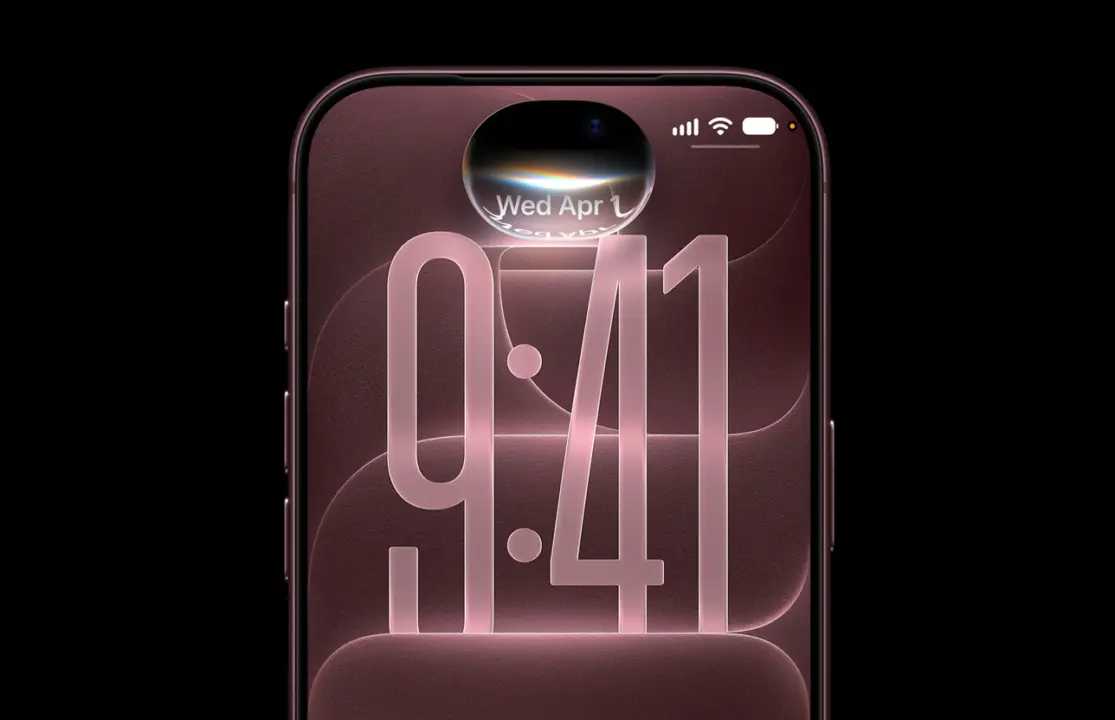
Apple faces scrutiny over display quality changes in the iPhone 18 Pro as independent testing reveals noticeable color shifts at viewing angles that previously remained stable. This regression affects how users perceive images when holding the phone at typical angles, marking a departure from the consistency seen in the iPhone 17 Pro. Users who depend on precise color accuracy for photo editing or media consumption may perceive the shift in hue right away.
Independent testing reveals color shifts at 20 degrees off-axis on the Samsung OLED panel
The display panel in the iPhone 18 Pro uses a Samsung G9N OLED unit, which shares its model number with the previous generation but exhibits different optical behavior. Testing by the channel Poorplayer shows that the Just Noticeable Color Difference (JNCD) metric reaches a threshold of 1.0 at approximately 20 degrees off-axis. In contrast, the iPhone 17 Pro maintained better color fidelity at these small angles, indicating a change in the panel's tuning or manufacturing process.
- Display Panel: Samsung G9N OLED
- Color Accuracy Metric: JNCD reaches 1 at ~20 degrees off-axis; peaks near 3.0 at 35-40 degrees
- Color Shift Direction: Stronger shift toward green compared to iPhone 17 Pro
- OLED Panel Cost: $66.50 – $70 per unit
The color drift trajectory for the iPhone 18 Pro shows a stronger shift toward green compared to the previous generation. JNCD values climb to a peak near 3.0 at viewing angles between 35 and 40 degrees. The data indicates that color stability diminishes faster at off-axis angles, which is typical during one-handed viewing.
Cost reductions in the display supply chain may explain these quality changes. The Elec reports that Apple negotiated OLED panel costs down to between $66.50 and $70 per unit for the iPhone 18 Pro Max. This represents a significant price cut compared to the previous generation, though no source has directly confirmed that lower pricing caused the display regression. The iPhone 18 Pro starts at $1,199 in the US.
Storage components also show variation across the product line. Independent testing by the channel Homolab found that the 1TB and 2TB models of the iPhone 18 Pro Max use slower QLC NAND from SK Hynix. Lower capacity models retain faster TLC NAND. Results from third-party testing may vary between production batches, so consistency across all units remains unconfirmed.
Source: NotebookCheck

Discussion
0 comments