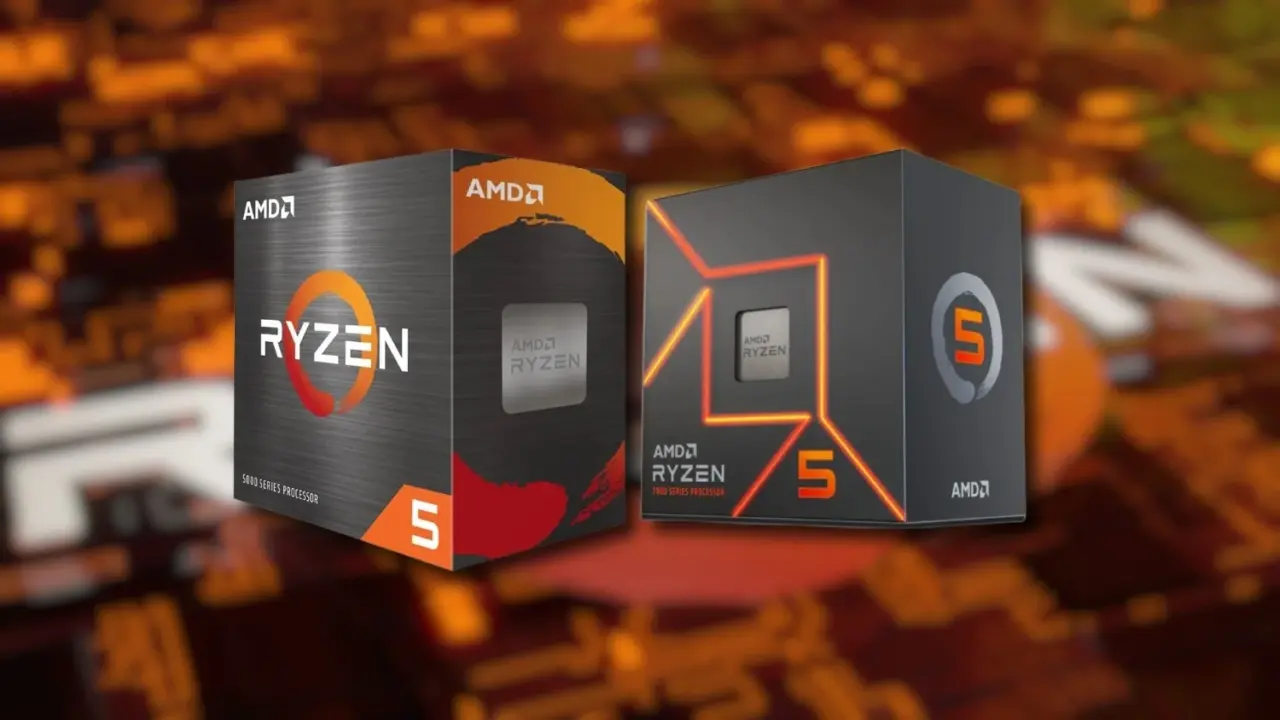
AMD has expanded its budget processor lineup with two new chips designed to keep entry-level gaming PCs affordable. These releases give buyers cheaper ways to build systems without sacrificing core performance. The move targets users who need reliable hardware but want to keep costs down. This addition matters because it offers fresh options for budget builds in a market where prices can fluctuate.
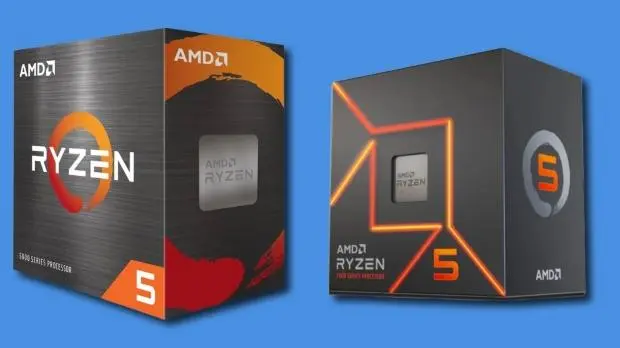
Two new 6-core processors target budget PC builders
The first chip is the Ryzen 5 5500F, which uses the older Zen 3 architecture. It sits on the AM4 platform and offers six cores and twelve threads. The second option is the Ryzen 5 7500, a newer Zen 4 chip for the AM5 platform. Both processors aim to serve the same budget-conscious segment but with different underlying technologies.
Spec comparison
| Spec | Ryzen 5 5500F | Ryzen 5 7500 |
|---|---|---|
| Architecture | Zen 3 | Zen 4 |
| Boost Clock | Up to 4.4GHz | Up to 5GHz |
| L3 Cache | 16MB | 32MB |
| Integrated Graphics | None | RDNA 2 |
| Price | $99 | $189 |
The Ryzen 5 5500F runs at a base clock of 3GHz and boosts up to 4.4GHz. It includes 16MB of L3 cache and carries a 65W thermal design power. AMD uses a multi-chiplet design for this part, which resembles a cutdown version of the Ryzen 5 5600. The Ryzen 5 7500 features a higher boost clock of up to 5GHz and 32MB of L3 cache. It also integrates RDNA 2 graphics with two compute units running at 2.2GHz.
Both processors are available for purchase in the US market. The Ryzen 5 5500F is priced at $99 USD (around $99.00). The Ryzen 5 7500 is listed at $189 USD (around $189). These prices make them attractive entry points for new PC builders. The 5500F appeals to those sticking with older platforms, while the 7500 offers a path to newer AM5 systems.
We looked at earlier Ryzen 5000 series chips while tracking AMD's budget strategy. The 5500F continues the trend of offering viable options for the long-lived AM4 socket. The 7500 provides a complete package with integrated graphics, unlike the 7500F model. These chips fill specific gaps in the current lineup for different user needs.
Source: AMD, TweakTown

Discussion
0 comments