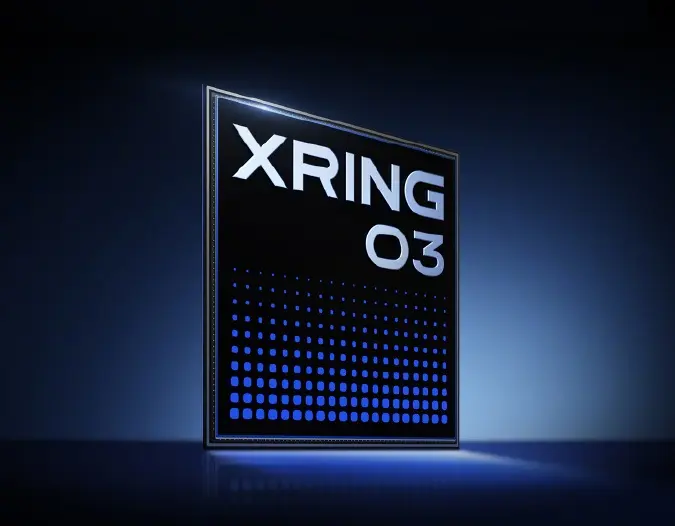
Xiaomi has unveiled the Xring O3, a new flagship system-on-chip designed to power its upcoming mobile devices. This release matters because it signals a major leap in processing power for the company's next generation of smartphones and foldables. Buyers looking for high-end Android hardware should watch this closely as it sets a new performance baseline for the brand.
Early prototype tests reveal significant performance gains
The Xring O3 serves as the central processor for Xiaomi's future devices, including the upcoming Mix Fold Next Gen. This chipset replaces the previous Xring O1 and aims to compete directly with Qualcomm's Snapdragon 8 Elite Gen 5 and Apple's A20 Pro. The device integrates a 10-core CPU architecture to handle demanding mobile workloads.
- Geekbench Single-Core Score: 3,854
- Geekbench Multi-Core Score: 15,086
- CPU Core Count: 10
- 3DMark Steel Nomad Light Performance: 40% higher than current-gen flagship chipsets
- Manufacturing Process: TSMC N3P
Early benchmark results show the Xring O3 achieving a Geekbench single-core score of 3,854. The same processor reached a multi-core score of 15,086 on the 10-core CPU configuration. These tests were conducted on a prototype machine, so the results may be optimistic compared to final retail units.
The chipset is built on TSMC's N3P manufacturing process, which supports improved energy efficiency. Performance claims indicate the GPU delivers up to 90% higher graphics performance than the Xring O1. The chip also reportedly offers better efficiency than Qualcomm's Snapdragon 8 Elite Gen 5 during similar workloads.
We've been tracking Xring O3 closely — see our earlier coverage on Xiaomi Mix Fold Next Gen to. The company has not yet announced official pricing or a release date for devices using this silicon. Current data relies on prototype testing rather than verified retail performance.
Xiaomi's Xring O3 represents a significant step up in raw performance for its mobile lineup. The chipset targets the high-end smartphone market with a focus on speed and efficiency. Final performance figures will depend on how the prototype results translate to mass-produced devices.
Source: NotebookCheck