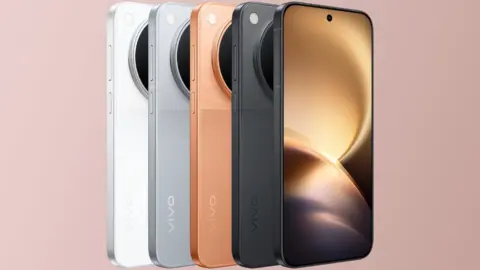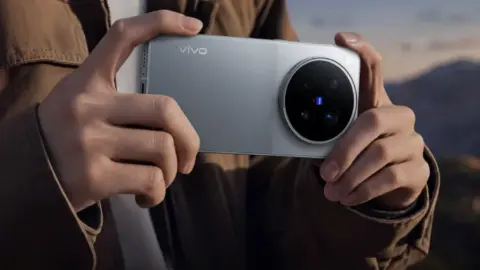
Vivo is shifting its smartphone camera strategy from chasing raw megapixel counts to prioritizing consistent video quality, a change that directly impacts how users capture footage in low light. The company’s product manager, Han Boxiao, revealed that the upcoming Vivo X500 Pro Max will feature a stabilization system designed to eliminate the trade-offs between shutter speed and image clarity. This focus on stability matters because shaky or dark video clips are often unusable, whereas better stabilization allows for slower shutter speeds that let more light reach the sensor without introducing blur.
New stabilization system doubles range for better low-light video
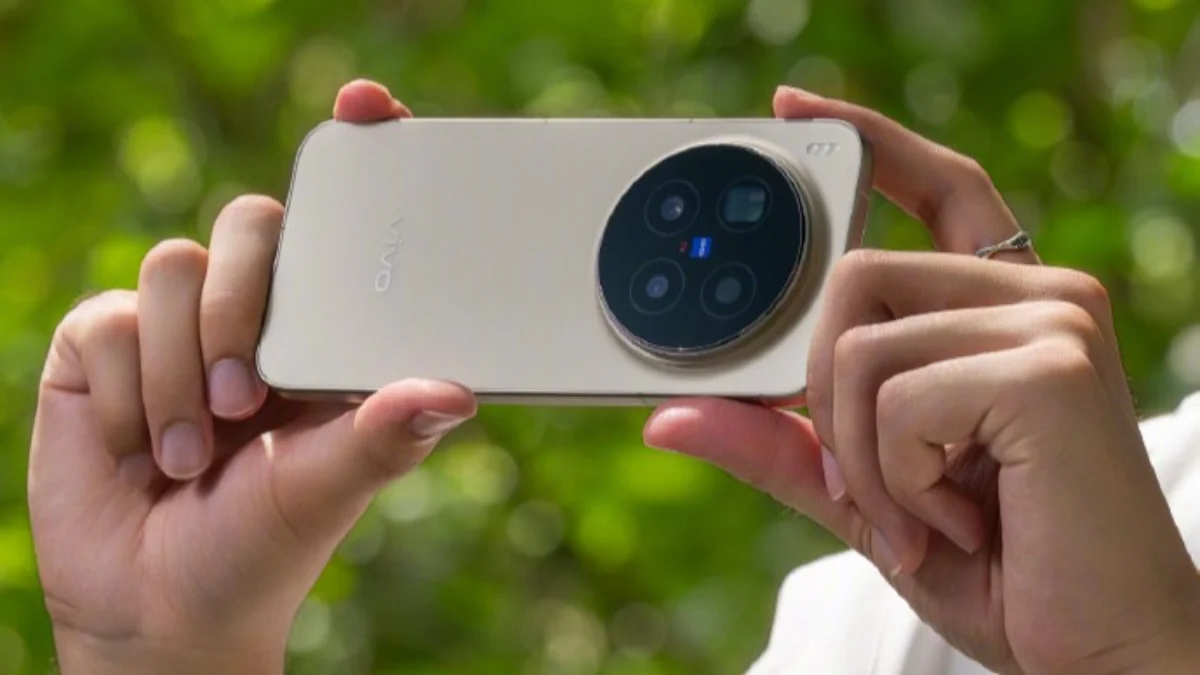
The Vivo X500 Pro Max joins the X500 and X500 Pro in a lineup scheduled to launch globally in September. At the heart of the device is a 50MP main sensor that Vivo has branded as the Zeiss Ultra Dynamic Main Camera. This sensor is reportedly developed in collaboration with Sony, though that partnership detail comes from source claims rather than official confirmation. The camera system pairs this sensor with a new stabilization mechanism to handle the demands of modern mobile videography.
Specifications
- Stabilization System: 3-degree wide-angle, gimbal-level stabilization
- Stabilization Range: Twice that of last year's model
- CIPA Rating: 7.0
- Main Sensor: 50MP
- Sensor Branding: Zeiss Ultra Dynamic Main Camera
Vivo describes the stabilization technology as a 3-degree wide-angle, gimbal-level system that operates on the main camera. Han Boxiao states that this new system offers twice the stabilization range of the previous year's model. Despite the aggressive new mechanics, the device retains a CIPA 7.0 stabilization rating for still photography. The company aims to use this mechanical advantage to reduce noise and smearing in low-light conditions by keeping the sensor steady for longer exposures.
Han Boxiao emphasized that while photos allow users to take multiple shots and select the sharpest one, video does not offer that luxury. He noted that if even one second of footage is shaky or too dark, the entire clip can become useless. Vivo is therefore focusing on improving the consistency of its camera performance rather than just increasing specification numbers. This approach suggests a practical benefit for users who record frequent video content in challenging lighting environments.
We have been tracking Vivo X500 Pro Max closely and reviewed the Vivo X500 Pro Max leak reveals earlier this week. The confirmed details point to a September release for the X500, X500 Pro, and X500 Pro Max models. Buyers should expect a focus on video stability and low-light performance rather than a simple megapixel bump in this generation.
Source: GIZMOCHINA