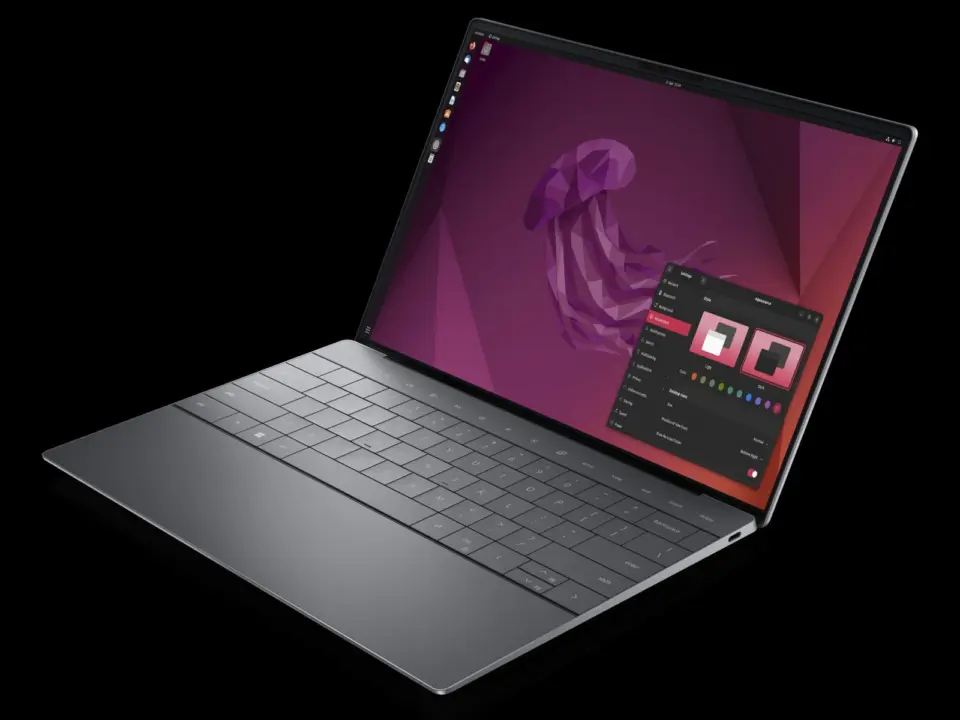
Ubuntu is seeing its fastest growth on Windows, not Linux, which changes how developers access Linux tools. This shift matters because enterprise teams increasingly rely on Windows for daily work while needing Linux environments for AI and machine learning tasks. Canonical now expects more users to run Ubuntu through Windows Subsystem for Linux than to use the traditional desktop version.
Canonical executive notes WSL installation growth significantly outpaces native desktop usage
Jon Seager, the vice president of engineering at Canonical, highlighted this trend in a recent interview. He noted that WSL installation numbers are growing at a significantly higher rate than native desktop usage over the past year. This growth pattern suggests a structural shift in how the operating system is deployed in professional environments.
The Windows Subsystem for Linux allows developers to run Linux command-line tools and applications directly on Windows. Users do not need to dual-boot their machines or set up separate virtual machines to access these capabilities. This integration removes the friction that previously forced developers to choose between their preferred Windows workflow and Linux-based tooling.
Enterprise developers drive this adoption by needing Linux for AI and machine learning projects while keeping Windows for standard office work. Canonical has not released current figures to confirm that WSL installations have officially surpassed native Ubuntu installations, though Seager predicted this outcome months ago. The prediction was made before recent data could be fully aggregated.
We have been tracking Ubuntu closely and previously covered how Ubuntu serves as a base for other distributions like Quarkos 26.04. Canonical continues to refine its integration with Microsoft Windows to support this expanding developer base. The company is prioritizing the WSL experience as a primary vector for Ubuntu adoption in the enterprise sector. We've been tracking Ubuntu closely — see our earlier coverage on Quarkos 26.04 Linux Release Brings KDE.
Source: NotebookCheck