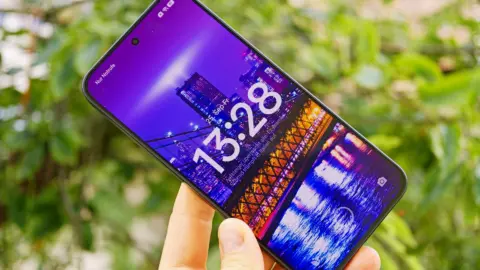
Xiaomi is preparing the Redmi Note 17 series for global markets, and the changes matter because the company is swapping out hardware features to fit international expectations. Buyers should care because the standard and Pro models are losing battery capacity in exchange for better cameras and faster processors. These adjustments indicate that the global launch prioritizes display and camera improvements over maximum battery capacity.
Xiaomi swaps battery capacity for better cameras and processors in global Redmi Note 17 series
The lineup includes the Redmi Note 17, the Note 17 Pro, and the Note 17 Pro Max, each targeting different segments of the mid-range smartphone market. The standard model relies on a 6.99-inch AMOLED display with a 120 Hz refresh rate and a peak brightness of 1,800 nits. It runs on either the Snapdragon 6s 4G Gen 2 for 4G connectivity or the Snapdragon 4 Gen 4 for 5G networks.
Spec comparison
| Spec | Redmi Note 17 | Redmi Note 17 Pro | Redmi Note 17 Pro Max |
|---|---|---|---|
| Processor | Snapdragon 6s 4G Gen 2 (4G) / Snapdragon 4 Gen 4 (5G) | Snapdragon 6s Gen 4 | Snapdragon 6 Gen 5 |
| Display | 6.99-inch AMOLED, 120 Hz, 1,800 nits | 6.83-inch AMOLED, 120 Hz, 3,500 nits HDR | Not specified |
| Main Camera | 50 MP | 50 MP + 8 MP ultra-wide | Not specified |
| Selfie Camera | 16 MP | 16 MP | 32 MP |
| Battery | 7,700 mAh | 8,340 mAh | 9,210 mAh |
Camera upgrades define the core differences between the models, with the standard Note 17 moving its selfie sensor from 8 megapixels to 16 megapixels. The Pro version replaces its weak 2-megapixel ultra-wide lens with an 8-megapixel sensor and also upgrades its front camera to 16 megapixels. Both the standard and Pro models keep a 50-megapixel main camera, but the Pro adds Gorilla Glass Victus 2 and an IP68 water resistance rating.
Battery sizes have decreased across the board for the international versions, with the standard model dropping to 7,700 mAh and the Pro shrinking to 8,340 mAh. The top-tier Note 17 Pro Max retains a massive 9,210 mAh battery and supports 100-watt fast charging while using the faster Snapdragon 6 Gen 5 processor. We've been tracking Redmi Note 17 closely — see our earlier coverage on Redmi Note 17 Series Leak.
These specifications are based on leaks from Ytechb and reflect changes Xiaomi is reportedly making for the global launch compared to the Chinese release. The Pro Max model appears to share many features with the Pro but distinguishes itself with a 32-megapixel selfie camera and the higher-end chipset. Xiaomi has not yet confirmed these details, so the final hardware may differ when the devices officially ship.

Source: Leak, NotebookCheck