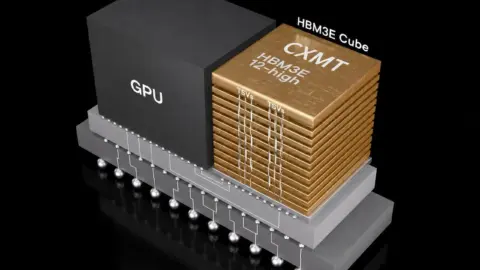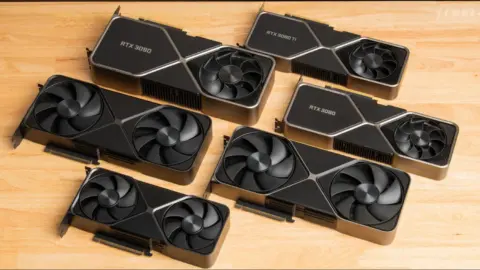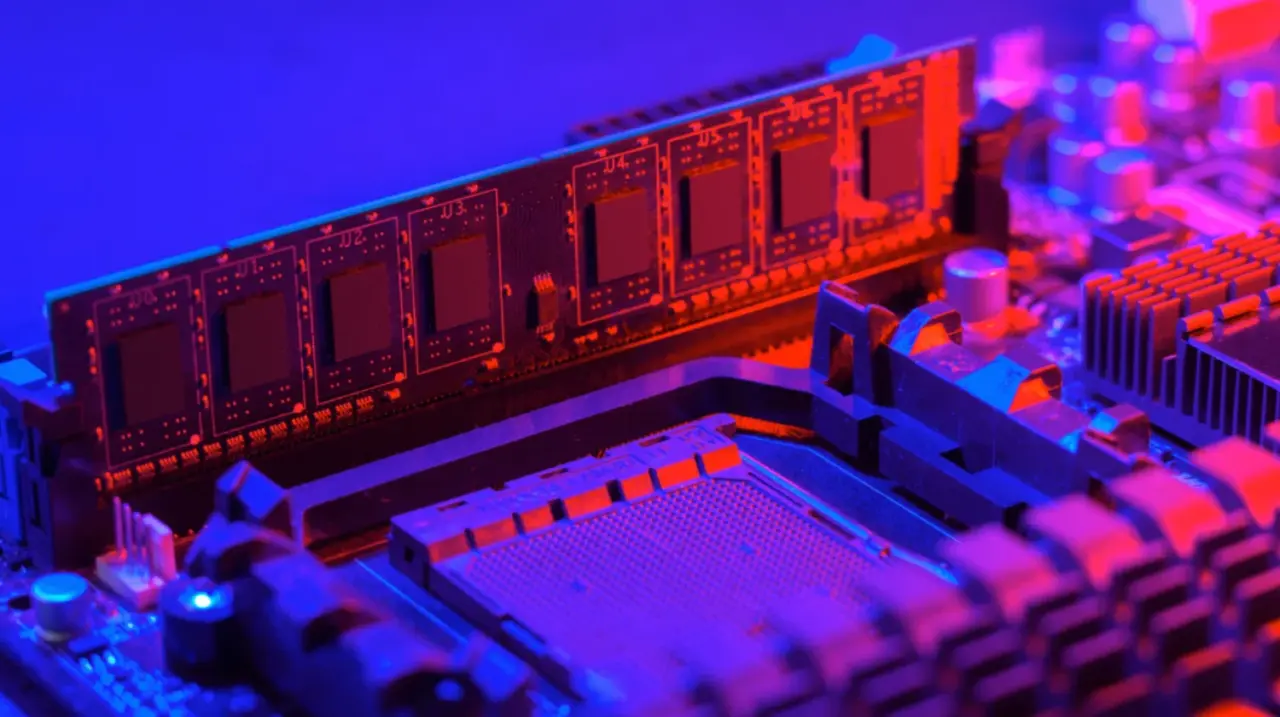
Memory supply is projected to drop by 70% by 2027 as artificial intelligence and data center demand continue to consume global production capacity. This shift matters to PC builders and consumers because it signals a potential future where hardware components become scarce and significantly more expensive. The industry is currently witnessing a reallocation of resources that prioritizes enterprise infrastructure over consumer electronics.
Apacer CEO says securing inventory is now a bigger risk than paying inflated prices
Apacer CEO C.K. Chang has identified securing supply as a greater operational risk for the company than paying inflated prices. He stated that the company will face higher costs in the long run if it does not lock in inventory now. This strategic pivot highlights the severity of the shortage and the proactive measures manufacturers are taking to survive.
Manufacturers are expected to release only 30% of their 2026 supply volume in 2027, creating a massive gap in available hardware. Approximately 60% of DRAM capacity is now directed toward data centers, leaving far less for the consumer market. DDR5 RDIMM server modules are experiencing dramatic price spikes as demand outstrips the limited production capacity.
Apacer has already stockpiled inventory worth $383 million to mitigate the impact of these shortages. Consumer electronics firms are locking in multi-year supply deals to avoid future shortages and stabilize their production lines. These actions reflect a broader industry trend where securing raw materials has become a critical competitive advantage.
The memory market faces a significant contraction driven by AI demand, with supply dropping 70% by 2027. Apacer is mitigating this risk by stockpiling $383 million in inventory and prioritizing supply security over short-term cost savings. Manufacturers are releasing only 30% of previous volumes, and consumer electronics firms are locking in multi-year deals.
Source: TweakTown