NVIDIA RTX 50 series graphics card prices in China have jumped sharply, driven by rising costs for GDDR6 and GDDR7 memory modules. Buyers looking to purchase these new GPUs now face significantly higher entry points than expected at launch. This shift directly impacts the budgeting for PC builders and gamers planning to upgrade their systems in the near future.
Distributor sheets confirm sharp price hikes across the RTX 50 lineup
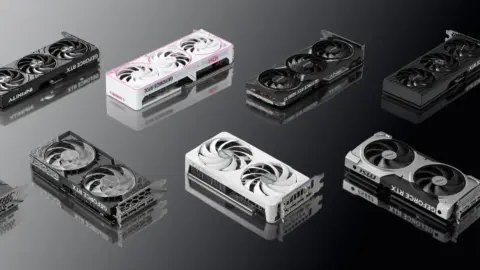
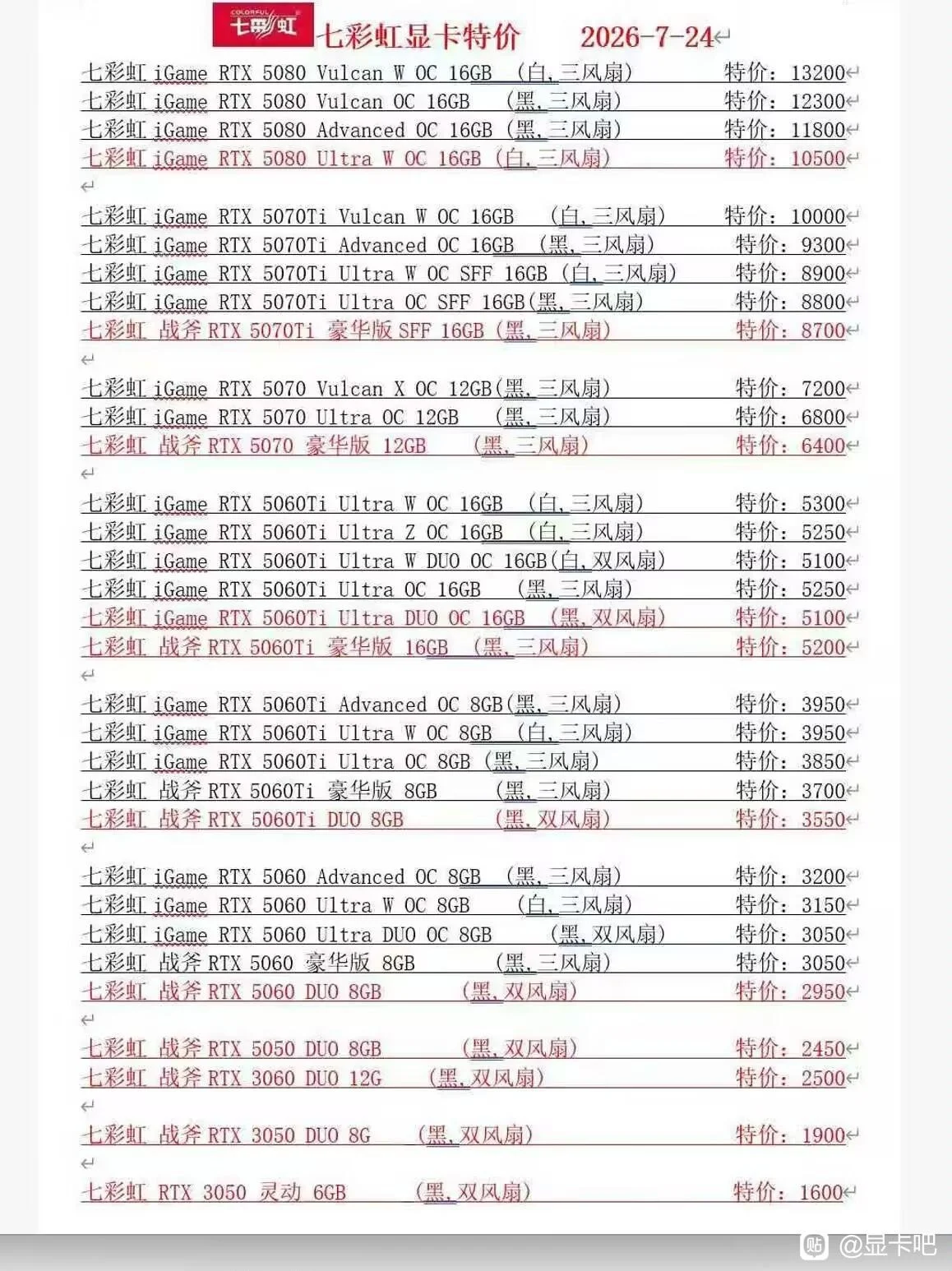
The price hikes affect a wide range of models, including the RTX 5090 D, RTX 5080, RTX 5070 Ti, RTX 5070, RTX 5060 Ti, RTX 5060, and RTX 5050. Distributor sheets from Colorful and MSI, dated July 24th, confirm these new retail figures across the Chinese market. These sheets reflect the immediate impact of component shortages and supply chain pressures on final product pricing.
Spec comparison
| Spec | MSI RTX 5090 D v2 Ventus 3X OC | Colorful RTX 5080 Vulcan W OC 16GB | MSI RTX 5050 Gaming OC |
|---|---|---|---|
| Current Price (CNY) | 25,999 | 13,200 | 2,999 |
| Current Price (USD) | 3,836 | 1,948 | 442 |
| Previous Price (CNY) | 22,999 | N/A | 2,599 |
Memory module prices have risen by an average of $19 to $20, forcing manufacturers to adjust their margins. NVIDIA reportedly sent pricing updates to its AIB partners, mandating increases of $90 for 8GB cards, $130 for 12GB cards, and $175 for 16GB cards. These adjustments also cover non-memory costs such as PCB manufacturing and GPU cooling solutions, further inflating the base cost.
Specific models show substantial increases, with Colorful's RTX 5080 Vulcan W OC 16GB reaching 13,200 CNY (around $1,948). MSI's RTX 5090 D v2 Ventus 3X OC has climbed to 25,999 CNY (around $3,836), up from a previous 22,999 CNY (around $3,393). Even entry-level cards like the RTX 5050 Gaming OC have seen prices rise to 2,999 CNY (around $442).
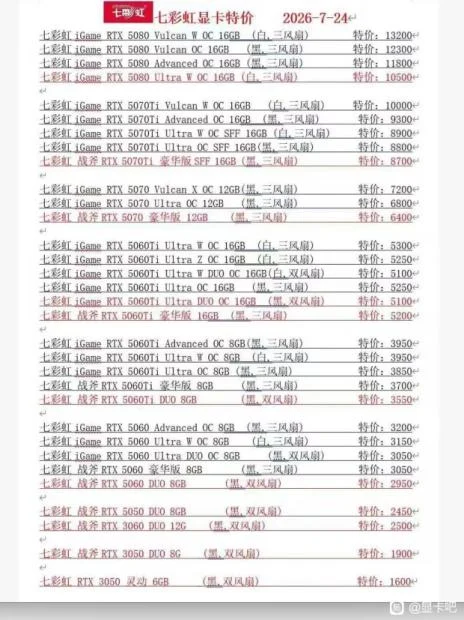
MSI's RTX 50 series cards are currently selling up to 20% higher than their prices from just one week ago. Colorful's RTX 50 series prices have increased up to 60% above the original MSRP according to the latest distributor data. These figures highlight the rapid escalation in hardware costs due to the underlying memory price surge.
Source: TweakTown