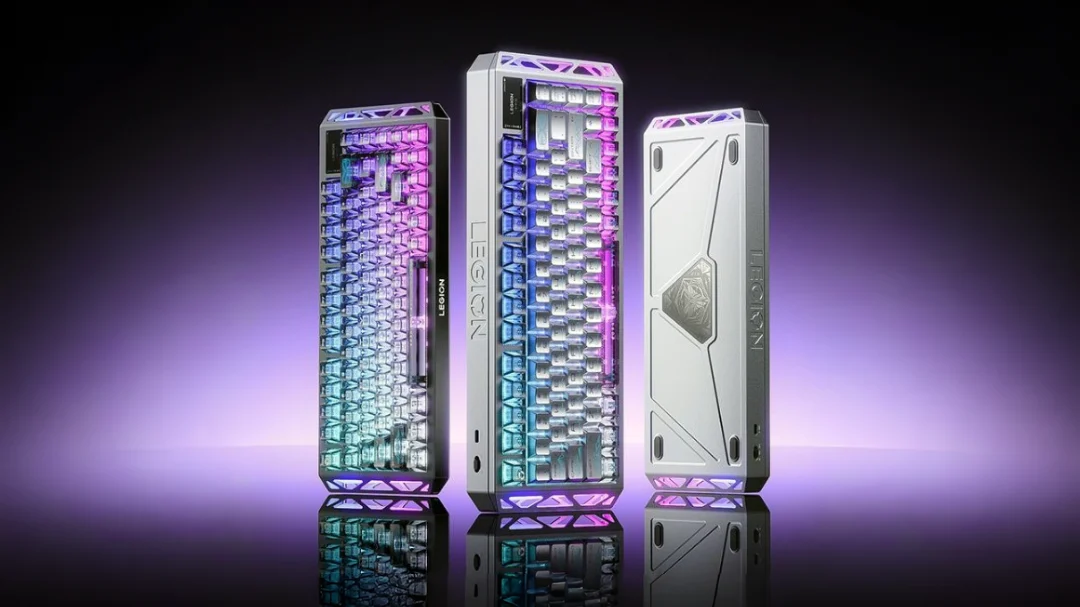
Lenovo introduced the Legion R7 RT75, a gaming keyboard designed for players who prioritize response speed and customization. The device targets competitive gamers by offering magnetic switches with Hall effect sensors, which allow for precise adjustments to key actuation points. This hardware shift matters because it lets users tune their inputs for either faster reaction times or specific tactile preferences, rather than relying on fixed mechanical profiles.
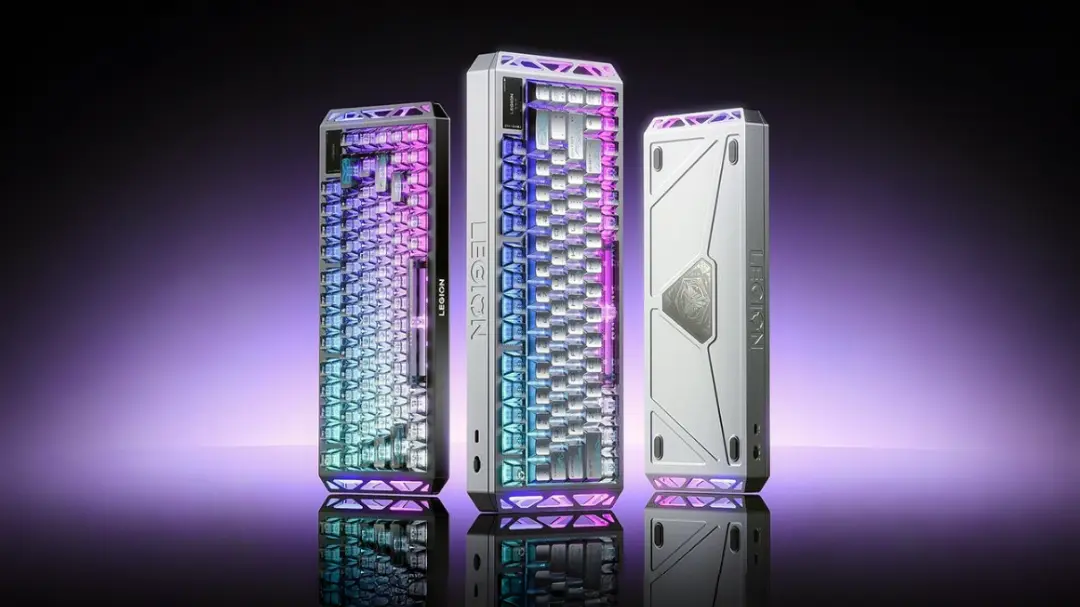
Magnetic switches and tri-mode connectivity define the new gaming peripheral
The keyboard adopts a compact 75% layout, which saves desk space while retaining essential function keys. It features a CNC-machined aluminium body that provides a sturdy foundation for intense gaming sessions. The R7 RT75 connects via tri-mode options, supporting wired USB-C, 2.4GHz wireless, and Bluetooth connections to suit different desk setups.
Specifications
- Layout: 75%
- Switches: Aurora magnetic with Hall effect sensors
- Actuation: 0.01mm to 3.4mm adjustable
- Polling Rate: 8,000Hz
- Battery: 8,000mAh
Under the keys, the Aurora magnetic switches operate with a 32,000Hz scan rate and support an 8,000Hz polling rate. Users can adjust the actuation range from 0.01mm to 3.4mm to match their typing or gaming style. Lenovo claims this configuration keeps full-key latency fluctuation down to 0.125ms, ensuring consistent input registration across the board.
A 1.47-inch TFT display with a 320 x 172 resolution sits on the device to show system information or GIFs. Power comes from an 8,000mAh internal battery, which supports the high-frequency wireless connections. The unit weighs approximately 1,490g and is available in Cloud Silver Grey and Storm Grey color options.
The Legion R7 RT75 is priced at 1,299 YUAN (around $192) CNY (around $192) in China. It is currently available in that region for buyers looking for a high-spec magnetic switch keyboard. At 1,299 YUAN (around $192) CNY (around $192), the keyboard is positioned as an affordable option for gaming peripherals.
Source: Lenovo, GIZMOCHINA