Meta is developing a new pair of smart glasses that records audio and images continuously, a shift that raises immediate privacy questions for anyone nearby. The device, internally codenamed "super sensing," captures content every few seconds and processes it through AI to answer questions in real time. This always-on capability marks a significant departure from the current Ray-Ban Meta glasses, which rely on manual activation and visible indicators to signal recording. Buyers should be aware that this design prioritizes seamless AI interaction over user control and bystander consent.
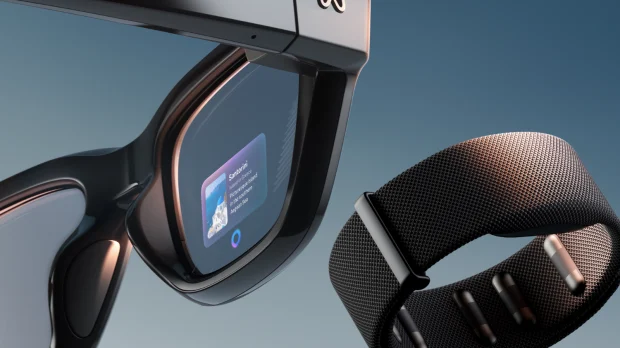
New design removes visual cues for bystanders
The hardware design reportedly eliminates the status LED indicator found on current Ray-Ban Meta glasses, which currently lights up to show when recording is active. Instead of a visible signal, the new system relies on metadata and AI processing to handle the captured content. This change means bystanders will have no visual cue that they are being recorded, a detail that has drawn scrutiny regarding surveillance concerns. The device does not store raw footage or audio, nor does it make that data available to the user, according to reports from The Verge.
Internal project details suggest the system focuses on real-time AI answers rather than local storage of media files. The device captures images every few seconds and records audio continuously, but the raw data is discarded or processed without user access. This architecture aims to reduce privacy risks associated with storing personal recordings, yet the lack of recording indicators remains a point of contention. The design choices reflect a trade-off between convenience for the wearer and transparency for those in the frame.
We looked at Meta Launches $59 Glasses Charging Stand in our earlier Meta coverage, which highlights the company's broader strategy for smart eyewear accessories. The current Ray-Ban Meta glasses use a status LED to signal recording, a feature the new design may eliminate entirely. This removal of visual cues could complicate consent dynamics in public spaces where bystanders cannot easily identify when they are being recorded. The project remains in development, and internal details may change before any potential release.
Meta's next-generation smart glasses aim to blend continuous recording with AI-driven responses, creating a device that is always watching and listening. The absence of raw data storage and visible recording indicators distinguishes this prototype from existing smart eyewear. Privacy advocates and users alike will likely scrutinize these design choices as the project moves forward. The final product will need to balance AI utility with clear consent mechanisms for bystanders.
Source: TweakTown