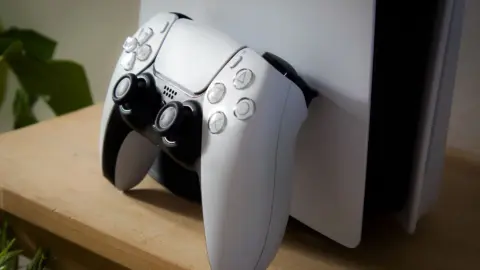
Sony once built a DualShock controller with an entire PlayStation 1 inside it. This prototype aimed to let Brazilian gamers play imported titles without buying a separate console. The device represents a rare hardware experiment that never reached store shelves.
A battery-powered Brazilian market prototype stored games on an SD card
The PlayStation PUGA combined a standard DualShock gamepad with a fully integrated PlayStation 1 system. It relied on batteries for power and stored games on an SD card. The design specifically targeted the Brazilian market to bypass strict import restrictions.
Developers fitted approximately ten games onto a single 4GB SD card. The low manufacturing cost of the controller allowed for a modest royalty fee of roughly 10 cents per unit. This pricing strategy aimed to keep the final product affordable for local consumers.
Brian 'Biscuit' Watson described the prototype as working really well during development. He later revealed that Sony licensing failed to agree on royalty terms for each game. These disputes caused the project to be canceled before any public release.
This hardware concept remains a historical curiosity rather than a commercial product. The prototype highlights Sony's willingness to experiment with form factors for specific regional markets. It stands as a unique example of canceled PlayStation engineering.
Source: Insider Gaming