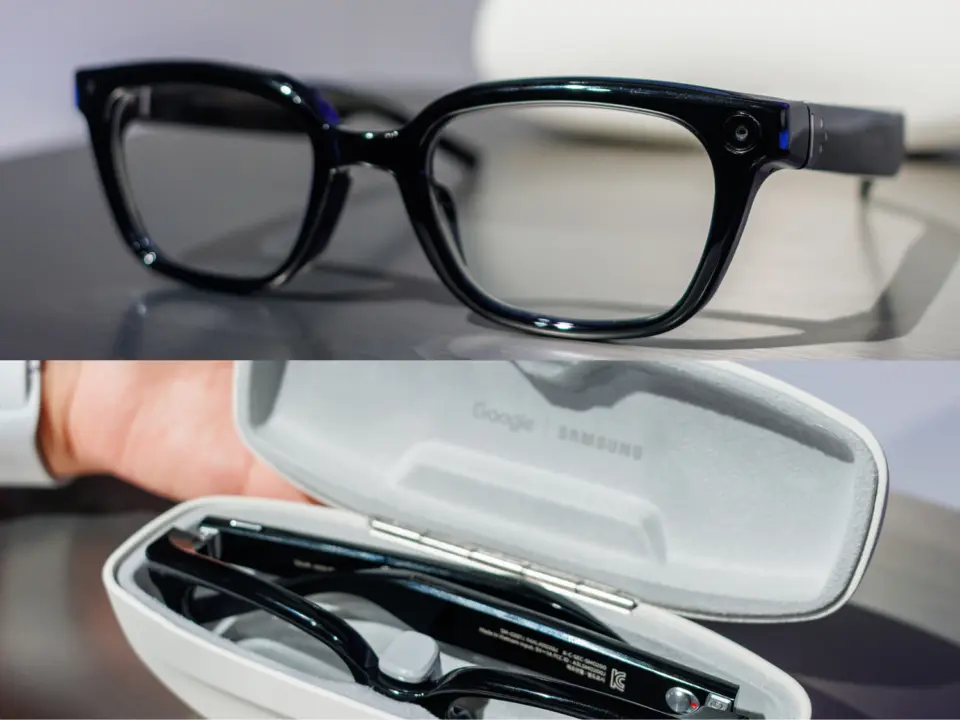
Samsung has officially launched the Galaxy Glasses, a new wearable that shifts the focus from visual overlays to audio and camera assistance. This device matters because it introduces a display-free approach to augmented reality, relying instead on natural conversation and visual capture for everyday tasks. Buyers interested in hands-free interaction without the bulk of traditional smart glasses should pay attention to this new form factor.
Audio and camera focus defines new wearable form factor
The Galaxy Glasses run on the Snapdragon AR1 Gen 1 platform and operate using Android XR. They pair exclusively with Samsung Galaxy smartphones, creating a closed ecosystem that limits compatibility to Samsung's own mobile devices. Google Gemini serves as the primary AI engine, handling audio assistance and interpreting visual data from the built-in camera.
Galaxy Glasses Specifications
- Platform: Snapdragon AR1 Gen 1
- OS: Android XR
- AI Engine: Google Gemini
- Battery Life: Up to 9 hours per charge
- Charging Case: Up to 7 additional full charges
The hardware design features no display, which distinguishes it from many competitors in the smart glasses market. Users interact through touch controls located on the frame, while gesture controls require the use of a Galaxy Watch 9. The device is available in two designer frame options: a slim black version from Gentle Monster and a tortoise brown version from Warby Parker.
Battery life is rated at up to 9 hours per charge, with the included charging case providing up to 7 additional full charges. Availability is currently limited to select markets, and pricing details remain unavailable at the time of writing. We've been tracking Galaxy Glasses closely — see our earlier coverage on Samsung Galaxy Glasses Leak Reveals AI-First.
The Galaxy Glasses represent Samsung's entry into AI-first wearable technology that prioritizes audio and camera functions over visual displays. The device relies on exclusive smartphone pairing and designer frame partnerships to establish its market presence. Consumers will need to wait for confirmed pricing and broader regional availability before making a purchase decision.
Source: NotebookCheck