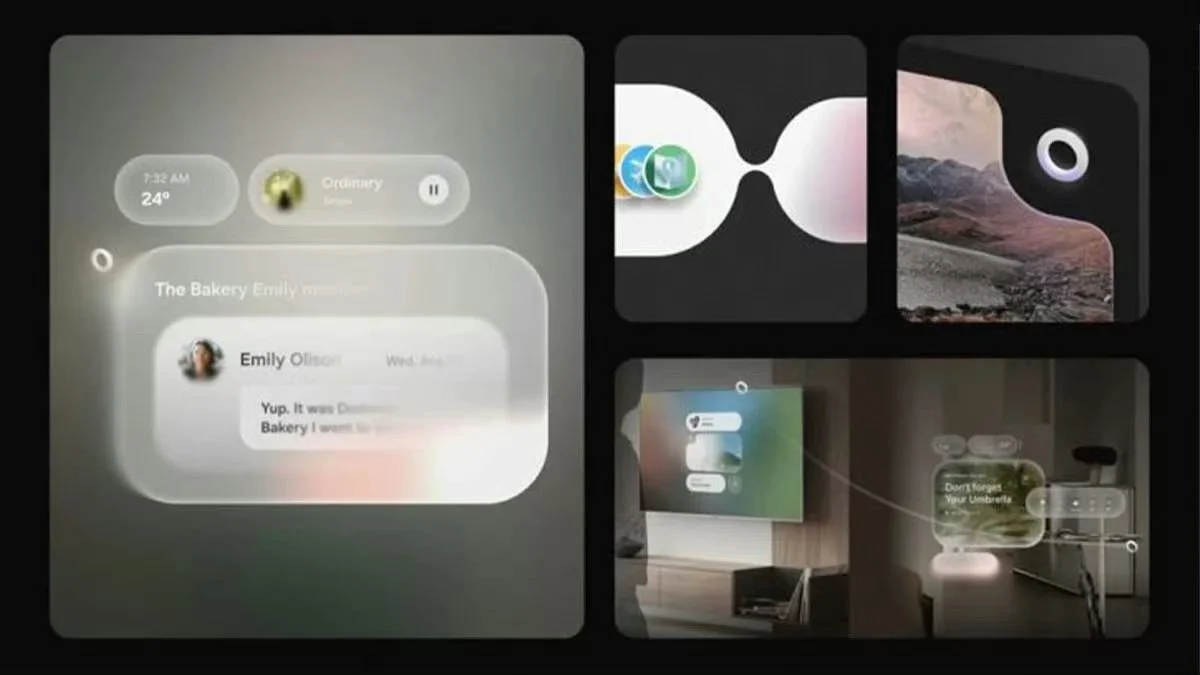
Samsung is shifting how it approaches mobile interface design by introducing a new generative philosophy called the Fluid AI Design System. This concept moves away from static layouts to create adaptive, floating elements that adjust to user behavior. The change matters because it signals a major pivot toward AI-driven personalization in future Samsung software updates. Buyers interested in next-generation One UI features should watch this development closely.
Generative interface concept wins Red Dot Design Award 2026
The Fluid AI Design System serves as a conceptual framework for Samsung's upcoming software ecosystem rather than a standalone product. It integrates data from calendars, routes, and contacts into unified views that anticipate user needs. This approach aligns with Samsung's broader Galaxy AI strategy to make interfaces more intuitive and responsive. The system replaces rigid app structures with flexible cards that can reconfigure based on context.
Key technical details include the use of generative design principles to replace traditional static interfaces. The system features floating elements that adapt to different screen sizes and usage scenarios. It aims to streamline access to information by merging disparate data points into a single cohesive view. These design choices prioritize flexibility and user-centric interaction over fixed menu structures.
The concept has already gained recognition by winning an award at the Red Dot Design Award 2026. This acknowledgment highlights the potential impact of the design philosophy on the broader software industry. However, the system remains a forward-looking vision rather than a downloadable update for current devices. There is no guarantee that this exact system will appear in future One UI versions, possibly One UI 10 or later.
Samsung's announcement underscores its commitment to integrating AI deeply into the user experience. The Fluid AI Design System represents a significant step toward more adaptive and intelligent mobile interfaces. While not yet available for download, it provides a clear direction for future software development. The focus on anticipatory design suggests a more personalized and efficient user environment ahead.
Source: Samsung, GIZMOCHINA