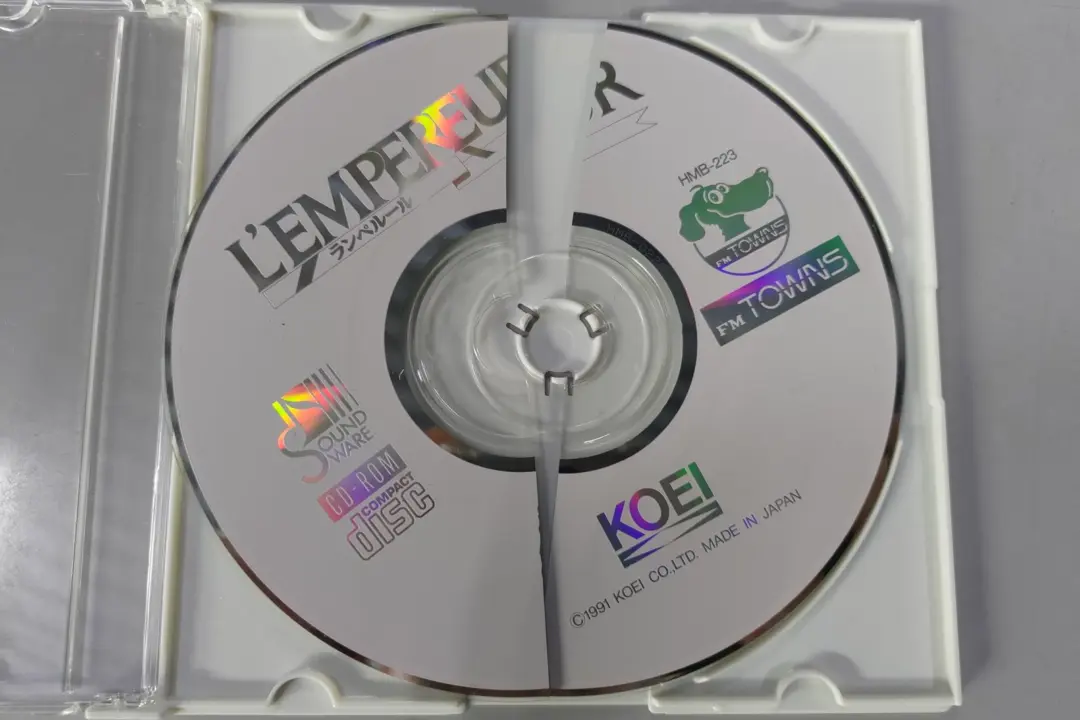
Retro gaming collectors are facing a new headache as physical media begins to fail in unexpected ways. Discs that sit quietly on shelves are cracking or shattering without any visible impact or handling damage. This phenomenon threatens the longevity of game libraries that rely on optical storage for preservation.
Physical media failure threatens retro game preservation efforts
The issue affects both CDs and DVDs, though the two formats show different levels of vulnerability. CDs are particularly at risk because they consist of a single polycarbonate layer that can degrade internally. DVDs feature two layers bonded with adhesive, which appears to offer slightly more structural resilience against this specific type of failure.
Experts suspect that chemical interactions within storage cases are the primary culprit. Ammonia-releasing polyurethane foam used in sealed cases may be breaking down the polycarbonate substrate over time. Cleaning solutions applied to discs could also contribute to the degradation, though the exact chemical mechanism remains under observation rather than controlled testing.
This physical failure adds to existing threats like bit rot and laser rot, which involve the degradation of reflective layers. These older issues typically affect data readability rather than causing the disc to physically break apart. The current wave of shattering discs represents a distinct mechanical failure mode that collectors must now monitor.
The practical takeaway for owners is simple: do not rely on a single copy of a game or data set for long-term preservation. Backing up disc-based content to digital formats or maintaining multiple physical copies is the only reliable way to ensure access. Collectors should inspect their storage cases and consider removing discs from potentially harmful foam padding.
Source: NotebookCheck