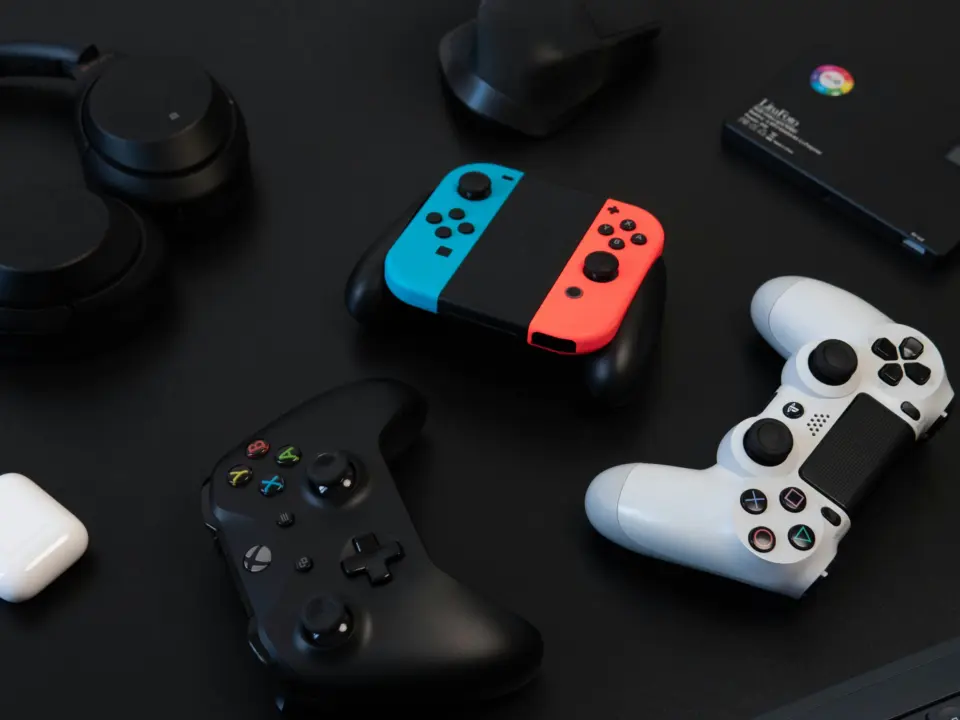
The gaming industry is shifting away from the relentless hardware arms race that defined previous console generations. Shigeru Miyamoto, the legendary creator behind the Mario franchise, recently explained that Nintendo sees a different path forward. This change matters to players because it suggests future games will prioritize design and longevity over raw processing power. Buyers can expect consoles that remain viable for many years rather than becoming obsolete quickly.
Miyamoto cites the eight to nine-year lifespan of the original Nintendo Switch as proof that this shift is already happening
Miyamoto highlighted the eight to nine-year lifespan of the original Nintendo Switch as proof that this shift is already happening. He noted that customers no longer care exclusively about technical specifications when choosing a platform. This observation challenges the traditional model where each new generation demands a complete hardware overhaul. The industry may soon see older devices continuing to support new releases for longer periods.
The core of Miyamoto's argument rests on the idea that game quality should drive success, not silicon performance. He stated that ideally, the industry would stop racing to sell new hardware. Instead, developers would focus on creating different games that naturally expand the market. This approach allows players to stick with their current devices while still accessing fresh content.
Community discussions on Reddit support this view by pointing to rising hardware costs. Users note that these costs force developers to optimize for existing hardware rather than relying on raw power. This economic pressure aligns with Miyamoto's vision of a sustainable console lifecycle. The focus moves from chasing benchmarks to refining gameplay experiences on current machines.
Source: NotebookCheck