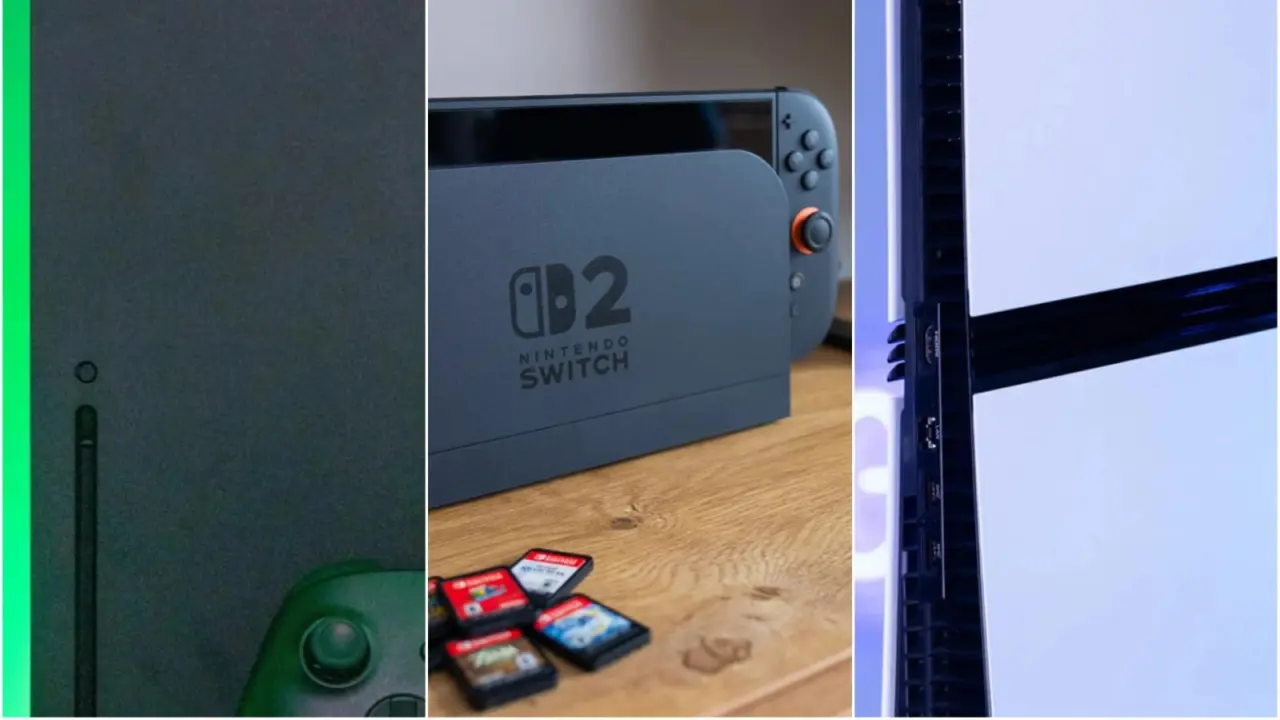
Shoppers in the United States are paying significantly more for gaming hardware while buying fewer units, a dual trend that is reshaping the console market in 2026. The average cost for a new Xbox has climbed to $529, while PlayStation buyers are spending an average of $597. This price surge coincides with the steepest sales declines in over a decade, signaling a tough environment for both consumers and manufacturers.
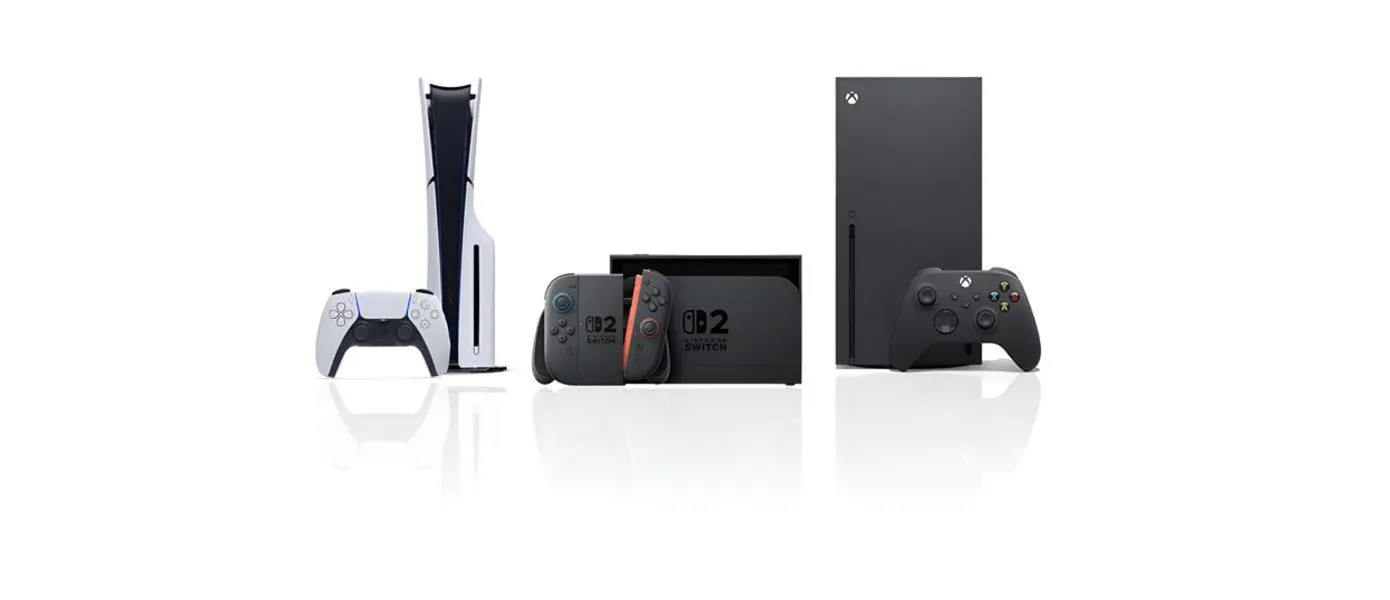
Nintendo Switch 2 leads market while rivals face steep volume drops
Microsoft and Sony are facing headwinds as their flagship consoles, the Xbox Series X|S and PlayStation 5, struggle to maintain momentum against rising costs. Nintendo, however, has captured the top spot in the US market for both units sold and revenue during August and year-to-date. The Nintendo Switch 2 is currently driving the sector, outperforming its rivals in a market where overall volume is shrinking.
The financial strain on buyers is evident in the steep price increases for legacy hardware. Xbox average prices jumped 26 percent to $529, while PlayStation averages rose 20 percent to $597. These figures mark a significant departure from previous years, as the industry navigates supply chain adjustments and shifting consumer demand in a post-launch cycle.
Volume metrics highlight the severity of the current downturn. Total US console sales dropped 15 percent in August 2026 to 559,000 units, marking the weakest August performance since 2013. Year-to-date figures are even more stark, with Xbox sales falling 33 percent to their lowest level ever recorded and PlayStation sales declining 25 percent to their lowest point since 2013.
Despite the drop in unit sales, PlayStation generated 17 percent more revenue in August due to the higher average selling price. This revenue growth stands in contrast to the broader market contraction, where only Nintendo managed to lead in both volume and income. The data from Circana and Mat Piscatella confirms that high prices are not currently driving sufficient volume to offset the decline in consumer spending.
Source: IXBT



Discussion
0 comments