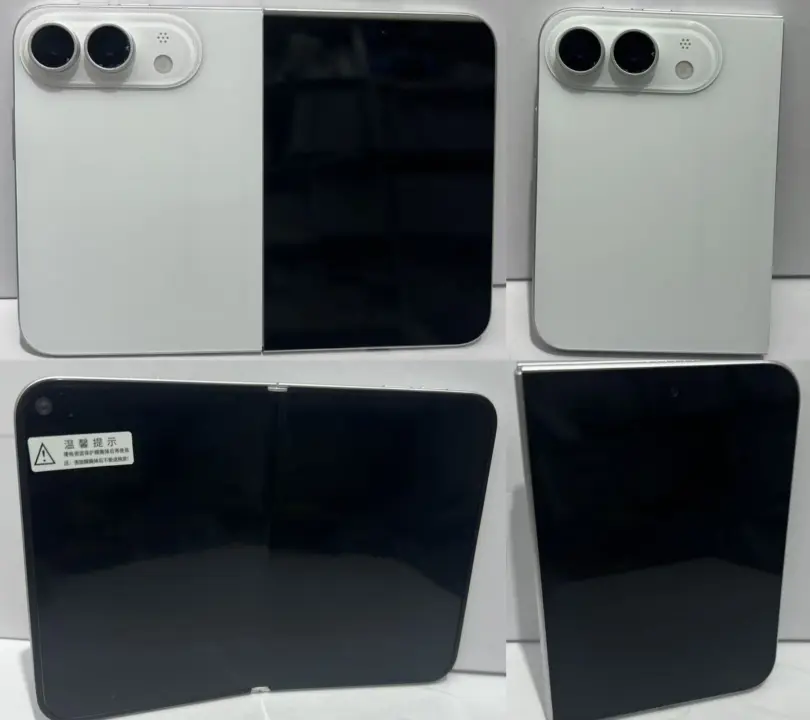
Apple is preparing to release its first foldable smartphone, the iPhone Ultra, which will carry a starting price of around $2,000. This high price point signals that early adopters will pay a significant premium for the new form factor. The device is expected to launch at an event on September 9, 2026, though actual shipping may not begin until October.
Apple's first foldable phone faces steep repair bills and higher AppleCare fees
The iPhone Ultra will run iOS 27, an operating system update that includes specific software features designed for foldable displays. This marks a shift in Apple's hardware strategy as it enters the foldable market alongside competitors like Samsung. The device represents a major departure from the company's traditional slab-style smartphones.
- Repair Cost (Inner Display): £850 / ~$1,155
- Repair Cost (Samsung Galaxy Z Fold 8): $579
- AppleCare+ Estimated Fee: ~£100
- Operating System: iOS 27
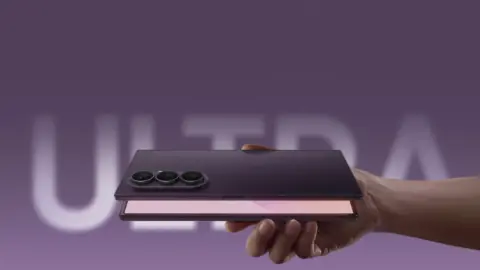
Repair costs for the iPhone Ultra are estimated to be significantly higher than those for competing foldable devices. Repair specialist Ricky Panesar estimates that replacing the inner folding display will cost roughly £850, or about $1,155. In comparison, the same repair on Samsung's Galaxy Z Fold 8 costs $579. This price difference suggests that screen damage could be particularly expensive for iPhone Ultra owners.
AppleCare+ coverage for the foldable device is also expected to involve higher costs for users. Panesar predicts that per-incident repair fees under AppleCare+ will be closer to £100, which is higher than the standard $29 fee for other Apple devices. Buyers should consider these potential repair costs when evaluating the total cost of ownership for the new foldable phone.
We have been tracking iPhone Ultra closely and published earlier coverage on Apple iPhone Ultra 2 Rumored to. The confirmed details regarding pricing and estimated repair costs provide a clearer picture of what to expect from the launch. The device will be available globally starting in October 2026.
Source: NotebookCheck

Discussion
0 comments