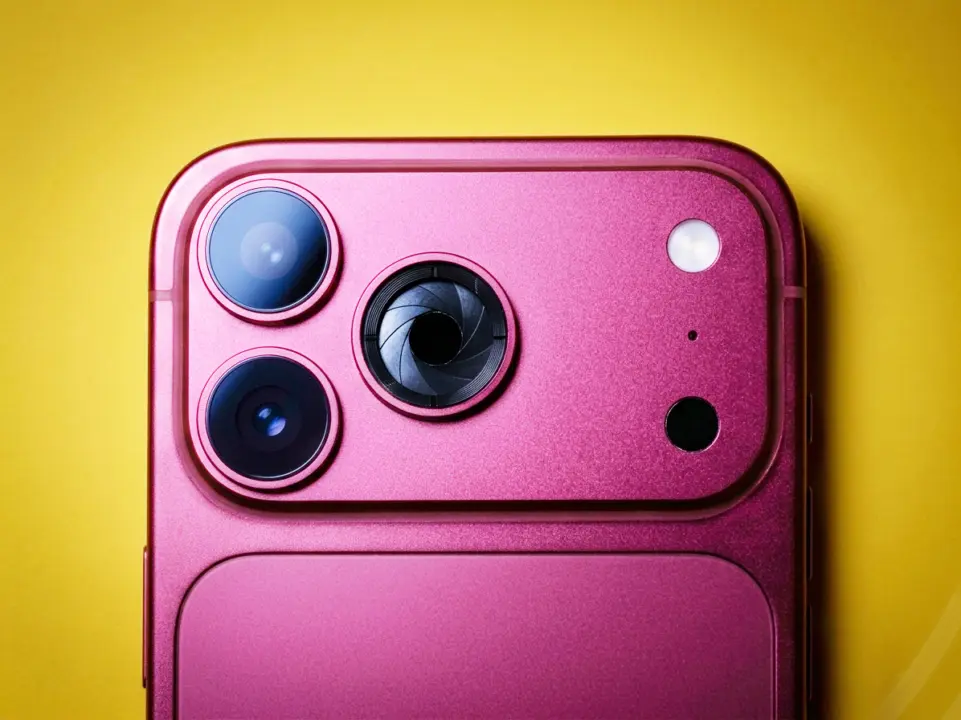
Apple is preparing to introduce a significant hardware upgrade for the iPhone 18 Pro series, centered on a new physically moving variable aperture camera lens. This change marks a departure from current fixed-aperture designs and represents a major shift in the company's imaging strategy. The move is expected to alter the device's internal architecture and supply chain dynamics.
Apple plans to absorb rising component costs for the new moving optics lens in its upcoming flagship devices.
The core of this upgrade involves a 48MP main camera that utilizes physically moving optics to adjust its aperture. Unlike traditional lenses, this new component allows for dynamic light control without relying solely on digital processing. Apple plans to integrate this lens with the upcoming A20 Pro chip, which features an enhanced Image Signal Processor (ISP) to maximize image quality improvements.
- Main Camera Resolution: 48MP
- Camera Aperture Type: Variable (physically moving optics)
- Component Cost Increase: ASP 50% higher than current high-end lens
- Supply Share: Sunny Optical securing 40-50% supply share
- Processor: A20 Pro chip with ISP
Supply chain analysis indicates that Sunny Optical will secure a substantial 40-50% share of these new moving optics components. The manufacturing complexity of these lenses drives up costs significantly; the Average Selling Price (ASP) for this new lens is estimated to be 50% higher than the high-end 7P primary camera lens currently used in the iPhone 17 Pro lineup.
Insiders suggest that Apple intends to absorb these increased component costs rather than passing them on to consumers through higher retail prices. This strategy aligns with a reported effort to protect market share by maintaining competitive pricing despite rising hardware expenses. The company has reportedly applied similar cost-absorption tactics for other expensive components, such as memory modules.
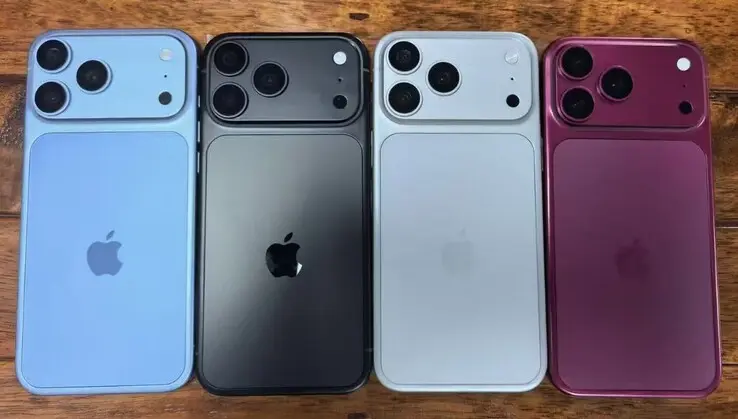
The iPhone 18 Pro and iPhone 18 Pro Max are expected to retain their triple 48MP camera setups while benefiting from the new variable aperture lens and ISP enhancements. Analysts suggest the introduction of physically moving optics may establish a new benchmark for mobile imaging capabilities in future devices. The devices are anticipated to launch as part of Apple's 2026 flagship lineup.
Source: NotebookCheck