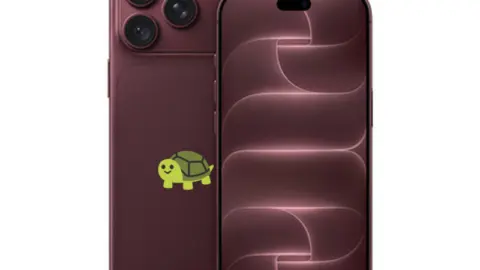
Apple is shifting the iPhone 17 Pro construction to an aerospace-grade aluminum unibody, a change that reduces weight while maintaining structural integrity. This design update targets users who prioritize portability and durability in a flagship device. This shift to an aerospace-grade aluminum unibody replaces previous titanium or stainless steel constructions, providing a lighter device for users who find current models too heavy.
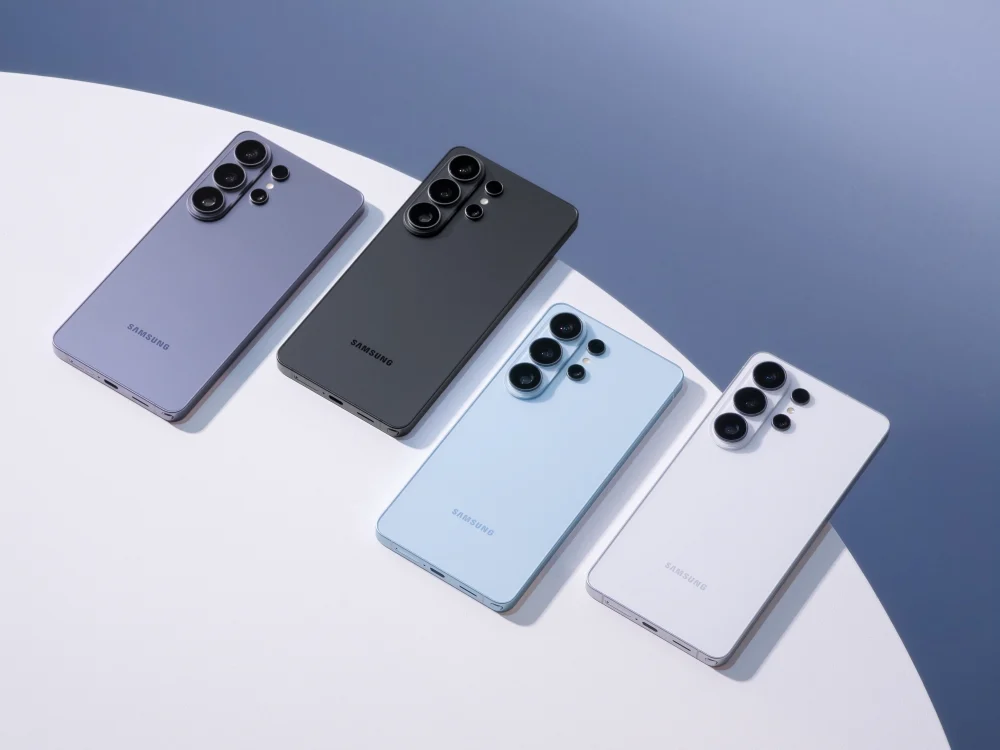
Comparing aluminum build and charging speeds against Samsung and OnePlus
The iPhone 17 Pro runs on the A19 Pro chip, which delivers reliable performance for standard computing tasks and mobile applications. Apple pairs this processor with a new 48MP telephoto lens, providing a practical upgrade for photography enthusiasts who need better zoom capabilities. These core components form the foundation of the device, ensuring it meets the performance expectations of high-end smartphone users.
Spec comparison
| Spec | iPhone 17 Pro | Samsung Galaxy S26 Ultra | OnePlus 15 |
|---|---|---|---|
| Processor | A19 Pro | Not specified | Snapdragon 8 Elite Gen 5 |
| Main Camera | 48MP telephoto | 200MP main sensor | 50MP main |
| Battery Capacity | Not specified | Not specified | 7,300mAh |
| Charging Speed | 40W | Not specified | 120W |
| Price | Around $1,000 | Not specified | $799 |
Charging capabilities for the iPhone 17 Pro remain capped at a 40W limit, which may disappoint users accustomed to faster speeds found in competitors. This constraint contrasts with devices like the OnePlus 15, which supports 120W wired charging for significantly quicker power replenishment. The iPhone 17 Pro supports a 40W charging limit, which may reflect a focus on battery longevity or thermal management rather than maximum charging speed.
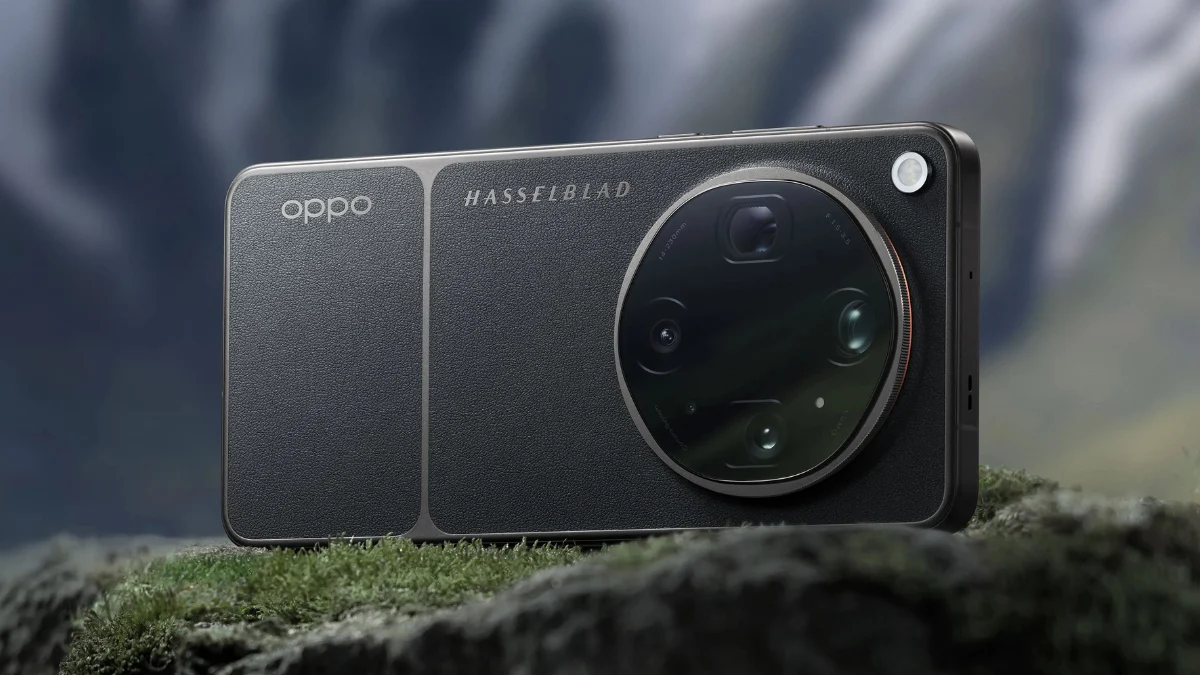
The iPhone 17 Pro sits in a competitive market where rivals offer distinct advantages in specific areas. Samsung provides a 7.9mm thin profile and a built-in Privacy Display for enhanced security. Oppo delivers a massive 7,050mAh battery with 100W charging, while Xiaomi features a 1-inch camera sensor for superior low-light photography. Vivo focuses on portrait photography with a specialized 200MP telephoto lens, and OnePlus undercuts the iPhone price at $799 with high-end specs.
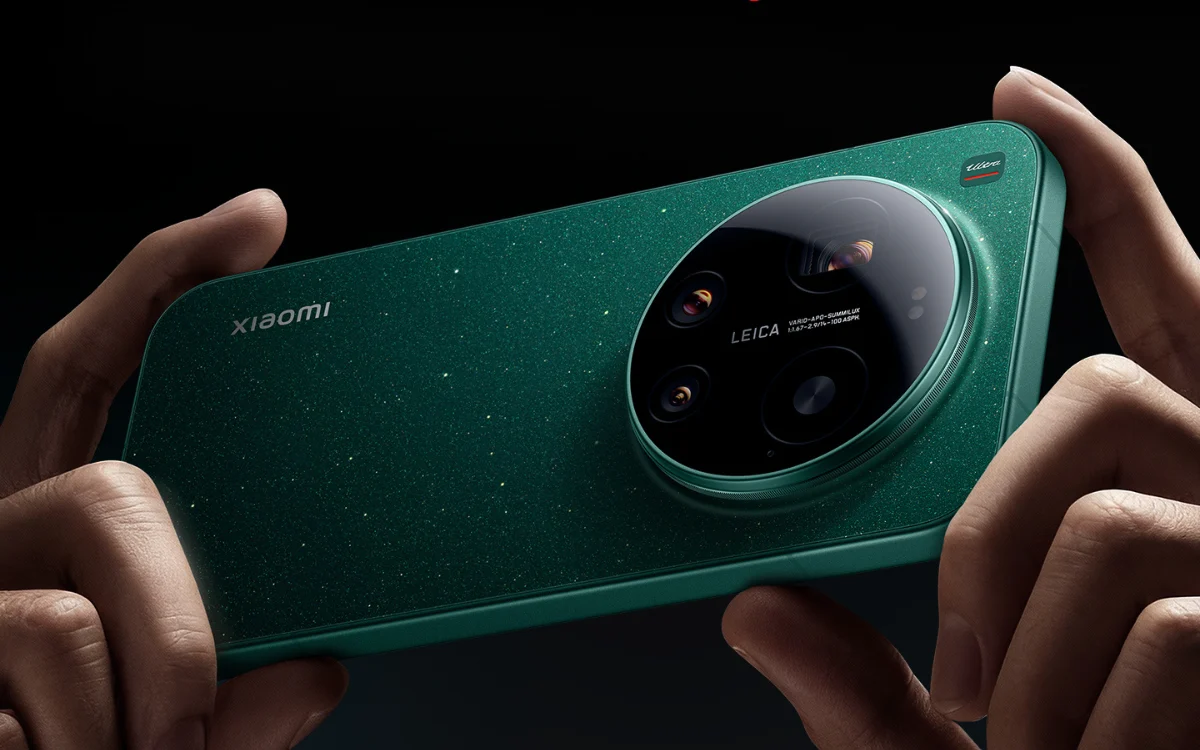
Consumers planning to spend around $1,000 on a new phone have multiple viable alternatives that offer higher charging speeds or larger batteries. The iPhone 17 Pro continues to be a viable choice for users who prioritize the Apple ecosystem and the benefits of its lighter aluminum construction. Buyers seeking the fastest charging or the most advanced camera sensors might find better value in the competing Android devices listed here.
Source: GIZMOCHINA